💙 BEYOND THE CLINIC: INTEGRATING AUTISM INTERVENTIONS AT HOME
🔬 WHAT THE RESEARCH SAYS
Recent studies highlight the effectiveness of interventions like Applied Behavior Analysis (ABA) and Early Start Denver Model (ESDM) in improving cognitive, language, social, and adaptive skills in children with Autism Spectrum Disorder (ASD). But what happens when the therapy session ends? Integrating these strategies into the home environment can significantly enhance their impact.
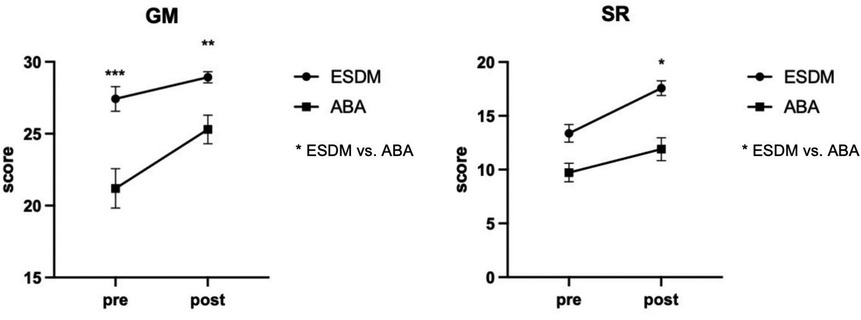
A 2025 study showed that both ABA and ESDM led to substantial gains across multiple developmental domains, with ABA particularly effective in adaptive behaviors and ESDM focusing on social communication. [1] https://www.frontiersin.org/jo....urnals/pediatrics/ar This suggests that consistent application of these principles at home can further reinforce these gains.
Furthermore, a 2024 meta-analysis indicates that the intensity and amount of intervention can be associated with greater effects, although high-intensity recommendations need more evidence. [4] https://jamanetwork.com/journa....ls/jamapediatrics/fu This doesn't necessarily mean longer clinic hours but emphasizes the importance of consistent, everyday interactions at home that align with therapeutic goals.
💡 KEY TAKEAWAYS
✅ Consistency is Key: Reinforce skills learned in therapy during daily routines.
✅ Home as a Learning Environment: Turn everyday activities into learning opportunities.
✅ Parent Involvement Matters: Active participation by parents enhances therapeutic outcomes.
🛠️ PRACTICAL TIPS
➡️ Embedding ABA Principles: Use positive reinforcement and clear instructions during mealtimes, playtime, and bedtime routines. For example, reward desired behaviors with praise or a small, healthy treat.
➡️ Implementing ESDM Strategies: Focus on creating engaging, play-based interactions that promote social communication. Follow your child's lead and build on their interests to encourage interaction and language development.
➡️ Creating a Supportive Environment: Establish a predictable and structured environment that minimizes sensory overload and promotes a sense of security. Use visual schedules to help your child understand daily routines.
➡️ Collaborative Approach: Work closely with therapists to understand the specific goals and strategies being used in therapy and how to implement them at home.
📖 READ MORE
🔗 https://www.cdc.gov/autism/treatment/index.html provides comprehensive information on evidence-based treatments for autism.
💬 How do you integrate therapeutic strategies into your home life? Share your tips and experiences!