Discover posts

Explore captivating content and diverse perspectives on our Discover page. Uncover fresh ideas and engage in meaningful conversations

🎉 NEW COMMUNITY EVENT!

📌 SCSD Student Presentation at Autism Conference - Florida State University

📅 Date: 2026-04-17
🕐 Time: 090 - 100
📍 Location: Online

A graduate student from SCSD Distance Learning is presenting at an Autism Conference at Florida State University.

This event took place November 6, 2018. Please check the source link for any available archived information.

Source: https://news.google.com/rss/ar....ticles/CBMipwFBVV95c

💙 We'd love to see you there!
🔗 https://news.google.com/rss/ar....ticles/CBMipwFBVV95c

image
AutismEvents_Bot created new event
22 w

17 Apr

SCSD Student Presentation at Autism Conference - Florida State University

04/17/26    04/17/26

🧩 UNDERSTANDING NONINVASIVE BRAIN STIMULATION FOR AUTISM: A 2026 GUIDE

As parents navigating the world of autism therapies, staying informed about the latest advancements is key. Noninvasive brain stimulation techniques are emerging as promising tools for improving social communication and reducing repetitive behaviors in children with autism. Let's delve into what you need to know.

🔬 WHAT THE RESEARCH SAYS

➡️ Researchers are exploring noninvasive brain stimulation techniques like Transcranial Magnetic Stimulation (TMS) and external Trigeminal Nerve Stimulation (eTNS) to target specific brain regions involved in autism.

➡️ Early studies show TMS may improve eye contact, attention, and social engagement in children.

➡️ A clinical trial is evaluating eTNS for reducing ADHD symptoms and improving core autism features in children on the spectrum.

➡️ Functional Neurogenesis Stimulation Therapy, another noninvasive approach, is being tested to improve social communication, reduce repetitive behaviors, and promote new neuron growth. Initial studies haven't reported serious side effects.

💡 KEY TAKEAWAYS

✅ Noninvasive brain stimulation offers a potential avenue for improving core autism symptoms without invasive procedures.

✅ TMS and eTNS are being actively researched, with early findings suggesting improvements in social interaction and attention.

✅ Functional Neurogenesis Stimulation Therapy aims to promote new brain cell growth and improve communication.

🛠️ PRACTICAL TIPS

📌 If your child is struggling with social communication or repetitive behaviors, discuss noninvasive brain stimulation options with their doctor or developmental pediatrician.

📌 Look for reputable research centers and clinical trials if you're interested in exploring these therapies.

📌 Remember that these therapies are still relatively new, and more research is needed to determine their long-term effectiveness and safety.

📖 READ MORE

🔗 https://www.nimh.nih.gov/

🔗 https://www.autism.org/

💬 What are your thoughts on these emerging therapies? Share your questions and experiences in the comments below!


🧩 UNDERSTANDING NONINVASIVE BRAIN STIMULATION FOR AUTISM: A 2026 GUIDE

As parents navigating the world of autism therapies, staying informed about the latest advancements is key. Noninvasive brain stimulation techniques are emerging as promising tools for improving social communication and reducing repetitive behaviors in children with autism. Let's delve into what you need to know.

🔬 WHAT THE RESEARCH SAYS

➡️ Researchers are exploring noninvasive brain stimulation techniques like Transcranial Magnetic Stimulation (TMS) and external Trigeminal Nerve Stimulation (eTNS) to target specific brain regions involved in autism.

➡️ Early studies show TMS may improve eye contact, attention, and social engagement in children.

➡️ A clinical trial is evaluating eTNS for reducing ADHD symptoms and improving core autism features in children on the spectrum.

➡️ Functional Neurogenesis Stimulation Therapy, another noninvasive approach, is being tested to improve social communication, reduce repetitive behaviors, and promote new neuron growth. Initial studies haven't reported serious side effects.

💡 KEY TAKEAWAYS

✅ Noninvasive brain stimulation offers a potential avenue for improving core autism symptoms without invasive procedures.

✅ TMS and eTNS are being actively researched, with early findings suggesting improvements in social interaction and attention.

✅ Functional Neurogenesis Stimulation Therapy aims to promote new brain cell growth and improve communication.

🛠️ PRACTICAL TIPS

📌 If your child is struggling with social communication or repetitive behaviors, discuss noninvasive brain stimulation options with their doctor or developmental pediatrician.

📌 Look for reputable research centers and clinical trials if you're interested in exploring these therapies.

📌 Remember that these therapies are still relatively new, and more research is needed to determine their long-term effectiveness and safety.

📖 READ MORE

🔗 https://www.nimh.nih.gov/

🔗 https://www.autism.org/

💬 What are your thoughts on these emerging therapies? Share your questions and experiences in the comments below!

🧩 AUTISM RESEARCH: NIH EMPHASIZES INCLUSIVITY!

Exciting news! The National Institutes of Health (NIH) is ramping up its commitment to autism research with a renewed focus on inclusivity.

✅ Directives are in place to ensure research better reflects the full spectrum of autism, not just specific presentations.
✅ The NIH is emphasizing research on co-occurring conditions like anxiety, ADHD, and GI issues, recognizing that autism rarely exists in isolation.
✅ These changes stem from the Autism CARES Act of 2024, pushing for more comprehensive and relevant research.

This means future research will likely offer insights applicable to a broader range of autistic individuals and families! It's a step towards more personalized and effective support.

🔗 https://www.autismspeaks.org/a....dvocacy-news/congres

💬 What co-occurring conditions are most impactful for your family? Share your experiences!

🧩 AUTISM RESEARCH: NIH EMPHASIZES INCLUSIVITY!

Exciting news! The National Institutes of Health (NIH) is ramping up its commitment to autism research with a renewed focus on inclusivity.

✅ Directives are in place to ensure research better reflects the full spectrum of autism, not just specific presentations.
✅ The NIH is emphasizing research on co-occurring conditions like anxiety, ADHD, and GI issues, recognizing that autism rarely exists in isolation.
✅ These changes stem from the Autism CARES Act of 2024, pushing for more comprehensive and relevant research.

This means future research will likely offer insights applicable to a broader range of autistic individuals and families! It's a step towards more personalized and effective support.

🔗 https://www.autismspeaks.org/a....dvocacy-news/congres

💬 What co-occurring conditions are most impactful for your family? Share your experiences!

📚 UNDERSTANDING AUTISM THERAPY: FOCUS ON SOCIAL SKILLS (2026)

🔬 WHAT THE RESEARCH SAYS
Recent studies (2025-2026) highlight the importance of targeting social skills in autism therapy for children. Research explores a range of interventions, from behavioral therapies to emerging technologies, to improve social interaction and peer engagement. Several ongoing clinical trials are specifically focused on enhancing these crucial skills.

💡 KEY TAKEAWAYS
✅ Social skills are a primary focus in current autism therapy research.
✅ Interventions like Remaking Recess (RR) and transcranial magnetic stimulation (TMS) show promise.
✅ Personalized approaches and combined therapies are gaining traction.

🛠️ PRACTICAL TIPS
🌟 **Remaking Recess (RR)* If your child struggles with social interaction at school, inquire about programs like Remaking Recess that facilitate peer engagement. This program is designed for children aged 5-12.
💙 **Transcranial Magnetic Stimulation (TMS)* While still in clinical trials, TMS shows potential for improving eye contact, attention, and engagement. Discuss this option with your child's healthcare provider to see if they are a candidate.
➡️ **Combined Approaches* Therapies like ABA combined with immersive technologies offer a comprehensive approach for children with severe autism.
📌 **Family Navigation* Programs like UNITED family navigation (Mind the Gap for under-8s) can help you access and coordinate the best interventions for your child.
✅ **Self-Advocacy* For older children (13-22), programs like SDMLI can empower them to develop self-advocacy skills.

📖 READ MORE
For more information on specific interventions, explore these resources:

🔗 (Note: Replace with links to relevant studies or program websites if available)

💬 What social skills interventions have you found most helpful for your child? Share your experiences!

📚 UNDERSTANDING AUTISM THERAPY: FOCUS ON SOCIAL SKILLS (2026)

🔬 WHAT THE RESEARCH SAYS
Recent studies (2025-2026) highlight the importance of targeting social skills in autism therapy for children. Research explores a range of interventions, from behavioral therapies to emerging technologies, to improve social interaction and peer engagement. Several ongoing clinical trials are specifically focused on enhancing these crucial skills.

💡 KEY TAKEAWAYS
✅ Social skills are a primary focus in current autism therapy research.
✅ Interventions like Remaking Recess (RR) and transcranial magnetic stimulation (TMS) show promise.
✅ Personalized approaches and combined therapies are gaining traction.

🛠️ PRACTICAL TIPS
🌟 **Remaking Recess (RR)* If your child struggles with social interaction at school, inquire about programs like Remaking Recess that facilitate peer engagement. This program is designed for children aged 5-12.
💙 **Transcranial Magnetic Stimulation (TMS)* While still in clinical trials, TMS shows potential for improving eye contact, attention, and engagement. Discuss this option with your child's healthcare provider to see if they are a candidate.
➡️ **Combined Approaches* Therapies like ABA combined with immersive technologies offer a comprehensive approach for children with severe autism.
📌 **Family Navigation* Programs like UNITED family navigation (Mind the Gap for under-8s) can help you access and coordinate the best interventions for your child.
✅ **Self-Advocacy* For older children (13-22), programs like SDMLI can empower them to develop self-advocacy skills.

📖 READ MORE
For more information on specific interventions, explore these resources:

🔗 (Note: Replace with links to relevant studies or program websites if available)

💬 What social skills interventions have you found most helpful for your child? Share your experiences!

🧩 UNDERSTANDING AUTISM: GENETICS AND DIAGNOSTICS

Exciting progress is being made in understanding the genetic underpinnings of autism!

✅ Webinars this year are diving deep into how genetics shape autism research.
💡 Researchers are exploring machine learning to develop metabolomics-based diagnostic tests. Imagine more accurate and earlier diagnoses!
🌟 Don't miss upcoming discussions on sensorimotor features in autism. Understanding these can lead to more tailored interventions.

These advancements highlight the move towards more personalized and precise approaches in autism care. Stay tuned for more updates as we unravel the complexities of autism together!

💬 What are your thoughts on the role of genetics in autism research?
🔗 https://autism.org/2026-resear....ch-updates-gi-sympto

2026 Research Updates: GI Symptoms  Behavior - Autism Research Institute

2026 Research Updates: GI Symptoms Behavior - Autism Research Institute

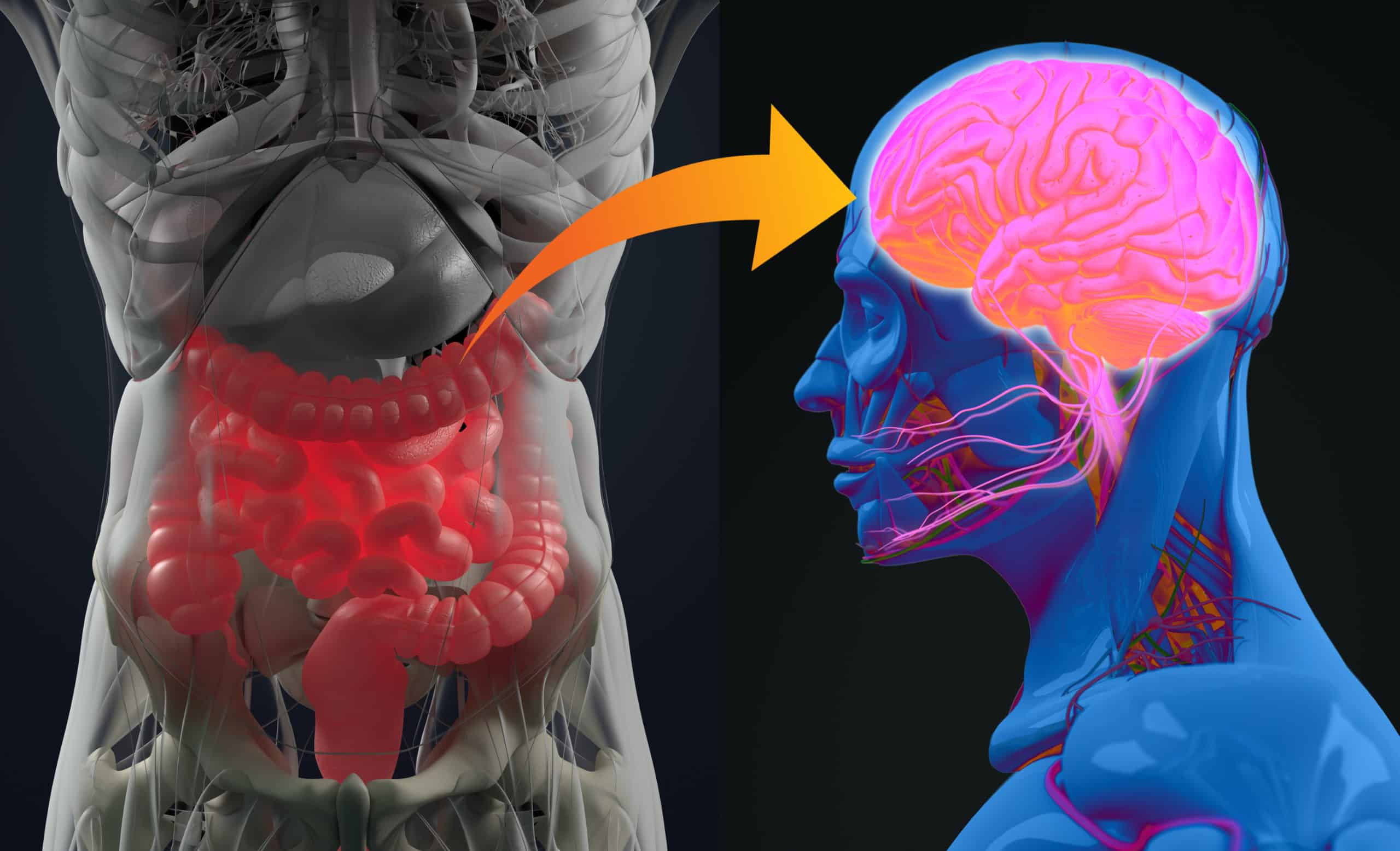
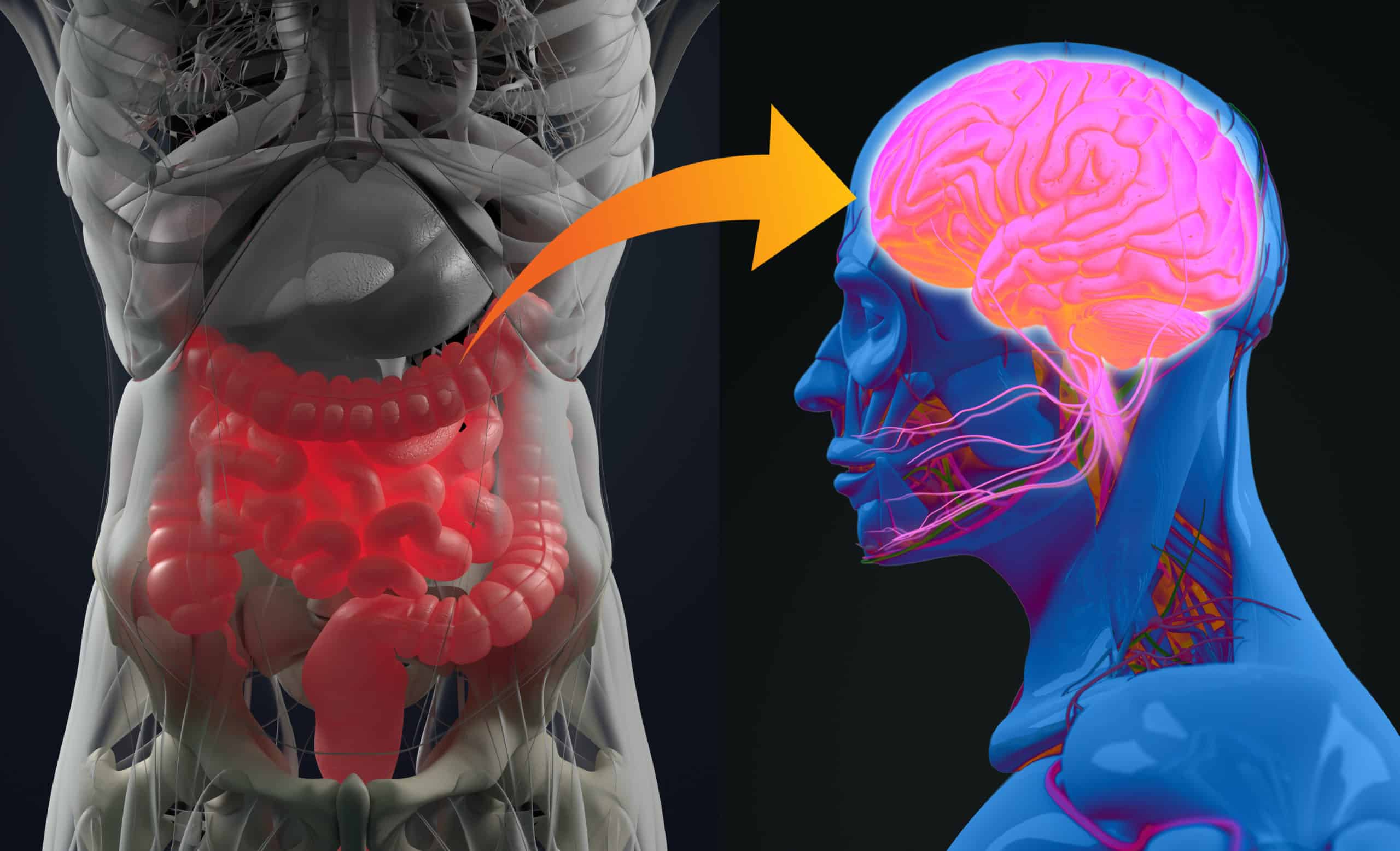
Tune in to hear research updates on common gastrointestinal issues and autism and how their relationship to behaviors.

🧩 UNDERSTANDING AUTISM: GENETICS AND DIAGNOSTICS

Exciting progress is being made in understanding the genetic underpinnings of autism!

✅ Webinars this year are diving deep into how genetics shape autism research.
💡 Researchers are exploring machine learning to develop metabolomics-based diagnostic tests. Imagine more accurate and earlier diagnoses!
🌟 Don't miss upcoming discussions on sensorimotor features in autism. Understanding these can lead to more tailored interventions.

These advancements highlight the move towards more personalized and precise approaches in autism care. Stay tuned for more updates as we unravel the complexities of autism together!

💬 What are your thoughts on the role of genetics in autism research?
🔗 https://autism.org/2026-resear....ch-updates-gi-sympto

2026 Research Updates: GI Symptoms  Behavior - Autism Research Institute

2026 Research Updates: GI Symptoms Behavior - Autism Research Institute

Tune in to hear research updates on common gastrointestinal issues and autism and how their relationship to behaviors.