
New Study: How ABA and ESDM Therapy Impact Kids with Autism Over 6 Months
As parents of children with autism, we're always looking for information about what therapies work best. A new study published in Frontiers in Pediatrics (2025) investigated how two common therapies, Applied Behavior Analysis (ABA) and the Early Start Denver Model (ESDM), affected children with autism over a six-month period.
What the Researchers Studied
Researchers wanted to see how kids with autism changed after receiving either ABA therapy or ESDM intervention for six months. They looked at several things, including:
- Adaptive behavior: This refers to everyday skills like communication, social skills, and self-care.
- Autism symptoms: They assessed the severity of autism traits.
- Language skills: They looked at expressive (speaking) and receptive (understanding) language.
What They Found
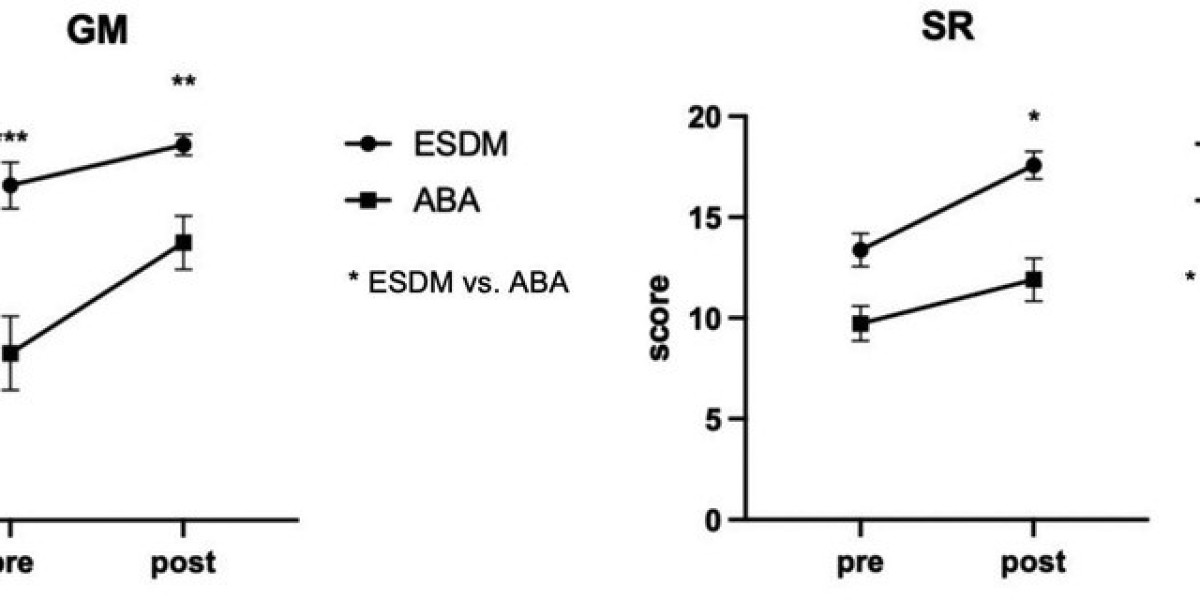
The study found that both ABA and ESDM interventions led to improvements in adaptive behavior and autism symptoms after six months. This means that children in both groups showed progress in their daily living skills and a reduction in the severity of their autism traits. The researchers also found improvements in language skills in both groups.
Why This Matters for Autism Families
This study is encouraging because it suggests that both ABA and ESDM can be effective therapies for children with autism. It reinforces the importance of early intervention and provides further evidence that these therapies can help children develop important skills and reduce the impact of autism symptoms.
Practical Implications
- Therapy Decisions: This study might help inform conversations with your child's therapists and doctors about the best therapy options. Both ABA and ESDM appear to be beneficial, so the choice might depend on your child's individual needs and preferences, as well as what's available in your area.
- Setting Expectations: Knowing that improvements can be seen in adaptive behavior, autism symptoms, and language skills within six months can help families set realistic goals and track progress during therapy.
- Advocating for Services: This research can be used to advocate for increased access to ABA and ESDM therapies in schools and communities.
Important Caveats
It's important to remember that this is just one study, and more research is always needed. Here are a few things to keep in mind:
- Study Size: The study likely had a limited number of participants. Larger studies are needed to confirm these findings.
- Study Duration: Six months is a relatively short period. We don't know how these children will continue to progress over longer periods.
- Individual Variation: Every child is different, and what works for one child may not work for another.
The Bottom Line
This new study provides further evidence that ABA and ESDM therapies can be effective interventions for children with autism. While more research is needed, the findings are encouraging and can help inform therapy decisions and set realistic expectations for progress. Talk to your child's doctor or therapist to determine the best course of action for your family.
You can read the original research paper here: Longitudinal changes in children with autism spectrum disorder following six months of ABA therapy or ESDM intervention
Read the study: Frontiers in Pediatrics