
New Study: How ABA and ESDM Therapies Impact Autism Development Over Six Months
As parents of children with autism, we're always looking for information about effective therapies and interventions. A new study published in Frontiers in Pediatrics (2025) investigated how two common therapies, Applied Behavior Analysis (ABA) and the Early Start Denver Model (ESDM), impact children with autism over a six-month period. Let's break down what the researchers did, what they found, and what it might mean for your family.
What the Researchers Studied
Researchers wanted to understand how children with autism changed over a six-month period while receiving either ABA therapy or ESDM intervention. They looked at a group of children recently diagnosed with autism and tracked their development in several areas, including:
- Adaptive behavior: Skills needed for daily living, like dressing, eating, and social interaction.
- Language skills: Both understanding and using language.
- Social communication: How well children interact and communicate with others socially.
The children in the study received consistent ABA or ESDM therapy for six months, and the researchers measured their progress at the beginning and end of that period.
What the Researchers Found
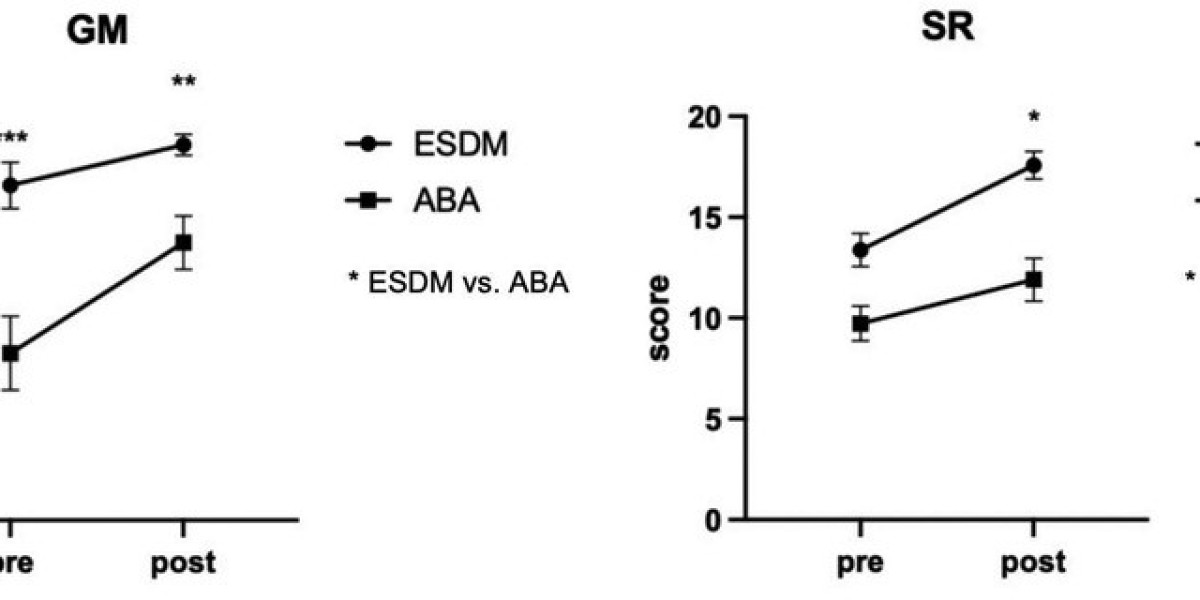
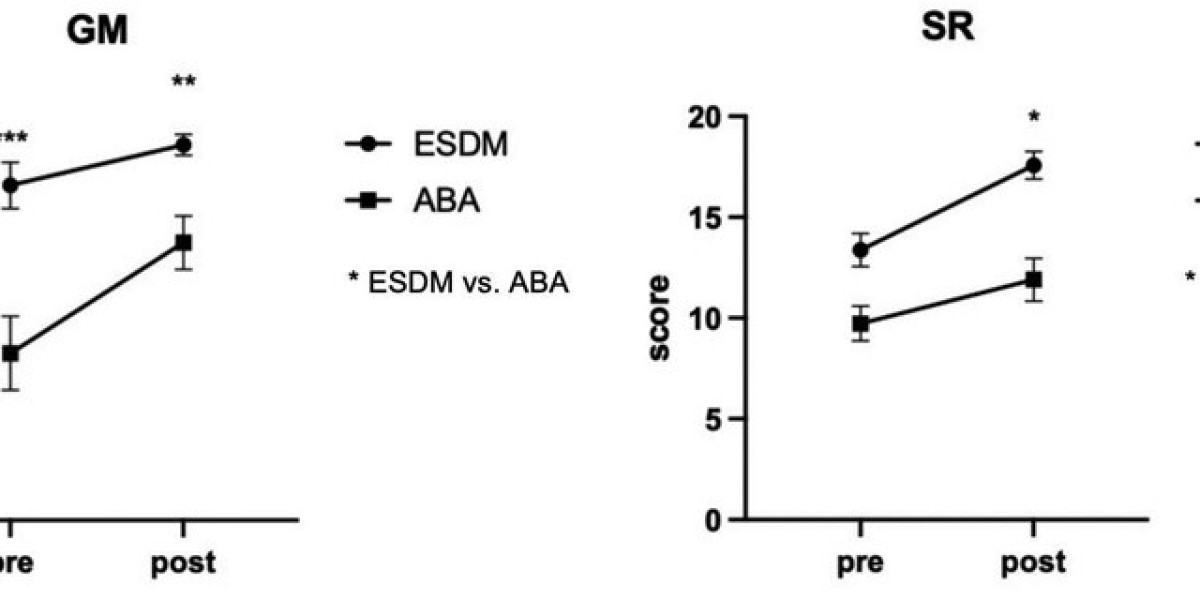
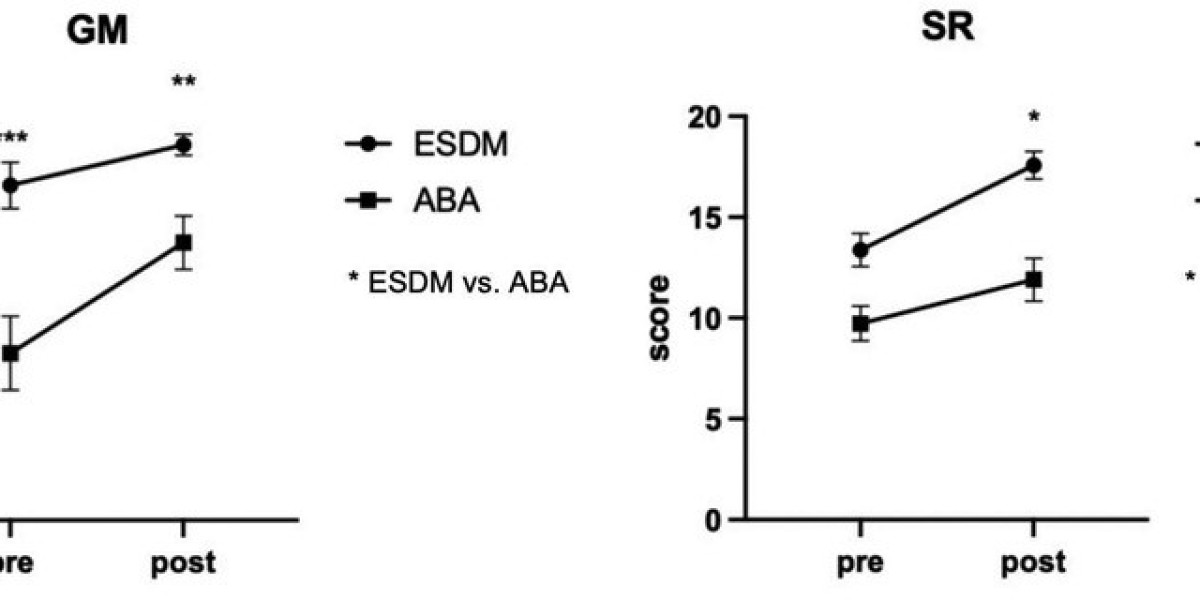
The study found that both ABA and ESDM interventions led to improvements in adaptive behavior, language skills, and social communication skills over the six-month period. In other words, children in both groups showed positive progress in these key areas. While both groups improved, the study didn't find significant differences in the *amount* of improvement between the ABA and ESDM groups.
Why This Finding Matters for Autism Families
This study supports what many parents and professionals already know: that early intervention is crucial for children with autism. The fact that both ABA and ESDM were associated with positive changes is encouraging. This suggests that both approaches can be valuable tools in supporting a child's development.
Practical Implications
Here are some potential practical implications for therapy, school, and daily life:
- Therapy Decisions: This study reinforces the importance of considering both ABA and ESDM as potential therapy options. It highlights the need to work with therapists to determine the best fit for your child's individual needs and learning style.
- Individualized Approach: Remember that every child is different. While this study shows positive trends, the best approach is always one that is tailored to your child's specific strengths and challenges.
- Continued Monitoring: Regular monitoring of your child's progress is essential, regardless of the therapy approach. This allows you and your therapists to make adjustments as needed.
Important Considerations and Limitations
It's important to keep in mind that this is just one study, and like all research, it has limitations. For example, the study may have involved a relatively small number of participants. Also, six months is a relatively short period, and longer-term studies are needed to understand the sustained effects of these therapies. More research is needed to understand which factors might make one therapy more effective than another for specific children.
Don't make any drastic changes to your child's therapy based solely on this one study. Always consult with your child's therapists and doctors to make informed decisions.
Want to Learn More?
You can read the full research paper here: Longitudinal changes in children with autism spectrum disorder following six months of ABA therapy or ESDM intervention
Read the study: Frontiers in Pediatrics