
New Study: How ABA and ESDM Therapies Impact Kids with Autism Over Time
As parents of children with autism, we're always looking for information about what therapies work best and how they can help our kids thrive. A new study published in Frontiers in Pediatrics (2025) sheds some light on the long-term impact of two common interventions: Applied Behavior Analysis (ABA) and the Early Start Denver Model (ESDM).
What the Researchers Studied
Researchers wanted to understand how children with autism change over time when receiving either ABA or ESDM therapy. They followed a group of children diagnosed with autism for several years, tracking their progress in areas like communication, social skills, and adaptive behavior (things like self-care and daily living skills). The study specifically compared children receiving ABA therapy to those receiving ESDM therapy. The goal was to see if one therapy led to significantly different outcomes over the long haul.
What They Found (In Plain Language)
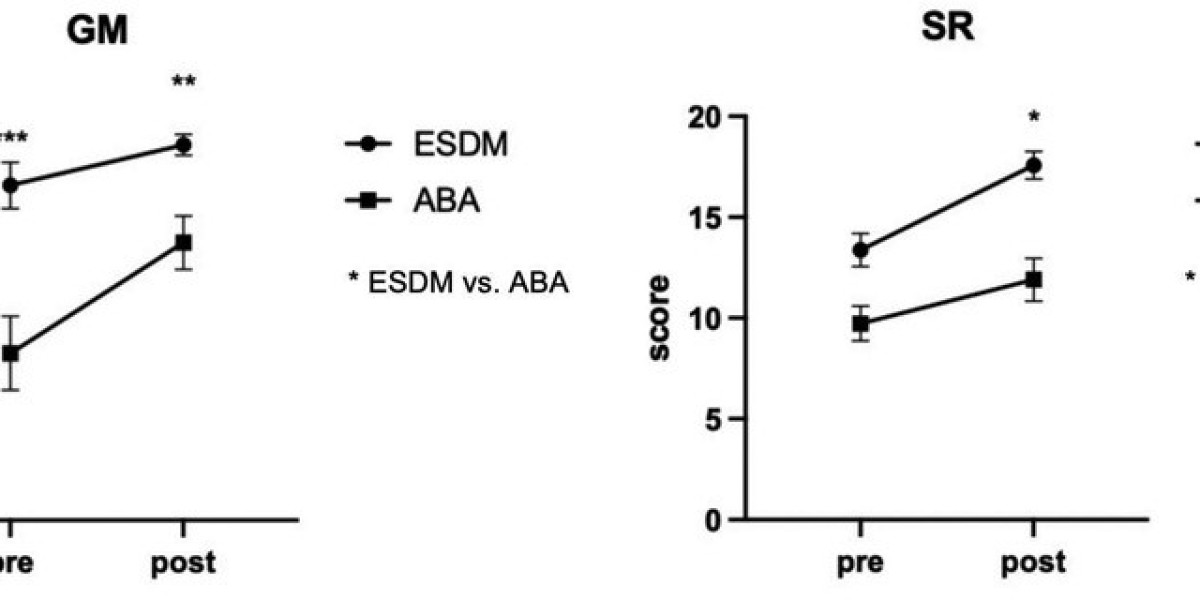
The study found that both ABA and ESDM therapies were associated with positive changes in children with autism over time. This means that, on average, kids in both groups showed improvements in their communication, social skills, and adaptive behaviors. Importantly, the study did not find a significant difference in outcomes between the two groups. In other words, children receiving ABA and those receiving ESDM showed similar levels of progress across the areas measured.
Why This Matters for Autism Families
This research is important because it suggests that both ABA and ESDM can be effective interventions for children with autism. It reinforces the idea that there isn't necessarily one "best" therapy for everyone. The choice between ABA and ESDM, or a combination of both, can be made based on your child's individual needs, your family's preferences, and the availability of qualified therapists in your area.
Practical Implications
- Therapy Decisions: This study can help inform your decisions about therapy. Knowing that both ABA and ESDM can be effective, you can work with your child's therapists and doctors to determine which approach aligns best with your child's learning style and your family's values.
- School Planning: The skills learned in both ABA and ESDM can translate to the school environment. Improved communication and social skills can help your child interact more effectively with teachers and peers.
- Daily Life: Improvements in adaptive behavior, which both therapies aim to improve, can make daily life easier for your child and your family. This could include things like getting dressed independently, following routines, or managing mealtimes.
Important Considerations
It's important to remember that this is just one study, and more research is always needed. Also, the sample size in the study may have been relatively small, which can limit the generalizability of the findings. Every child with autism is unique, and what works for one child may not work for another. It's crucial to work closely with qualified professionals to develop an individualized treatment plan for your child.
Want to Learn More?
You can read the original research paper here: Longitudinal changes in children with autism spectrum disorder following ABA therapy or ESDM intervention
Read the study: Frontiers in Pediatrics