
New Study: How ABA and ESDM Therapy Impact Autistic Children Over Six Months
As parents of autistic children, we're always looking for information about what therapies might help our kids thrive. A new study published in Frontiers in Pediatrics (2025) investigated how two common therapies, Applied Behavior Analysis (ABA) and Early Start Denver Model (ESDM), affected autistic children over a six-month period. Let's break down what the researchers did and what they found.
What the Researchers Studied
Researchers wanted to see how autistic children's skills and behaviors changed after receiving either ABA therapy or ESDM intervention for six months. They looked at a group of children and measured different things like:
- Communication skills: How well they could express themselves and understand others.
- Social interaction: How they interacted with other people.
- Adaptive behavior: Skills needed for daily living, like dressing or feeding themselves.
- Autism symptoms: The severity of their autism traits.
The children in the study were divided into two groups: one received ABA therapy, and the other received ESDM intervention. The researchers then compared the changes in these areas between the two groups after six months.
What the Researchers Found
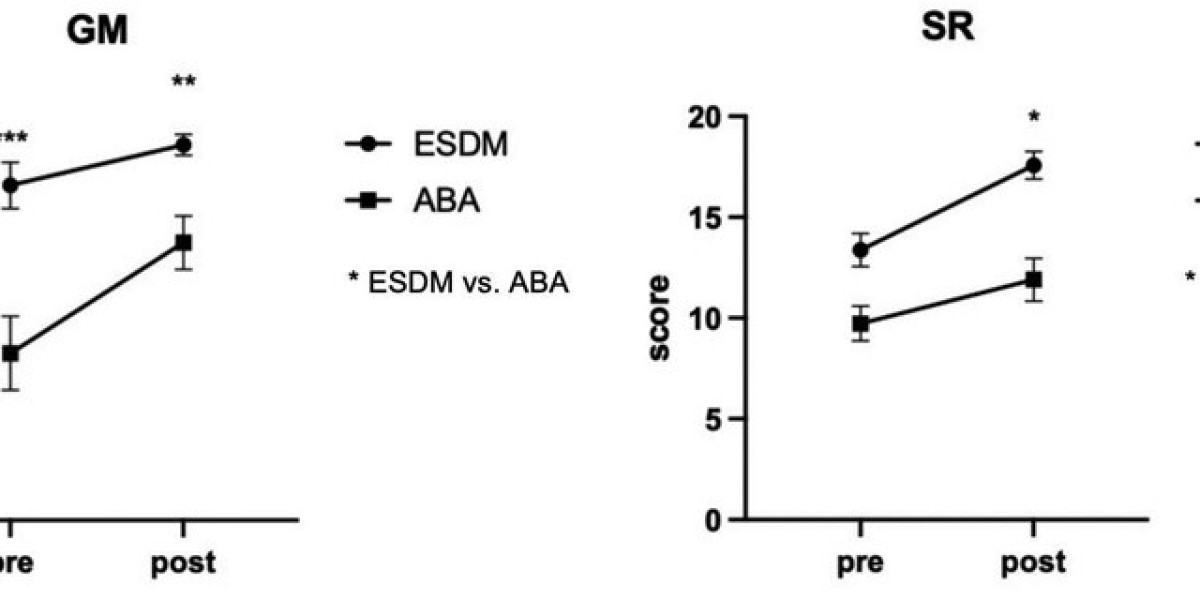
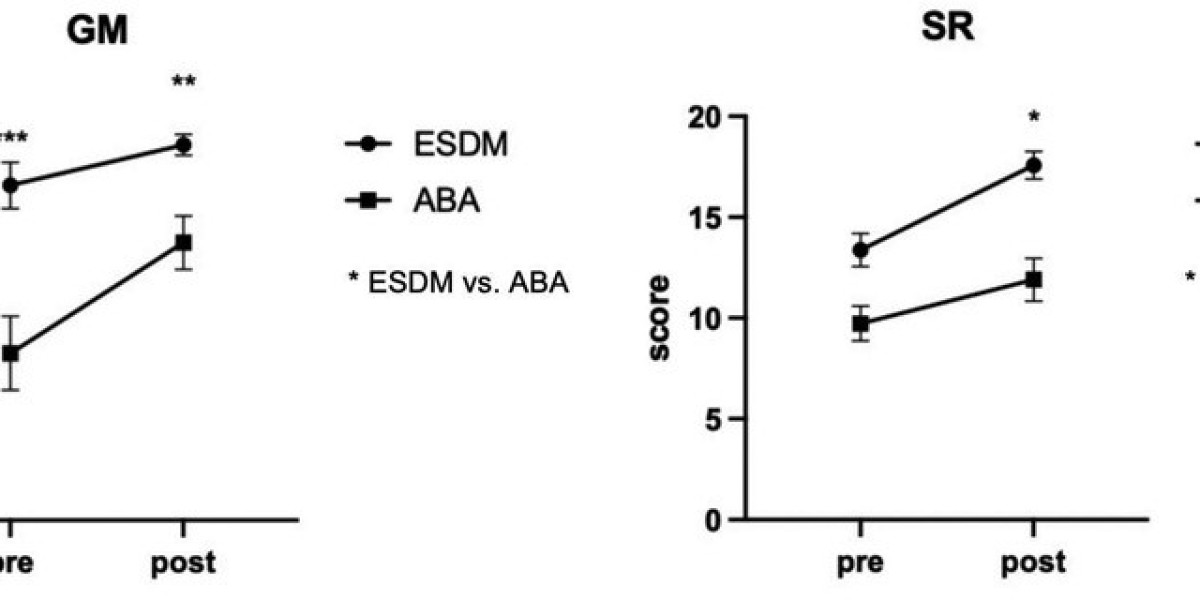
The study found that, on average, both ABA and ESDM interventions were associated with improvements in several areas:
- Both groups showed gains in communication and social interaction skills.
- Both groups demonstrated improvements in adaptive behaviors.
Importantly, the study did not find significant differences in outcomes between the ABA and ESDM groups. This suggests that both therapies can be effective in supporting autistic children's development.
Why This Matters for Autism Families
This study is encouraging because it provides more evidence that early intervention can make a real difference in the lives of autistic children. Knowing that both ABA and ESDM can lead to positive changes can help families feel more confident in their therapy choices.
Practical Implications
- Therapy Decisions: This research supports the idea that both ABA and ESDM can be valuable options. The "best" therapy often depends on your child's individual needs, your family's values, and the availability of qualified therapists. Talk to your doctor and other professionals to determine the right fit for your child.
- School Support: The improvements seen in communication, social interaction, and adaptive behavior highlight the importance of incorporating these skills into your child's Individualized Education Program (IEP). Discuss with your child's school team how to support these areas in the classroom.
- Daily Life: Focus on creating opportunities for your child to practice their communication, social, and daily living skills at home and in the community. This could involve role-playing social situations, practicing self-care routines, or engaging in activities that promote communication.
Important Considerations
It's important to remember that this is just one study, and like all research, it has limitations:
- Sample Size: The study involved a limited number of children, so the results may not apply to all autistic children.
- Short Timeframe: Six months is a relatively short period, and the long-term effects of these therapies need further investigation.
- Individual Variation: Every autistic child is different, and their response to therapy will vary.
More research is always needed to understand the nuances of different therapies and how they can be best tailored to individual needs. This study provides a valuable piece of the puzzle, but it's not the whole picture.
Want to Learn More?
You can read the full research paper here: https://www.frontiersin.org/journals/pediatrics/articles/10.3389/fped.2025.1546001/full
Read the study: Frontiers in Pediatrics