
New Study Explores Long-Term Impact of ABA and ESDM on Autistic Children
As parents of autistic children, we're always looking for information about what therapies work best and what we can expect for our kids in the long run. A new study published in Frontiers in Pediatrics (2025) looked at just that, comparing the long-term effects of two common interventions: Applied Behavior Analysis (ABA) and the Early Start Denver Model (ESDM).
What the Researchers Studied
Researchers wanted to understand how autistic children's development changes over time when they receive either ABA therapy or ESDM intervention. They followed a group of children diagnosed with autism spectrum disorder for several years, tracking their progress in areas like communication, social skills, and adaptive behavior (things like daily living skills).
Specifically, the study compared children receiving ABA (a structured therapy focused on teaching specific skills through reinforcement) with those receiving ESDM (a play-based therapy that integrates developmental principles into natural routines and activities). The researchers measured how these children changed over the course of the study.
What the Study Found
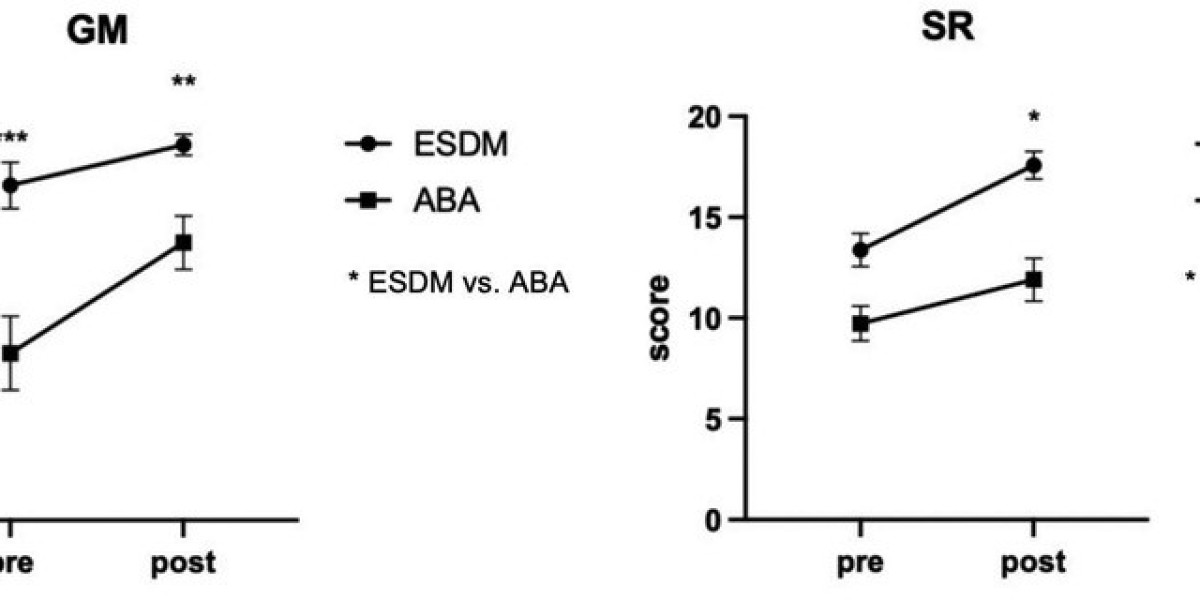
The study found that, on average, both ABA and ESDM were associated with improvements in children's development over time. Children in both groups showed gains in communication and social skills. The researchers also looked to see if one therapy was better than the other, but the results were not conclusive. Both groups improved, and the study didn't find strong evidence that one intervention led to significantly better outcomes than the other across all areas measured.
Why This Matters for Autism Families
This research is important because it provides more information about the potential long-term benefits of ABA and ESDM. It suggests that both interventions can be helpful in supporting autistic children's development. For parents, this can be reassuring, as it highlights that there are multiple paths to supporting your child's growth.
Practical Implications
What does this mean for your child's therapy, school, or daily life? Here are a few takeaways:
- Therapy Decisions: This study reinforces the idea that both ABA and ESDM can be effective interventions. When choosing a therapy, consider your child's individual needs, learning style, and what feels like a good fit for your family.
- Individualized Approach: Remember that every child is different. What works well for one child may not work as well for another. Work closely with therapists and educators to tailor interventions to your child's specific strengths and challenges.
- Continued Support: The study highlights the importance of ongoing support and intervention. Development is a continuous process, and consistent support can help your child continue to make progress.
Limitations of the Study
It's important to remember that this is just one study, and like all research, it has limitations. For example, the sample size might have been relatively small, which can make it harder to draw definitive conclusions. Also, this is an early study from 2025, so the findings should be interpreted with caution until replicated by other research. More research is always needed to confirm these findings and explore other factors that may influence outcomes.
Important Note: This blog post is for informational purposes only and should not be considered medical advice. Always consult with qualified professionals for personalized guidance regarding your child's care.
You can read the original research paper here: Frontiers in Pediatrics - Longitudinal changes in children with autism spectrum disorder following ABA therapy or ESDM intervention
Read the study: Frontiers in Pediatrics