
New Study: How ABA and ESDM Therapies Impact Kids with Autism Over Time
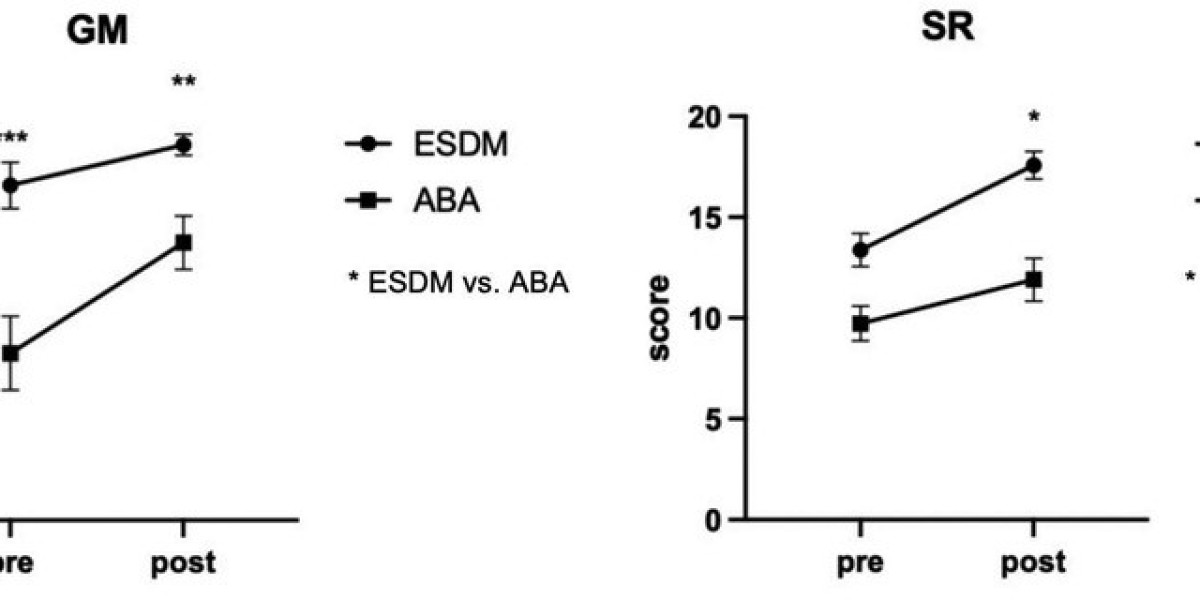
As parents of children with autism, we're always looking for information about what therapies work best and what we can expect for our kids in the long run. A new study published in Frontiers in Pediatrics (2025) sheds some light on this, comparing the progress of children receiving either Applied Behavior Analysis (ABA) or the Early Start Denver Model (ESDM) over several years.
What the Researchers Studied
Researchers wanted to understand how children with autism changed over time after receiving either ABA or ESDM. They followed a group of kids who started one of these therapies and tracked their development in areas like communication, social skills, and adaptive behavior (things like self-care and daily living skills) over a few years.
What They Found (In Plain Language)
The study found that both ABA and ESDM were associated with positive changes in children with autism over time. That's the good news! Specifically, kids in both groups showed improvements in their communication and social skills. The researchers also noted that the amount of progress each child made varied, and some children showed more improvement than others, regardless of which therapy they received.
Why This Matters for Autism Families
This study is important because it gives us more information about what to expect from these therapies in the long term. Knowing that both ABA and ESDM can lead to improvements in key areas can help parents feel more confident in their therapy choices. It also reinforces the idea that early intervention is crucial.
Practical Implications for Therapy, School, and Daily Life
Here's how this study might impact your decisions:
- Therapy: This research supports the use of both ABA and ESDM as effective interventions. If you're choosing a therapy, discuss the pros and cons of each with your child's therapists and consider your child's individual needs and learning style.
- School: Understanding that both therapies can improve communication and social skills can help you advocate for appropriate supports and accommodations for your child in the classroom.
- Daily Life: The improvements seen in adaptive behavior suggest that these therapies can help kids become more independent in their daily routines, which can ease the burden on families.
Important Considerations (Limitations of the Study)
It's important to remember that this is just one study, and like all research, it has limitations. For example, the study likely had a limited number of participants, and more research with larger groups of children is needed to confirm these findings. Also, the study doesn't tell us why some children improved more than others. Factors like the child's age at the start of therapy, the intensity of the therapy, and individual differences in learning styles could all play a role. We also don't know if one therapy is definitively "better" than the other for all children.
The Bottom Line
This study provides encouraging evidence that both ABA and ESDM can lead to positive changes for children with autism over time. While more research is always needed, this information can help parents make informed decisions about their child's therapy and support their development.
You can read the original research paper here: Longitudinal changes in children with autism spectrum disorder following ABA therapy or ESDM intervention
Read the study: Frontiers in Pediatrics