
New Study: How ABA and ESDM Therapies Impact Kids with Autism Over Time
Navigating the world of autism therapies can feel overwhelming. As parents, we all want to know what works and what to expect. A new study published in Frontiers in Pediatrics (2025) offers some insights into the long-term effects of two popular interventions: Applied Behavior Analysis (ABA) and the Early Start Denver Model (ESDM).
What the Researchers Studied
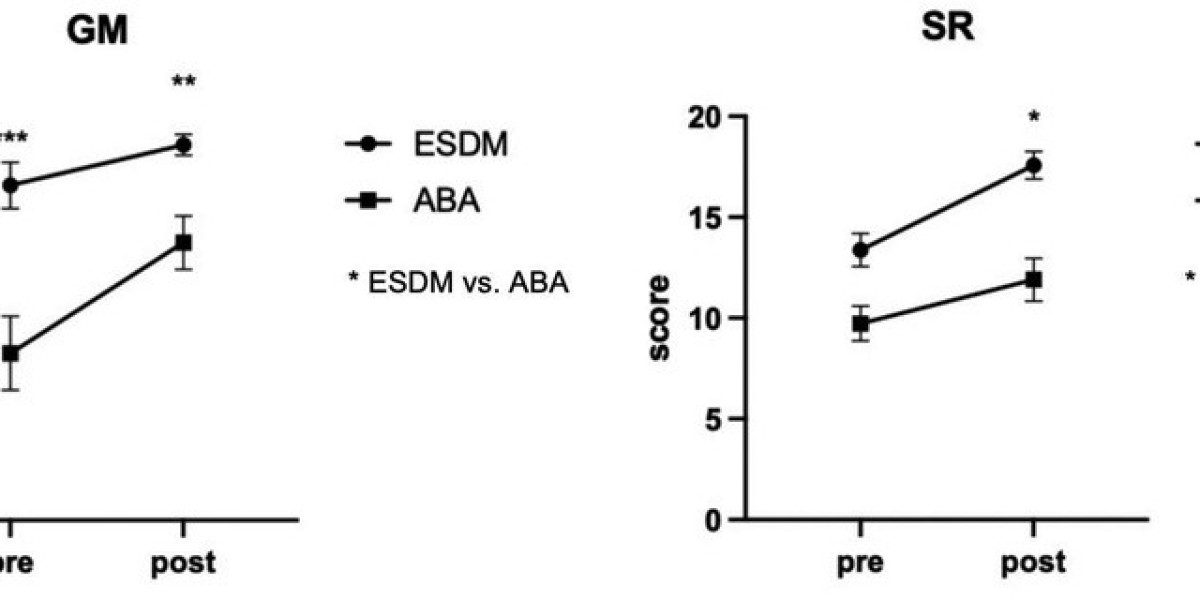
Researchers wanted to understand how children with autism changed over time after receiving either ABA or ESDM therapy. They followed a group of young children diagnosed with autism for several years, tracking their progress in areas like communication, social skills, and adaptive behavior (things like daily living skills). The study compared the developmental trajectories of children receiving ABA to those receiving ESDM.
What They Found (In Plain Language)
The study found that both ABA and ESDM were associated with positive changes in children's development over time. Specifically, children in both groups showed improvements in communication and social skills. The researchers also observed that the amount of therapy hours seemed to correlate with the degree of improvement. While both therapies led to progress, the study did *not* find one therapy to be significantly better than the other overall.
Why This Matters for Autism Families
This research is encouraging because it suggests that both ABA and ESDM can be effective interventions for children with autism. It reinforces the idea that early intervention is crucial and that consistent therapy can lead to meaningful improvements in key developmental areas. The fact that both approaches showed similar positive outcomes may also empower parents to choose the therapy that best fits their child's individual needs and family values.
Practical Implications for Therapy, School, and Daily Life
- Therapy Decisions: This study can help inform conversations with your child's therapists and doctors. It highlights the potential benefits of both ABA and ESDM, allowing you to make a more informed decision about which approach to pursue.
- Setting Expectations: Understanding that both therapies can lead to positive changes over time can help you set realistic expectations for your child's progress.
- Advocating for Services: This research can be used to advocate for access to quality ABA and ESDM services in your community and schools.
Important Limitations to Keep in Mind
It's important to remember that this is just one study, and like all research, it has limitations. The study likely involved a specific group of children, and the results may not be generalizable to all individuals with autism. The sample size may also be considered relatively small. More research is needed to confirm these findings and to explore the long-term effects of these therapies in more detail. Also, this study doesn't account for the individual therapists and the quality of implementation, which can significantly impact outcomes.
Want to Learn More?
You can read the full research paper here: https://www.frontiersin.org/journals/pediatrics/articles/10.3389/fped.2025.1546001/full
Read the study: Frontiers in Pediatrics