
New Study: How ABA and ESDM Therapies Impact Kids with Autism Over Time
Navigating the world of autism therapies can feel overwhelming. As parents, we all want to know what works and how different approaches can help our children thrive. A new study published in Frontiers in Pediatrics (2025) offers some insights into the long-term effects of two popular interventions: Applied Behavior Analysis (ABA) and the Early Start Denver Model (ESDM).
What the Researchers Did
Researchers followed a group of young children diagnosed with autism spectrum disorder (ASD) over several years. Some children received ABA therapy, while others received ESDM intervention. The researchers wanted to see how the children's skills and behaviors changed over time with each therapy. They looked at things like communication skills, social interaction, and adaptive behaviors (like daily living skills).
What They Found (In Plain Language!)
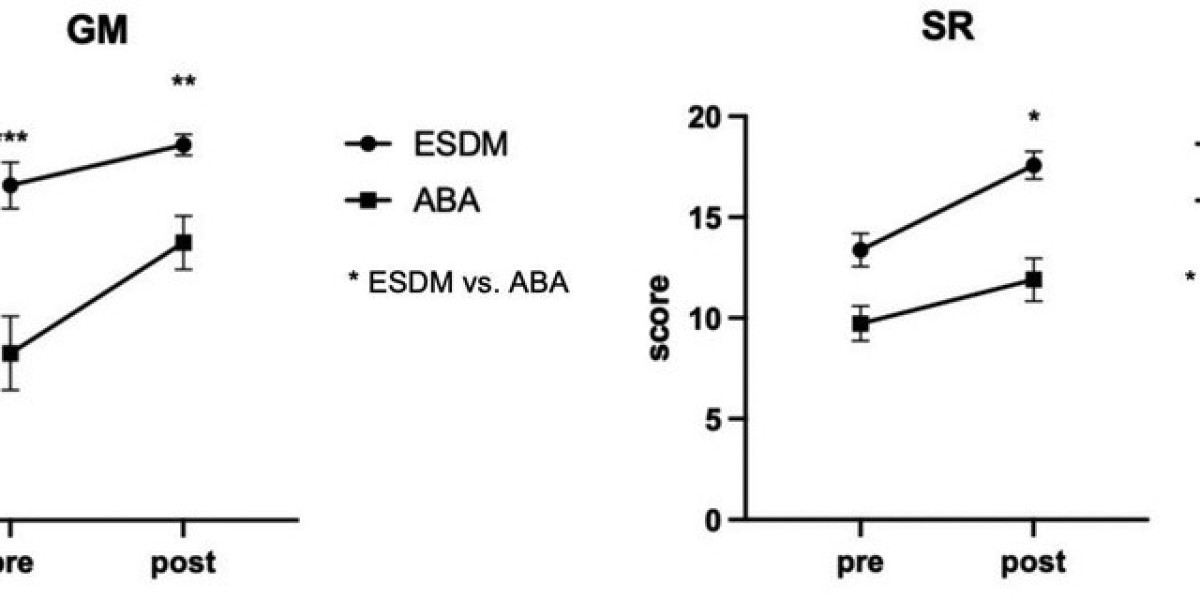
The study found that both ABA and ESDM were associated with positive changes in children's development over the long term. Specifically, children in both groups showed improvements in their communication skills and adaptive behaviors. While the study didn't directly compare the two therapies head-to-head to declare one "better" than the other, it did suggest that both can be effective tools for supporting children with autism. The researchers noted that the amount of progress varied from child to child, highlighting the importance of individualizing therapy plans.
Why This Matters for Autism Families
This study reinforces the idea that early intervention is crucial for children with autism. It provides more evidence that both ABA and ESDM can be valuable options for supporting your child's development. Knowing that both approaches have been shown to lead to positive outcomes can help you feel more confident when making decisions about your child's care.
Practical Implications
- Therapy: This study can help guide conversations with your child's therapists. You can discuss the specific goals of ABA or ESDM therapy and how they align with your child's individual needs.
- School: Understanding the potential benefits of these therapies can help you advocate for appropriate support and services for your child in the school setting.
- Daily Life: The improvements in adaptive behaviors observed in the study highlight the importance of incorporating skills training into daily routines at home. This could involve practicing communication skills during mealtimes or working on daily living skills like getting dressed.
Important Considerations
It's important to remember that this is just one study, and like all research, it has limitations. For example, the sample size may have been relatively small, and the study focused on specific types of ABA and ESDM interventions. More research is always needed to confirm these findings and explore the nuances of different therapeutic approaches. Also, every child is different, and what works for one child may not work for another. It's crucial to work closely with qualified professionals to develop an individualized treatment plan that meets your child's unique needs.
Want to Learn More?
You can read the full research paper here: Longitudinal changes in children with autism spectrum disorder following ABA therapy or ESDM intervention
Read the study: Frontiers in Pediatrics