
ABA vs. ESDM: New Research on Long-Term Outcomes for Autistic Children
Choosing the right therapy for your autistic child can feel overwhelming. There are so many options, and it's hard to know what will work best. A new study published in Frontiers in Pediatrics (2025) offers some potentially helpful information by looking at how children changed over time after receiving either Applied Behavior Analysis (ABA) or the Early Start Denver Model (ESDM).
What the Researchers Studied
Researchers wanted to see how autistic children developed after receiving either ABA or ESDM therapy. They followed a group of children over several years, regularly assessing their skills in areas like communication, social interaction, and daily living. The study compared the progress of children in each therapy group to see if there were noticeable differences in their development over time.
What They Found (In Plain Language)
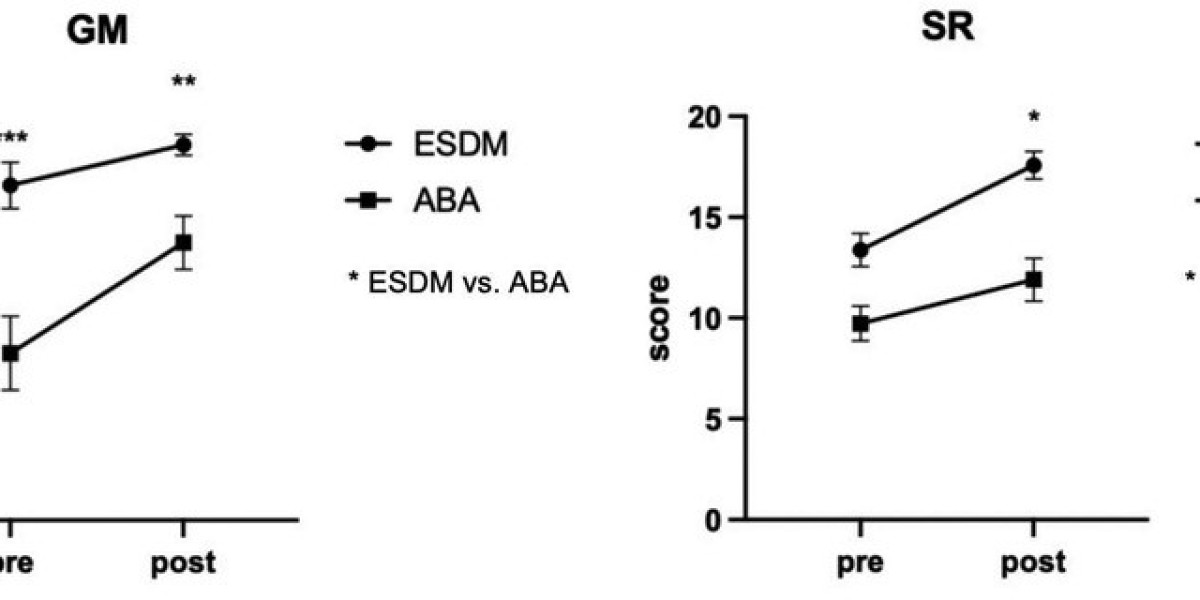
The study found that both ABA and ESDM were associated with positive changes in the children's development. Children in both groups showed improvements in their communication and social skills over the course of the study. While the study suggested some subtle differences in the *rate* of progress in certain areas between the two groups, the researchers emphasized that both therapies can be effective. It is important to note that this study did *not* find that one therapy was definitively "better" than the other across all measures.
Why This Matters for Autism Families
This research is encouraging because it reinforces that early intervention can make a real difference in the lives of autistic children. It also suggests that both ABA and ESDM can be valuable tools. This can empower parents to choose the therapy that best fits their child's individual needs and their family's values and resources.
Practical Implications
- Therapy Decisions: Talk to your child's doctor or developmental pediatrician about both ABA and ESDM. Consider your child's strengths, needs, and preferences when making a decision.
- School Planning: Understanding the potential benefits of both therapies can help you advocate for appropriate support and services in your child's school.
- Daily Life: The skills learned in both ABA and ESDM can be applied to everyday situations, helping your child navigate social interactions, communicate effectively, and develop independence.
Important Limitations
It's important to remember that this is just one study. The sample size was relatively small, which means the results might not apply to all autistic children. More research is needed to confirm these findings and to explore which factors might make one therapy more effective than the other for specific individuals. Also, remember that every child is unique, and what works for one child may not work for another.
Disclaimer: This blog post is for informational purposes only and should not be considered medical advice. Always consult with qualified healthcare professionals for personalized guidance.
Want to Learn More?
You can read the full research paper here: Longitudinal changes in children with autism spectrum disorder following ABA therapy or ESDM intervention
Read the study: Frontiers in Pediatrics