
New Study: How Do ABA and ESDM Therapies Impact Autistic Children Over Time?
As parents of autistic children, we're always looking for information about what works. A new study published in Frontiers in Pediatrics (2025) investigated how two common therapies, Applied Behavior Analysis (ABA) and the Early Start Denver Model (ESDM), impact autistic children's development over a longer period. Let's break down what they found.
What Did the Researchers Study?
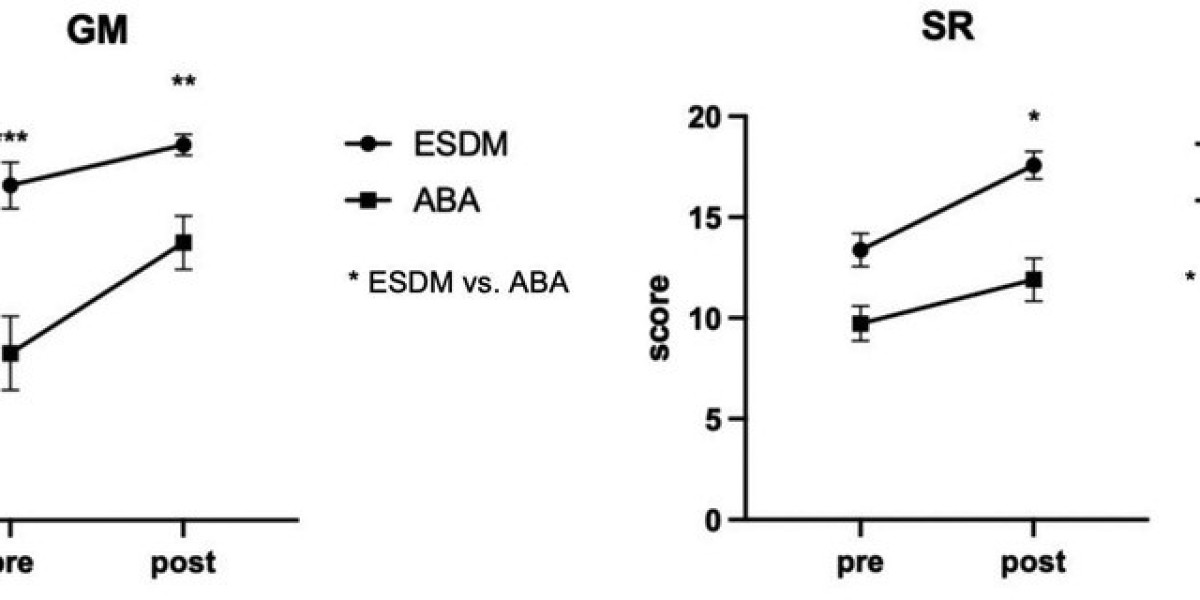
The researchers wanted to see how children with autism changed over time after receiving either ABA therapy or ESDM intervention. They followed a group of children for several years, regularly assessing their skills in areas like communication, social interaction, and adaptive behavior (things like self-care and daily living skills). The study compared the progress of children receiving ABA to those receiving ESDM.
What Did They Find? (In Plain Language!)
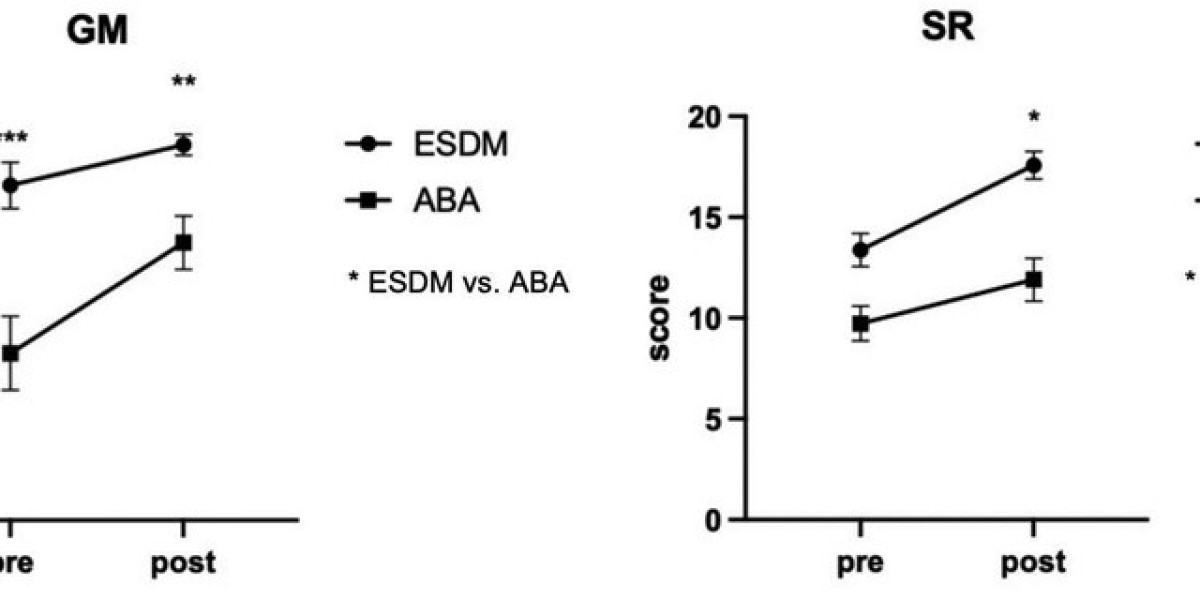
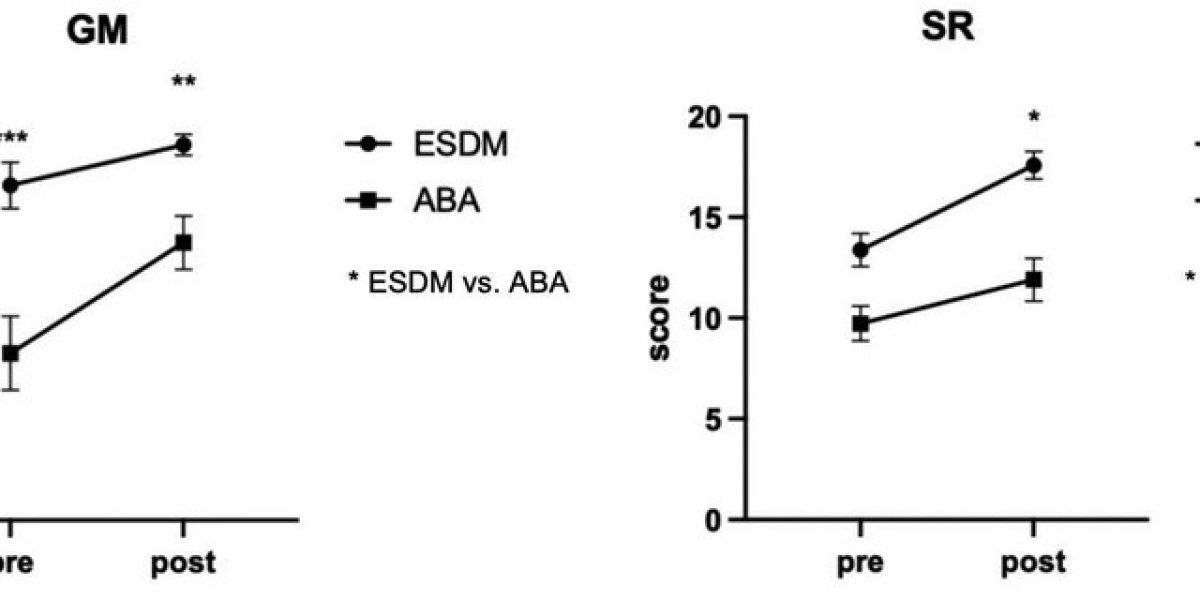
The study found that both ABA and ESDM were associated with positive changes in children's development over time. Children in both groups showed improvements in communication, social skills, and adaptive behavior. Importantly, the researchers noted that the specific areas of improvement and the rate of progress could vary between children and between the two therapy approaches. This suggests that while both therapies can be effective, they might impact individual children differently.
Why Does This Matter for Autism Families?
This research is important because it gives us more information about the potential long-term benefits of ABA and ESDM. It reinforces the idea that early intervention can make a real difference in the lives of autistic children. The study also highlights the importance of individualized treatment plans. What works best for one child might not be the best approach for another. It emphasizes the need for careful assessment and ongoing monitoring to ensure that therapy is tailored to each child's unique needs and strengths.
Practical Implications for Therapy, School, and Daily Life
- Therapy: This study underscores the importance of working closely with therapists to develop a personalized treatment plan. Discuss your child's specific goals and monitor their progress regularly. Don't be afraid to ask questions and advocate for adjustments to the therapy approach if needed.
- School: Share information about your child's therapy and progress with their school team. This can help them understand your child's strengths and challenges and provide appropriate support in the classroom.
- Daily Life: The skills learned in therapy can be reinforced at home and in the community. Look for opportunities to practice communication, social interaction, and adaptive skills in everyday situations.
Important Considerations (Limitations of the Study)
It's important to remember that this is just one study, and like all research, it has limitations. The study likely involved a limited number of participants, and more research is needed to confirm these findings in larger and more diverse groups of children. Also, it's important to note that the specific implementation of ABA and ESDM can vary, so the results might not be generalizable to all ABA or ESDM programs. This is one piece of the puzzle, and we need more research to get a clearer picture.
Want to Learn More?
You can read the original research paper here: Frontiers in Pediatrics - Longitudinal changes in children with autism spectrum disorder following ABA therapy or ESDM intervention
Read the study: Frontiers in Pediatrics