
New Study: How ABA and ESDM Therapies Impact Kids with Autism Over Time
As parents of children with autism, we're always looking for information about what therapies work best and what we can expect for our kids in the long run. A new study published in Frontiers in Pediatrics (2025) offers some interesting insights into how two common therapies, ABA and ESDM, affect children with autism over several years.
What the Study Looked At
Researchers wanted to understand how children with autism changed over time after receiving either Applied Behavior Analysis (ABA) therapy or the Early Start Denver Model (ESDM) intervention. These therapies are both designed to help children develop skills in areas like communication, social interaction, and daily living. The study followed a group of children for several years, assessing their progress at different points.
What the Researchers Found
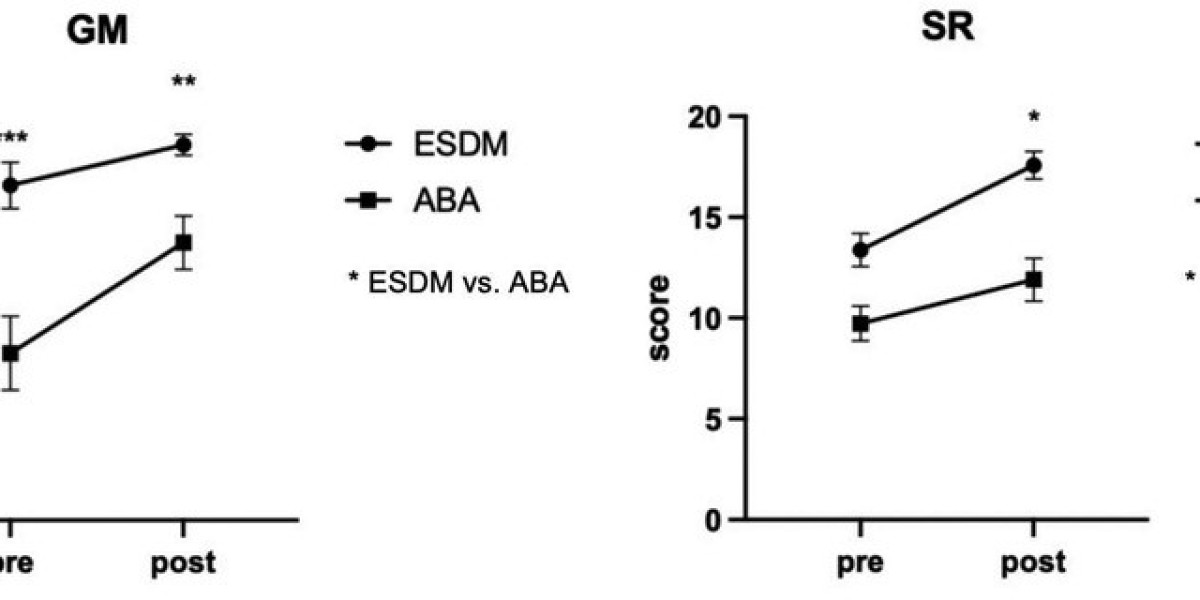
The study found that both ABA and ESDM therapies were associated with positive changes in children with autism over time. Specifically, kids in both groups showed improvements in their communication skills and adaptive behaviors (like getting dressed or following instructions). The researchers noted that while both therapies led to improvements, the rate and type of progress sometimes differed between the groups. For example, one group might have shown faster gains in social skills initially, while the other might have caught up later on. The researchers also emphasized that individual responses to therapy varied considerably, highlighting the importance of personalized treatment plans.
Why This Matters for Autism Families
This study reinforces that early intervention can make a real difference in the lives of children with autism. Knowing that both ABA and ESDM can lead to positive outcomes can empower parents to make informed decisions about their child's care. The finding that progress can vary between therapies and individuals also highlights the need for ongoing assessment and adjustments to ensure the therapy is truly meeting your child's unique needs.
Practical Implications
- Therapy: This study supports the use of both ABA and ESDM. Talk to your child's therapists about the specific goals and strategies used in their therapy and how they align with your child's individual needs and progress.
- School: Share this information with your child's school team. Understanding the potential benefits of these therapies can help educators create a more supportive and effective learning environment.
- Daily Life: Remember that progress takes time. Celebrate small victories and work closely with your therapists to implement strategies at home that reinforce what your child is learning in therapy.
Important Considerations
It's important to remember that this is just one study. While the results are encouraging, more research is always needed. Also, the study likely involved a specific number of participants, and the findings might not apply to every single child with autism. Every child is unique, and what works for one may not work for another. Consult with your child's healthcare professionals to determine the best course of treatment for their specific needs.
Disclaimer: This blog post is for informational purposes only and should not be considered medical advice. Always consult with qualified healthcare professionals for any health concerns or before making any decisions related to your child's treatment.
You can read the original research paper here: Longitudinal changes in children with autism spectrum disorder following ABA therapy or ESDM intervention
Read the study: Frontiers in Pediatrics