
New Study: How ABA and ESDM Therapies Impact Kids with Autism Over Time
As parents of children with autism, we're always looking for information about what therapies work best. A new study published in Frontiers in Pediatrics (2025) investigated how two common interventions, Applied Behavior Analysis (ABA) and the Early Start Denver Model (ESDM), affect children with autism over a longer period.
What the Researchers Studied
Researchers wanted to understand how children with autism change over time when receiving either ABA therapy or ESDM intervention. They followed a group of children for several years, regularly assessing their development in areas like communication, social skills, and adaptive behavior (things like daily living skills). The study compared the progress of children receiving ABA to those receiving ESDM.
What They Found (in Plain Language)
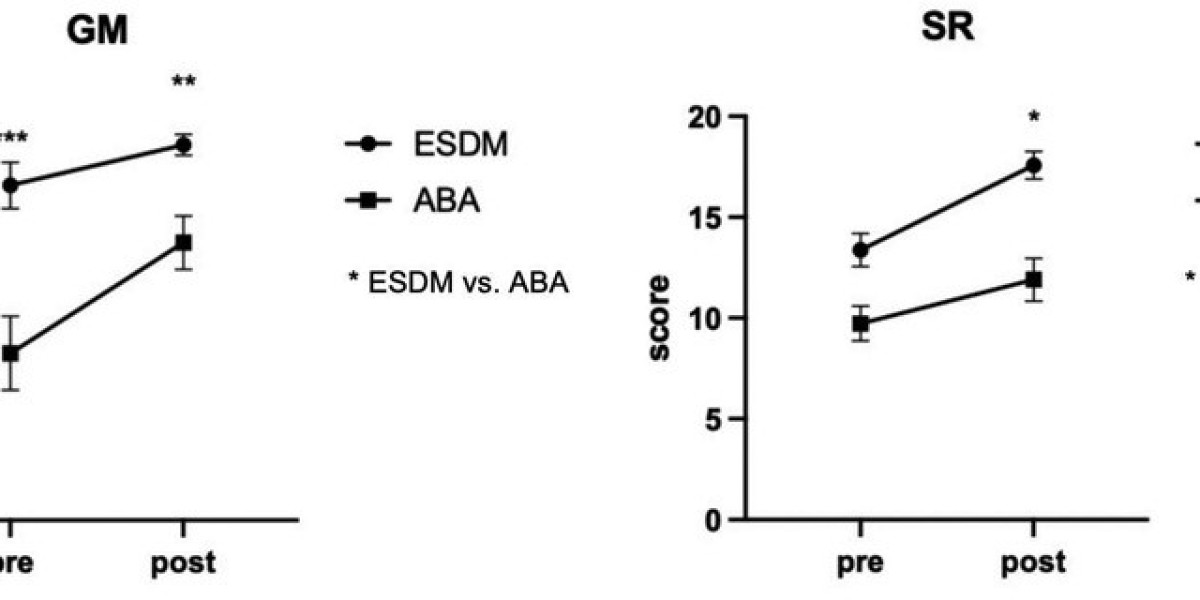
The study found that both ABA and ESDM were associated with positive changes in children's development over time. Children in both groups showed improvements in communication and social skills. While both groups improved, the study suggested that children receiving ESDM may have shown slightly greater gains in social communication skills compared to those receiving ABA. However, these differences were not statistically significant, meaning they could have been due to chance.
Why This Matters for Autism Families
This study reinforces that both ABA and ESDM can be effective interventions for children with autism. It suggests that both therapies can lead to positive developmental changes over time. The finding that ESDM *may* lead to slightly greater gains in social communication is interesting, but it's important to remember that the difference wasn't statistically significant. This highlights the importance of individualized treatment plans tailored to your child's specific needs and strengths.
Practical Implications
- Therapy: This study supports the use of both ABA and ESDM. When choosing a therapy, consider your child's individual needs, your family's values, and the availability of qualified therapists in your area.
- School: Share this information with your child's school team. Understanding the potential benefits of both ABA and ESDM can help inform decisions about educational supports and interventions.
- Daily Life: The positive changes observed in the study highlight the importance of consistent and supportive interactions with your child. Continue to create opportunities for communication, social interaction, and skill-building in everyday activities.
Important Considerations (Limitations of the Study)
It's important to keep in mind that this is just one study, and like all research, it has limitations. The sample size was relatively small, which means the results might not apply to all children with autism. Also, the study was conducted by researchers at institutions that may have a bias toward ABA or ESDM approaches, and more research is always needed to confirm these findings. It's also important to remember that every child is different, and what works for one child may not work for another.
In conclusion: Both ABA and ESDM appear to be beneficial therapies for children with autism. Talk to your child's doctor, therapists, and educators to determine the best approach for your family.
You can read the original research paper here: Longitudinal changes in children with autism spectrum disorder following ABA therapy or ESDM intervention
Read the study: Frontiers in Pediatrics