
New Study: How ABA and ESDM Therapy Impact Kids with Autism Over Time
As parents of children with autism, we're always looking for information about what therapies work best and what we can expect for our kids in the long run. A new study published in Frontiers in Pediatrics (2025) looked at just that, comparing how two common therapies, ABA (Applied Behavior Analysis) and ESDM (Early Start Denver Model), affected children with autism over several years.
What the Researchers Studied
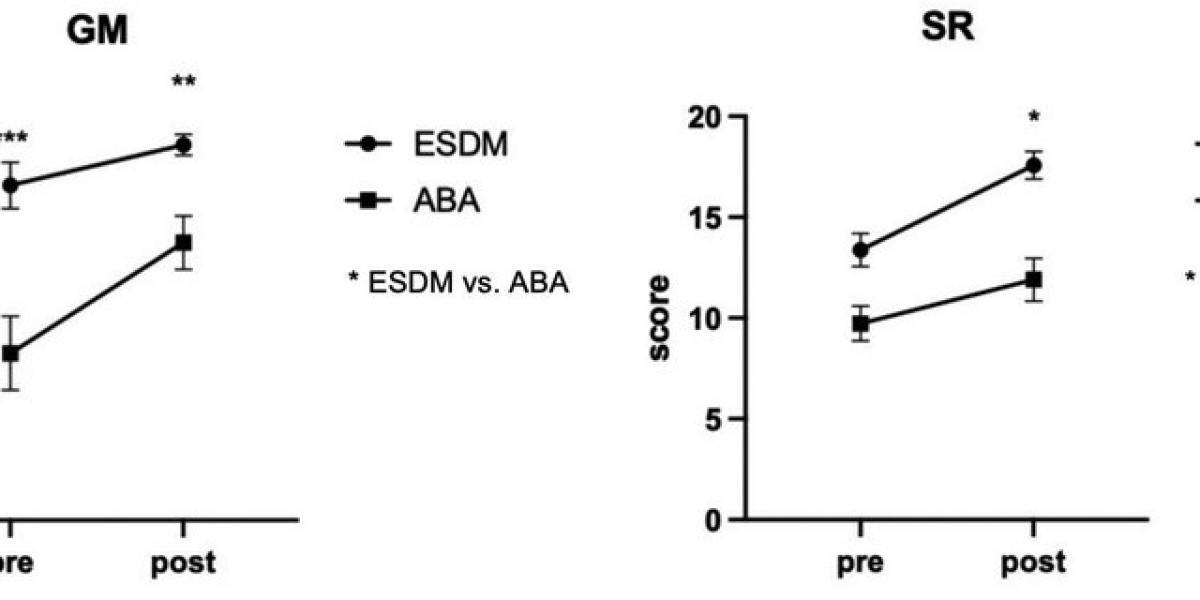
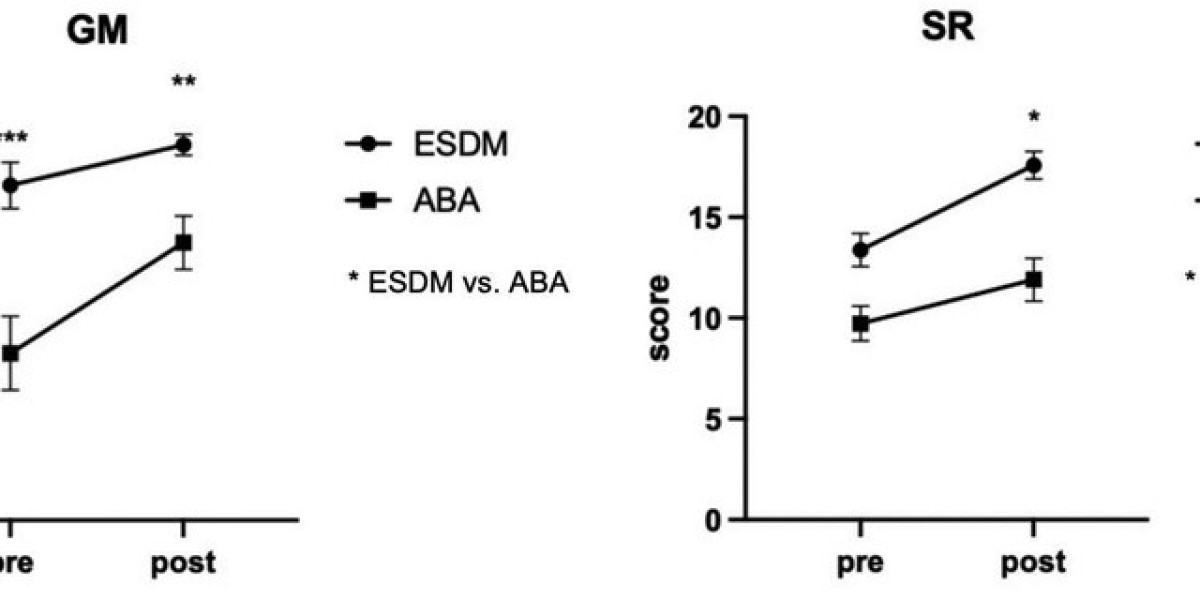
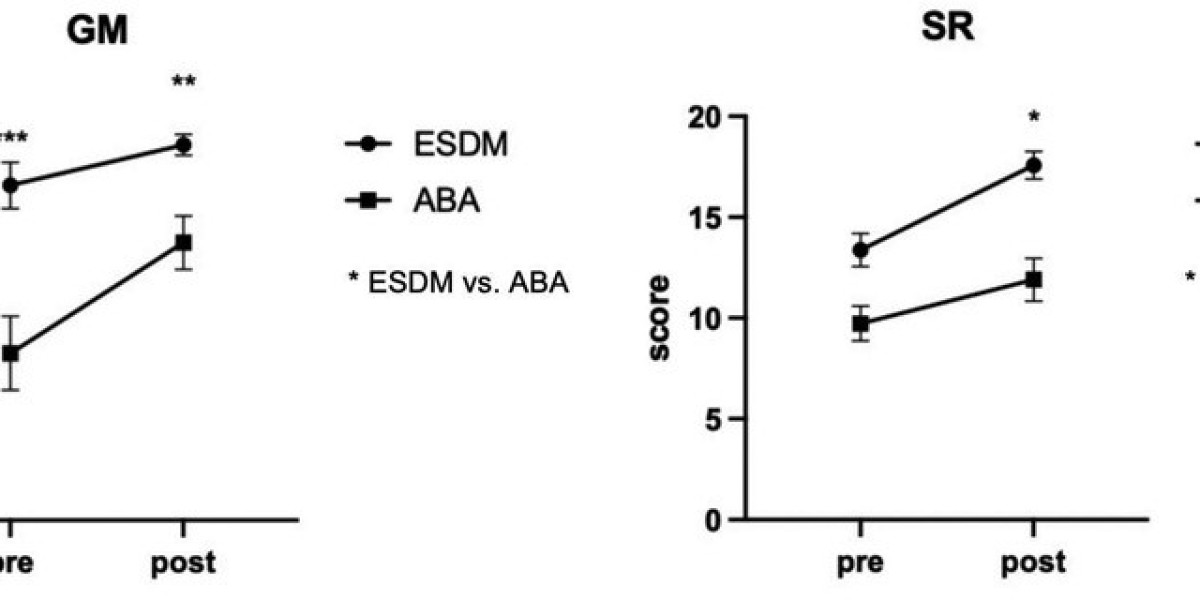
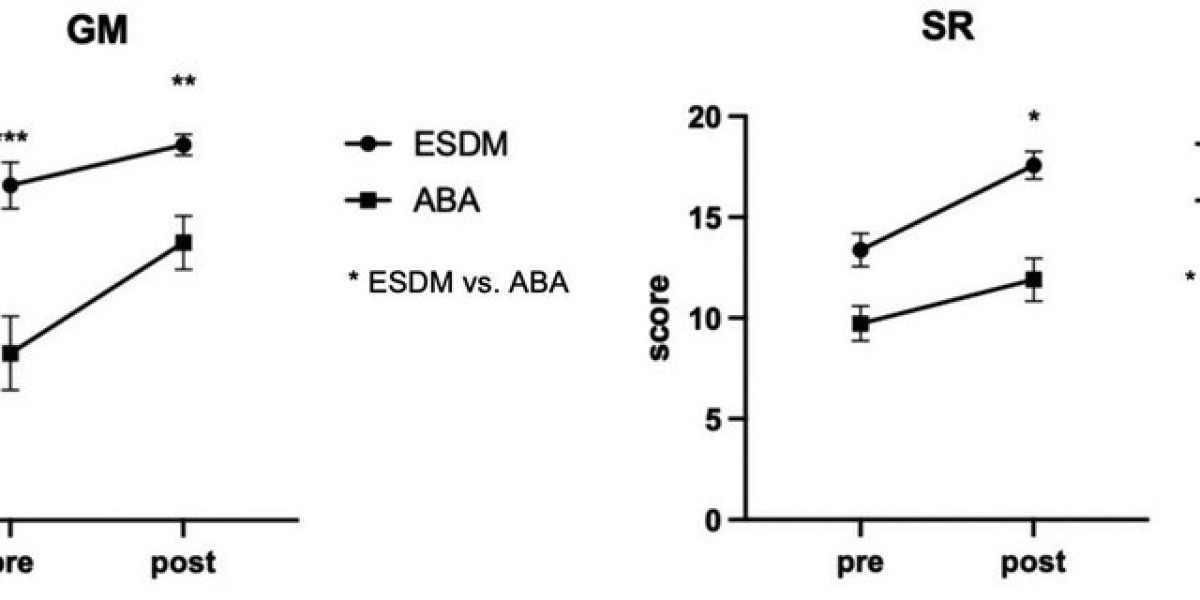
Researchers wanted to understand how kids with autism changed over time when receiving either ABA or ESDM therapy. They followed a group of children diagnosed with autism who were receiving one of these two interventions. The researchers measured things like language skills, social interaction, and adaptive behavior (things like daily living skills) at the beginning of the study and then again at several points over a few years.
What They Found (in Plain Language)
The study found that both ABA and ESDM were associated with positive changes in children's development over time. Kids in both groups showed improvements in language, social skills, and adaptive behaviors. Importantly, the researchers noted that the rate of improvement wasn't significantly different between the two groups. This suggests that both therapies can be effective in supporting development in children with autism.
Why This Matters for Autism Families
This study is encouraging because it provides more evidence that early intervention can make a real difference in the lives of children with autism. The finding that both ABA and ESDM can lead to improvements is helpful for families making decisions about which therapy approach to pursue. It reinforces the idea that there isn't necessarily one "best" therapy for everyone, and that different approaches can be effective.
Practical Implications
- Therapy Decisions: This study supports the idea that both ABA and ESDM are valid options. Talk to your child's doctor or therapist about which approach might be the best fit for your child's individual needs and learning style.
- Individualized Approach: Remember that every child is different. What works well for one child might not work as well for another. Regular monitoring and adjustments to the therapy plan are crucial.
- Advocate for Early Intervention: This study highlights the importance of starting therapy as early as possible to maximize its impact.
Important Limitations to Keep in Mind
It's important to be aware of the limitations of this study. Like all research, it's not perfect. This was a relatively early study, and the sample size (the number of children involved) wasn't huge. This means that the findings might not apply to all children with autism. More research with larger groups of children is needed to confirm these results. Additionally, the study doesn't tell us *why* these therapies work or which specific components are most effective.
The Bottom Line
This study provides further evidence that both ABA and ESDM therapy can be beneficial for children with autism, leading to improvements in key areas of development over time. While more research is always needed, these findings are encouraging for families seeking effective interventions for their children.
You can read the original research paper here: Longitudinal changes in children with autism spectrum disorder following ABA therapy or ESDM intervention
Read the study: Frontiers in Pediatrics