
New Study: How ABA and ESDM Therapies Impact Kids with Autism Over Time
Choosing the right therapy for your child with autism can feel overwhelming. A new study published in Frontiers in Pediatrics (2025) offers some helpful insights into how two common therapies, Applied Behavior Analysis (ABA) and Early Start Denver Model (ESDM), can impact children over several years.
What the Researchers Studied
Researchers wanted to understand how children with autism change over time when receiving either ABA or ESDM therapy. They followed a group of young children with autism who were receiving one of these two interventions. The researchers looked at several things, including:
- Adaptive behavior: This refers to everyday skills like communication, social interaction, and self-care.
- Cognitive abilities: Thinking, learning, and problem-solving skills.
- Autism symptoms: The severity of core autism traits, such as repetitive behaviors and social communication challenges.
What the Researchers Found
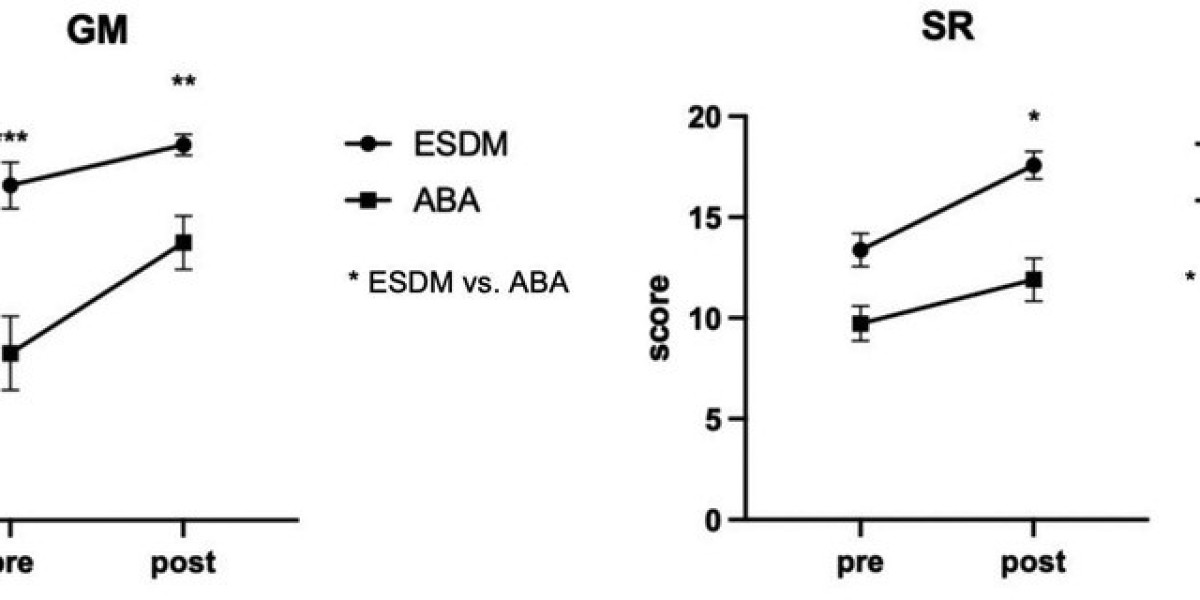
The study found that both ABA and ESDM were associated with improvements in adaptive behavior and cognitive abilities over time. In other words, children in both therapy groups showed progress in their daily living skills and thinking skills. The researchers also observed a decrease in autism symptom severity in both groups. While both therapies seemed to lead to positive changes, the study didn't definitively say that one therapy was better than the other.
Why This Matters for Autism Families
This study is encouraging because it suggests that both ABA and ESDM can be effective interventions for children with autism. It reinforces the idea that early intervention can make a real difference in a child's development. For parents, this information can be helpful when deciding which therapy approach might be the best fit for their child, in consultation with professionals.
Practical Implications
- Therapy: This study supports the use of both ABA and ESDM as evidence-based therapies. When choosing a therapy, consider your child's individual needs, your family's values, and the availability of qualified therapists.
- School: The improvements in adaptive behavior and cognitive skills seen in the study could translate to better performance and participation in school.
- Daily Life: Gains in adaptive behavior can make daily routines easier for both the child and the family, leading to increased independence and quality of life.
Important Considerations
It's important to remember that this is just one study, and more research is always needed. The sample size was relatively small, which means the findings might not apply to all children with autism. Also, the study doesn't tell us exactly why these therapies are effective, only that they seem to be associated with positive changes. Finally, individual results can vary greatly depending on the child, the intensity of therapy, and other factors.
Disclaimer: This blog post is for informational purposes only and should not be considered medical advice. Always consult with qualified healthcare professionals for personalized guidance.
You can read the original research paper here: Longitudinal changes in children with autism spectrum disorder following ABA therapy or ESDM intervention
Read the study: Frontiers in Pediatrics