
New Study: How Do ABA and ESDM Therapies Impact Kids with Autism Over Time?
Navigating the world of autism therapies can feel overwhelming. Applied Behavior Analysis (ABA) and Early Start Denver Model (ESDM) are two common approaches. A new study published in Frontiers in Pediatrics (2025) followed autistic children receiving either ABA or ESDM over several years to see how they changed.
What Did the Researchers Study?
Researchers wanted to understand how kids with autism progress differently depending on whether they receive ABA or ESDM therapy. They looked at things like:
- Language skills: How well children understand and use language.
- Social skills: How children interact with others.
- Adaptive behavior: How well children can take care of themselves and handle daily tasks.
- Cognitive abilities: Thinking and problem-solving skills.
The study followed children for a few years, checking in on their progress at different points in time.
What Did They Find? (In Plain Language!)
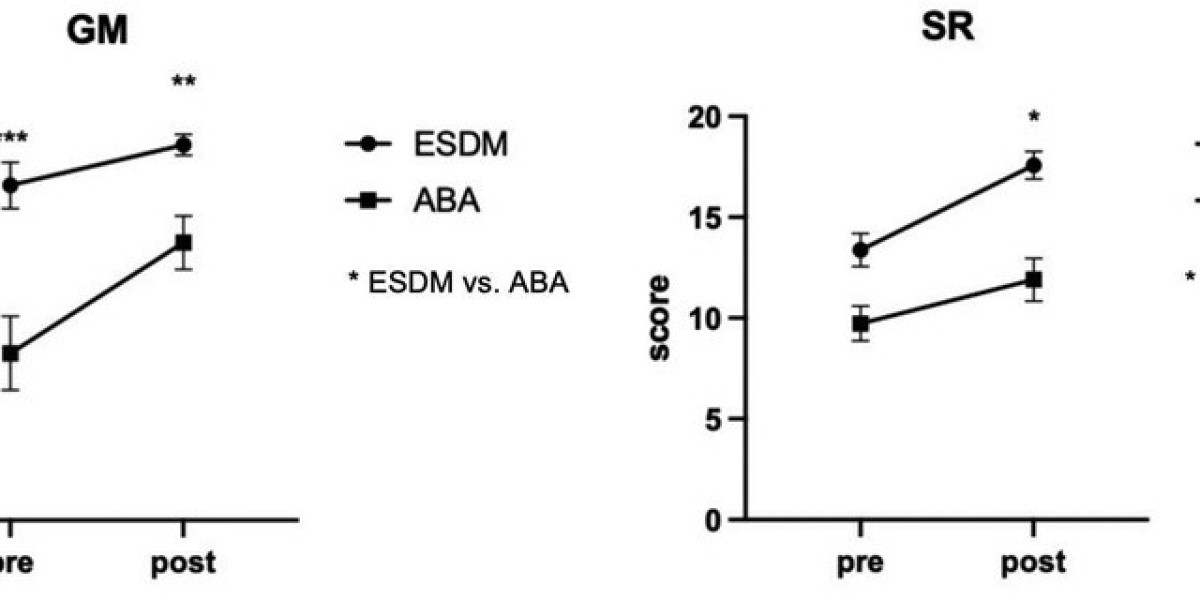
The study found that both ABA and ESDM were associated with improvements in language, social skills, adaptive behavior, and cognitive abilities over time. This means that children in both therapy groups showed positive development. The researchers noted that the amount of improvement varied from child to child, which isn't surprising since every autistic individual is unique. The study also suggested that the specific type of therapy (ABA vs. ESDM) didn't seem to make a significant difference in the overall amount of progress kids made.
Why Does This Matter for Autism Families?
This study is encouraging because it suggests that both ABA and ESDM can be effective therapies for autistic children. It reinforces the importance of early intervention and highlights that different therapeutic approaches can lead to positive outcomes. It also emphasizes that individual progress varies, reminding us that there's no one-size-fits-all approach.
Practical Implications
- Therapy: This study supports the use of both ABA and ESDM. It can help parents feel confident that these therapies can be beneficial. When choosing a therapy, consider your child's individual needs, preferences, and learning style.
- School: Share this information with your child's school team. Understanding the potential benefits of different therapies can help them create a supportive and effective learning environment.
- Daily Life: Focus on creating opportunities for your child to practice their skills in everyday situations. Whether it's working on communication during mealtimes or practicing social skills during playdates, consistent practice is key.
Important Considerations
It's important to remember that this is just one study. While the results are promising, there are some limitations to keep in mind:
- Sample Size: The study included a relatively small number of children. Larger studies are needed to confirm these findings.
- Early Study: As a 2025 publication, consider that further research may expand or refine these findings.
- Individual Variation: As the researchers noted, children progress at different rates. This study doesn't tell us exactly which therapy will work best for each individual child.
Want to Learn More?
You can read the full research paper here: Longitudinal changes in children with autism spectrum disorder following ABA therapy or ESDM intervention.
Disclaimer: This blog post is for informational purposes only and should not be considered medical advice. Always consult with a qualified healthcare professional for any questions you may have regarding your child's health or treatment.
Read the study: Frontiers in Pediatrics