
New Study: How ABA and ESDM Therapies Impact Kids with Autism Over Time
Navigating the world of autism therapies can feel overwhelming. You want to make the best choices for your child, but it's hard to know what to expect long-term. A new study published in Frontiers in Pediatrics (2025) sheds some light on how two common therapies, Applied Behavior Analysis (ABA) and the Early Start Denver Model (ESDM), can impact children with autism over time.
What the Researchers Did
Researchers followed a group of young children diagnosed with autism spectrum disorder (ASD) for several years. Some children received ABA therapy, while others received ESDM intervention. The researchers wanted to see how the children's skills and behaviors changed over time with each therapy. They looked at things like communication skills, social interaction, and adaptive behaviors (like daily living skills).
What They Found (in Plain Language!)
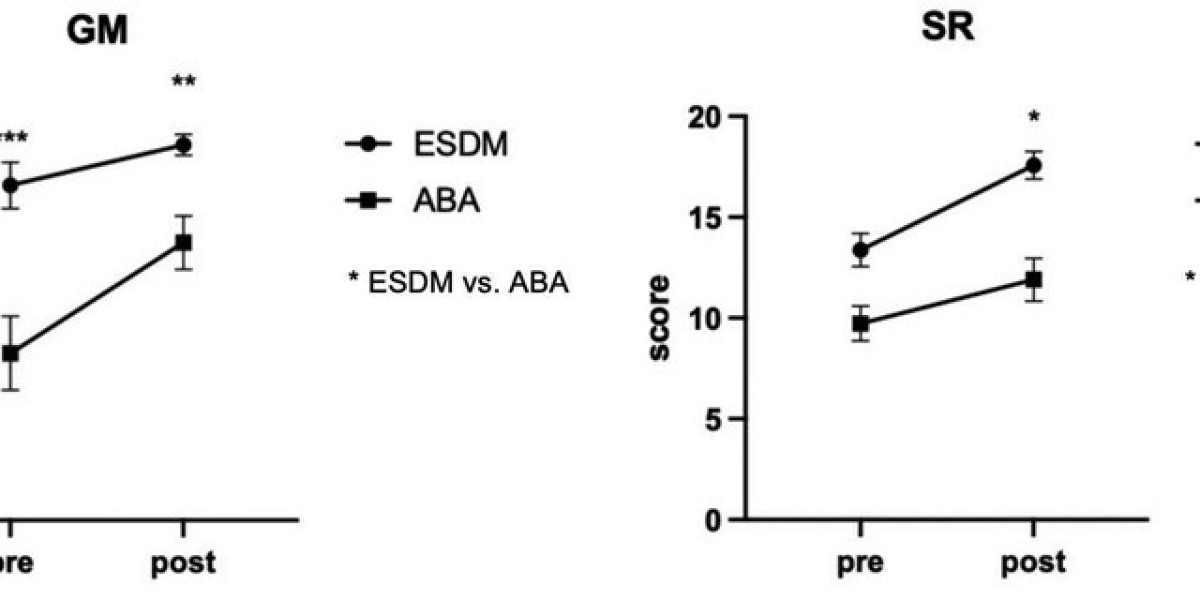
The study found that both ABA and ESDM therapies were associated with positive changes in children with autism over the long term. Specifically, children in both groups showed improvements in their communication and social skills. The researchers also noted improvements in adaptive behaviors, helping kids become more independent. While both therapies showed positive impacts, the study suggested that the types of improvements might differ slightly between the two approaches. For example, one therapy may have shown slightly faster gains in one area compared to the other, but overall, both were beneficial.
Why This Matters for Autism Families
This research is encouraging because it suggests that both ABA and ESDM can be effective interventions for children with autism. It's helpful to see data on how these therapies can impact kids not just in the short term, but over several years. This can help families make more informed decisions about which therapy might be the best fit for their child, in consultation with their therapists and doctors.
Practical Implications
- Therapy: This study reinforces the importance of early intervention. If you're considering ABA or ESDM, discuss the potential long-term benefits with your child's therapists. Ask about the specific goals and strategies used in each approach and how they align with your child's needs.
- School: Share this information with your child's school team. Understanding the potential benefits of ABA and ESDM can help educators support your child's learning and development in the classroom.
- Daily Life: Remember that therapy is just one piece of the puzzle. Create a supportive and understanding environment at home where your child can practice their skills and feel successful.
Important Considerations
It's important to remember that this is just one study, and like all research, it has limitations. The sample size was relatively small, and more research is needed to confirm these findings in larger and more diverse groups of children with autism. Also, every child is different, and what works for one child may not work for another. The best approach is always to work closely with your child's therapists and doctors to develop a personalized treatment plan.
Disclaimer: This blog post is for informational purposes only and should not be considered medical advice. Always consult with a qualified healthcare professional for any questions you have about your child's health or treatment.
Want to dive deeper? You can find the original research paper here: Longitudinal changes in children with autism spectrum disorder following ABA therapy or ESDM intervention
Read the study: Frontiers in Pediatrics