
ABA vs. ESDM: New Research on Long-Term Outcomes for Autistic Children
Navigating the world of autism therapies can feel overwhelming. Applied Behavior Analysis (ABA) and Early Start Denver Model (ESDM) are two common approaches, and many parents wonder which might be the best fit for their child. A new study published in Frontiers in Pediatrics sheds some light on how children with autism spectrum disorder (ASD) change over time when receiving these different interventions.
What the Researchers Studied
Researchers followed a group of autistic children over several years. Some children received ABA therapy, while others received ESDM. The researchers wanted to see how the children's skills and behaviors changed in both groups. They looked at things like:
- Language skills: How well the children could understand and use language.
- Social skills: How well the children interacted with others.
- Adaptive behavior: How well the children could take care of themselves and manage daily tasks.
- Autism symptom severity: A measure of the core characteristics of autism.
What They Found
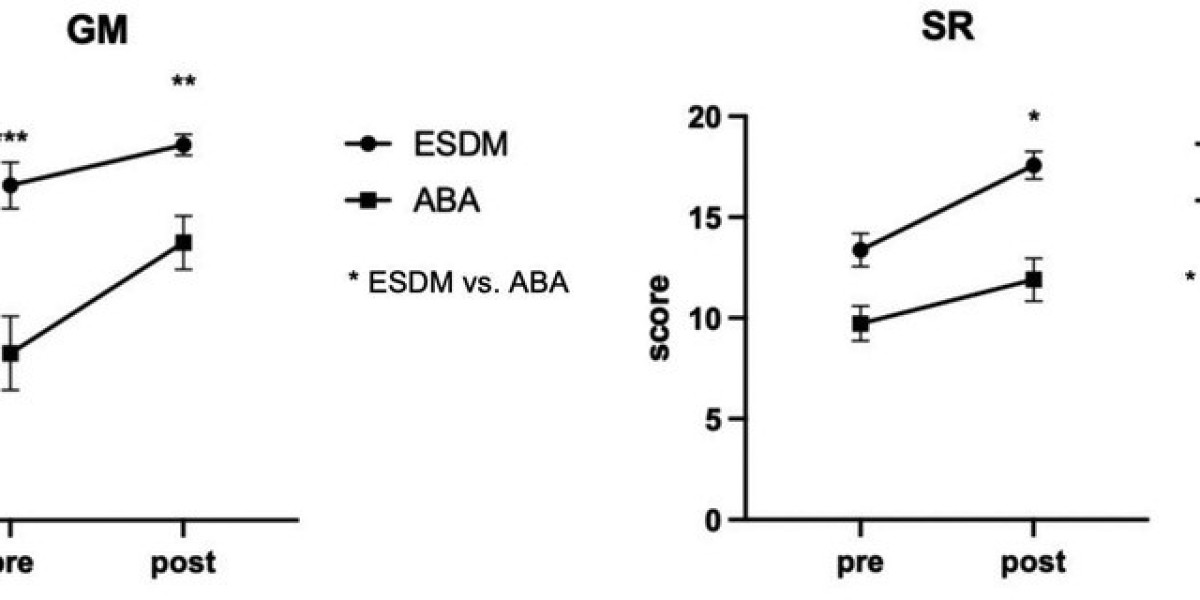
The study found that both ABA and ESDM were associated with improvements in language, social skills, and adaptive behavior over time. This is great news! However, the researchers also observed some key differences:
- Rate of Improvement: Children in the ESDM group showed slightly faster improvements in social communication skills during the initial years of the study.
- Long-Term Gains: After several years, both groups showed similar levels of improvement across most areas.
- Symptom Severity: The study suggested that both therapies can lead to a reduction in the severity of autism symptoms, but the pattern of change might differ slightly between the two approaches.
Why This Matters for Autism Families
This research reinforces that both ABA and ESDM can be effective interventions for autistic children. It suggests that the choice between the two might depend on individual needs and priorities. Some families may prefer ESDM's focus on play-based learning and social interaction, especially in the early years. Others may find ABA's structured approach more suitable.
Practical Implications
Here's how this research might impact therapy, school, and daily life:
- Therapy: This study highlights the importance of individualized therapy plans. Talk to your child's therapist about the specific goals you have for your child and which therapy approach might best help them achieve those goals.
- School: Understanding the different strengths of ABA and ESDM can help you advocate for your child's needs in the classroom. For example, if your child is working on social skills, you might ask the school to incorporate play-based activities similar to those used in ESDM.
- Daily Life: Regardless of the therapy approach, consistency is key. Find ways to reinforce the skills your child is learning in therapy at home and in the community.
Important Considerations
It's important to remember that this is just one study, and more research is always needed. Here are a few limitations to keep in mind:
- Sample Size: The study involved a relatively small number of children, so the findings might not apply to all autistic children.
- Individual Variability: Every autistic child is different, and their response to therapy can vary widely.
- Study Duration: While the study followed children over time, even longer-term studies are needed to fully understand the lasting effects of these therapies.
The Bottom Line: This study provides valuable insights into the long-term effects of ABA and ESDM. While both therapies can be effective, the best approach depends on your child's individual needs and your family's priorities. Talk to your child's doctor and therapists to make informed decisions about their care.
You can read the original research paper here: Longitudinal changes in children with autism spectrum disorder following ABA and ESDM interventions: A comparative study
Read the study: Frontiers in Pediatrics