
ABA vs. ESDM: New Research on Long-Term Progress in Autism
Choosing the right therapy for your child with autism can feel overwhelming. There are so many options, and it's hard to know what will work best. A new study published in Frontiers in Pediatrics looked at how two common interventions, Applied Behavior Analysis (ABA) and the Early Start Denver Model (ESDM), impact children with autism over time.
What the Researchers Did
Researchers followed a group of children with autism over several years. Some children received ABA therapy, while others received ESDM. The researchers wanted to see how the children's skills in areas like communication, social interaction, and daily living changed over the course of the study. They used standardized assessments to measure progress at different time points.
What They Found
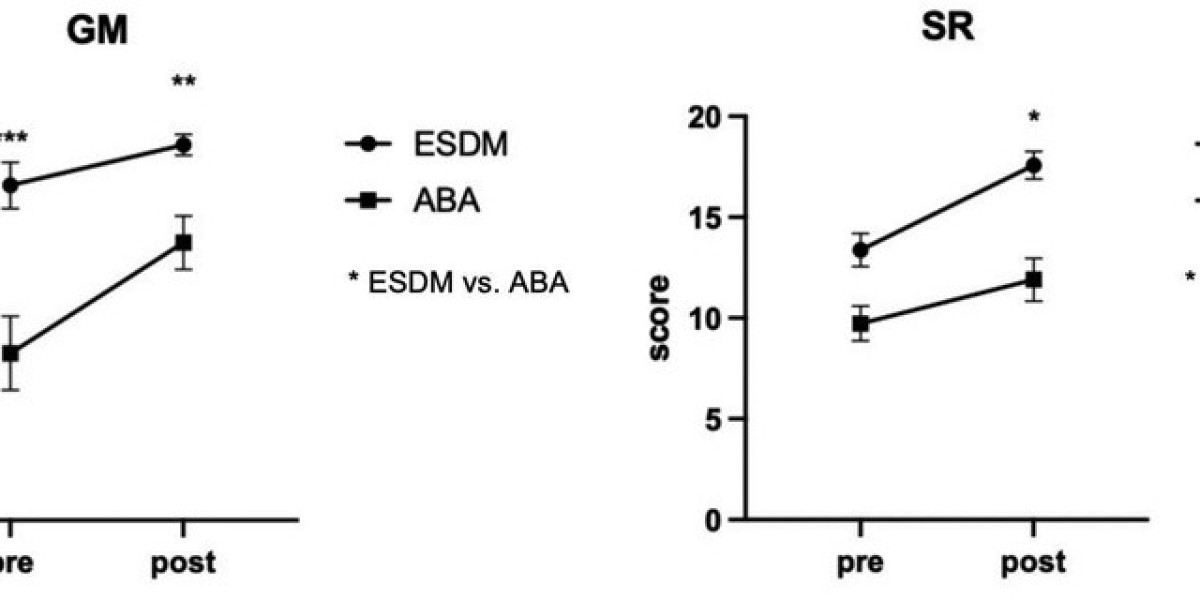
The study found that both ABA and ESDM were associated with improvements in children's skills over time. Specifically, children in both groups showed gains in communication and adaptive behavior (things like dressing, eating, and hygiene). The researchers also looked to see if one intervention led to significantly better outcomes than the other. While both groups improved, the study suggested that children receiving ESDM may have shown slightly greater gains in social communication skills compared to those receiving ABA. However, it's important to note that these differences were small and not consistent across all measures.
Why This Matters for Autism Families
This research is helpful because it gives us more information about the long-term effects of ABA and ESDM. It reinforces the idea that both interventions can be effective in supporting children with autism. It also highlights the potential for ESDM to support social communication development.
Practical Implications
- Therapy Decisions: This study can inform discussions with your child's therapists and doctors about the best intervention approach. It suggests that both ABA and ESDM are viable options, and the choice may depend on your child's specific needs and your family's preferences.
- School Programs: Schools often incorporate ABA principles. Understanding ESDM can help you advocate for a more relationship-based, play-based approach within your child's educational program, if appropriate.
- Daily Life: Whether your child is receiving ABA or ESDM, focusing on building social communication skills through play and interaction remains important. This study reinforces the value of creating opportunities for your child to practice these skills in natural settings.
Important Considerations
It's important to remember that this is just one study, and more research is always needed. While the study followed children over time, the sample size was relatively small. Also, the study compared groups receiving ABA and ESDM, but didn't look at the specific ways these interventions were implemented. The quality and intensity of therapy can vary, which can affect outcomes.
It is also important to remember that every child is different, and what works for one child may not work for another. The best intervention is one that is tailored to your child's individual needs and strengths.
Want to Learn More?
You can read the original research paper here: Longitudinal changes in children with autism spectrum disorder following ABA and ESDM interventions: A comparative study
Read the study: Frontiers in Pediatrics