
ABA vs. ESDM: New Study Looks at Long-Term Outcomes
Choosing the right therapy for your child with autism can feel overwhelming. A new study published in Frontiers in Pediatrics (2025) looked at how two common therapies, Applied Behavior Analysis (ABA) and the Early Start Denver Model (ESDM), affected children with autism over time. Let's break down what the researchers did and what they found.
What the Study Did
Researchers followed a group of children with autism over several years. Some children received ABA therapy, while others received ESDM. ABA focuses on teaching specific skills through reinforcement and breaking down complex tasks into smaller steps. ESDM is a play-based therapy that focuses on building social and communication skills within natural interactions. The researchers wanted to see how the children in each group changed in terms of their:
- Language skills
- Social skills
- Adaptive behavior (everyday living skills)
What the Study Found
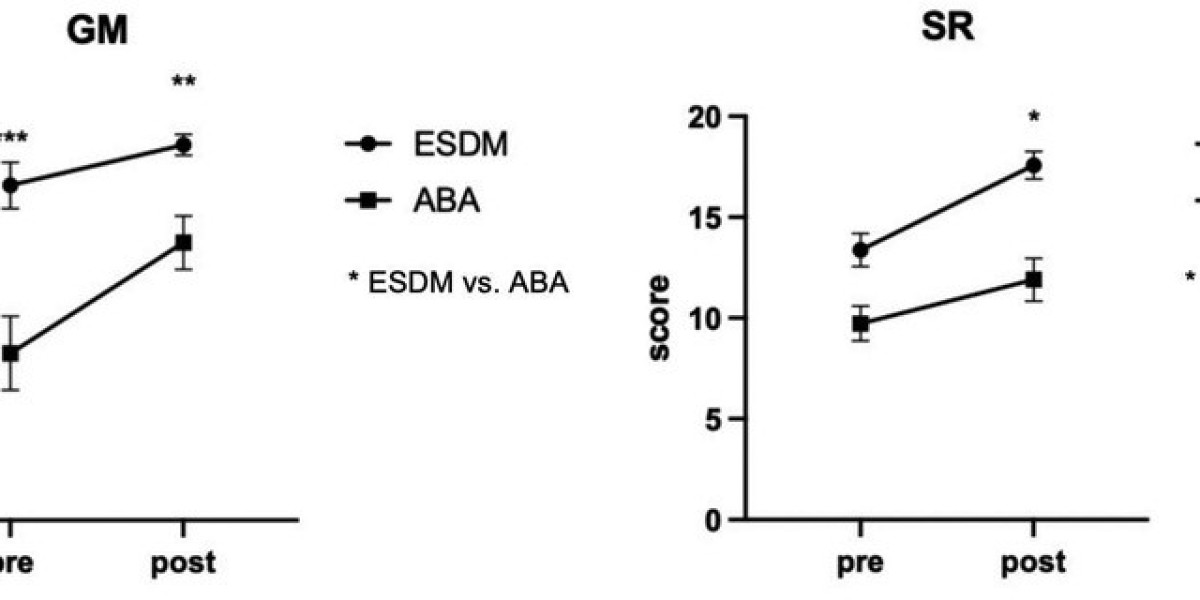
The study found that both ABA and ESDM were associated with improvements in language, social skills, and adaptive behavior over time. Importantly, the researchers reported that children in both groups showed significant progress. While there were some subtle differences in the *rate* of improvement on certain measures, the overall takeaway was that both therapies can be effective in supporting development in children with autism.
Why This Matters for Autism Families
This study is helpful because it provides more information about the long-term outcomes associated with ABA and ESDM. Knowing that both therapies can lead to positive changes can empower parents to make informed decisions based on their child's individual needs, their family's values, and available resources. It reinforces that there isn't necessarily one 'best' therapy for every child, and that different approaches can be beneficial.
Practical Implications
So, what does this mean for you?
- Therapy Decisions: When choosing a therapy, consider your child's strengths, challenges, and preferences. Talk to professionals experienced in both ABA and ESDM to see which approach might be the best fit.
- Collaboration is Key: Regardless of the chosen therapy, consistent collaboration between therapists, educators, and family members is crucial for maximizing progress.
- Individualized Approach: Remember that every child is different. What works well for one child may not work as well for another. Regular monitoring and adjustments to the therapy plan are essential.
Important Considerations
It's important to remember that this is just one study, and like all research, it has limitations. The sample size may have been relatively small, and further research with larger and more diverse groups of children is needed to confirm these findings. Also, this study only looked at ABA and ESDM; other therapies may also be effective. It's also important to note that the quality of implementation of each therapy can vary, which can impact outcomes.
Want to Learn More?
You can read the original research paper here: Longitudinal changes in children with autism spectrum disorder following ABA and ESDM interventions: A comparative study
Read the study: Frontiers in Pediatrics