
ABA vs. ESDM: New Research on Long-Term Outcomes for Autistic Children
Choosing the right therapy for your autistic child can feel overwhelming. There are so many options, and it's hard to know what will work best. A new study published in Frontiers in Pediatrics (2025) looked at how two common therapies, Applied Behavior Analysis (ABA) and the Early Start Denver Model (ESDM), affected autistic children over several years.
What the Researchers Studied
Researchers wanted to understand how children with autism changed over time when receiving either ABA or ESDM therapy. They followed a group of young autistic children who received one of these therapies consistently for at least 3 years. The researchers looked at several things, including:
- Language skills: How well the children could understand and use language.
- Social skills: How well the children interacted with others.
- Adaptive behavior: How well the children could perform everyday tasks like dressing and feeding themselves.
What They Found
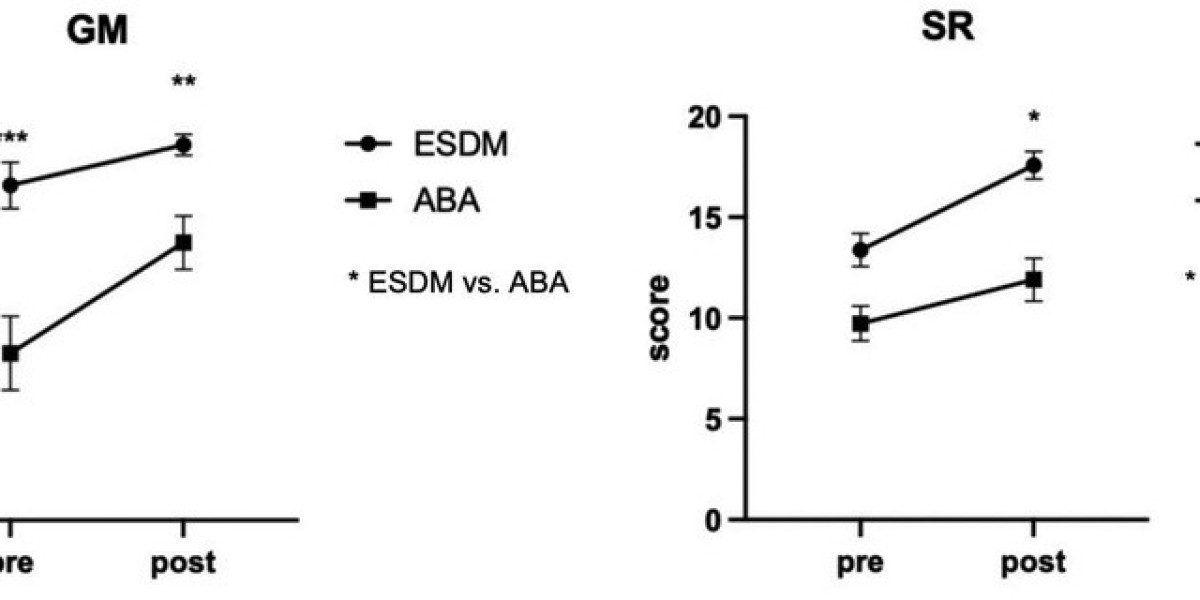
The study found that both ABA and ESDM were associated with improvements in language, social skills, and adaptive behavior over time. This is encouraging! However, the researchers also observed some key differences:
- Children in the ABA group showed slightly greater gains in adaptive behavior skills compared to the ESDM group.
- Children in the ESDM group showed slightly greater gains in social communication skills compared to the ABA group.
- Both groups showed similar improvements in language skills.
In other words, both therapies helped, but they seemed to have slightly different strengths.
Why This Matters for Autism Families
This study is important because it gives us more information about the long-term effects of ABA and ESDM. It suggests that both therapies can be effective, but that they might impact different areas of development in slightly different ways. This information can help families and therapists make more informed decisions about which therapy might be the best fit for a particular child, based on their individual needs and goals.
Practical Implications
So, what does this mean for you?
- Therapy: This research reinforces the importance of early intervention. Both ABA and ESDM can be valuable tools. Consider discussing your child's specific strengths and challenges with your therapist to determine which approach, or combination of approaches, might be most beneficial.
- School: Share this information with your child's school team. Understanding the potential benefits of different therapies can help them create a more supportive and effective learning environment.
- Daily Life: Remember that every child is different. What works for one child may not work for another. Focus on creating a supportive and nurturing environment that encourages your child's growth and development, regardless of the specific therapy they are receiving.
Important Considerations
It's important to remember that this is just one study, and like all research, it has limitations. For example, the sample size was relatively small, which means the results might not apply to all autistic children. Also, the study only looked at ABA and ESDM; there are many other therapies that can be helpful for autistic children. More research is needed to confirm these findings and to explore the effectiveness of other interventions.
It's also important to note that ABA is a broad term, and the specific techniques used can vary widely. Similarly, ESDM implementation can also vary. The quality of the therapy is crucial, regardless of the approach.
Want to Learn More?
You can read the full research paper here: Longitudinal changes in children with autism spectrum disorder following ABA and ESDM interventions: A comparative study
Read the study: Frontiers in Pediatrics