
New Study: How ABA and ESDM Therapies Impact Kids with Autism Over Time
As parents of children with autism, we're always looking for information about what therapies work best and what we can expect long-term. A new study published in Frontiers in Pediatrics (2025) sheds some light on this, specifically looking at Applied Behavior Analysis (ABA) and Early Start Denver Model (ESDM) therapies.
What the Researchers Studied
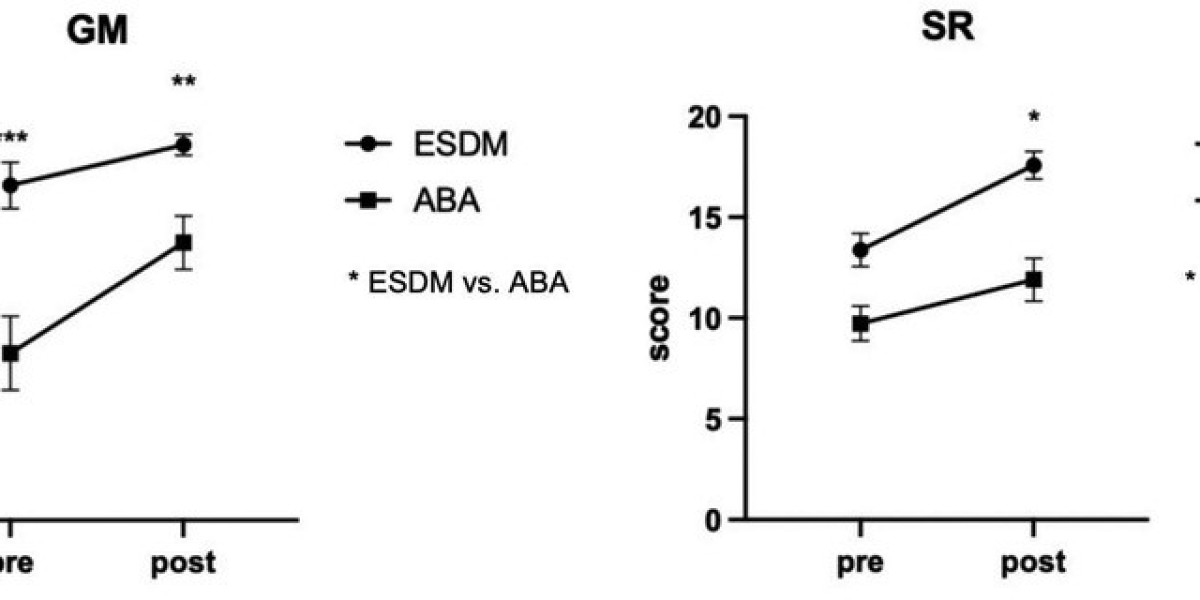
Researchers wanted to understand how children with autism change over time when receiving either ABA or ESDM therapy. They followed a group of children diagnosed with autism for several years, regularly assessing their development in areas like communication, social skills, and adaptive behavior (things like self-care and daily living skills). Some children received ABA therapy, while others received ESDM intervention. The researchers then compared the progress of the two groups.
What They Found (In Plain Language)
The study found that both ABA and ESDM therapies were associated with positive changes in children with autism over time. Children in both groups showed improvements in their communication and social skills. The researchers noted that the amount of progress varied among the children, and that some skills improved more than others. While there were some subtle differences in the patterns of improvement between the two groups, the overall conclusion was that both therapies can be effective in supporting development.
Why This Matters for Autism Families
This study is encouraging because it suggests that both ABA and ESDM can be valuable tools for supporting children with autism. For families trying to decide which therapy is right for their child, this research reinforces that both are evidence-based options. It also highlights the importance of early intervention and consistent therapy over several years.
Practical Implications
- Therapy: This study supports the use of both ABA and ESDM. Talk to your child's therapist about which approach might be the best fit, considering your child's individual needs and learning style.
- School: Share this information with your child's school team. Understanding the potential benefits of ABA and ESDM can help educators create a more supportive and effective learning environment.
- Daily Life: Remember that therapy is just one piece of the puzzle. Create opportunities for your child to practice their skills in everyday situations, such as playing with siblings or participating in family activities.
Important Limitations to Keep in Mind
It's important to remember that this is just one study, and like all research, it has limitations. The sample size was relatively small, which means the findings might not apply to all children with autism. Also, more research is needed to understand which specific aspects of ABA and ESDM are most effective, and for whom. Finally, this is a single study, and more research is always welcome to confirm and expand on these findings.
Want to Learn More?
You can read the full research paper here: Longitudinal changes in children with autism spectrum disorder following ABA therapy or ESDM intervention
Read the study: Frontiers in Pediatrics