
New Study: How ABA and ESDM Therapy Impact Autistic Children Over Time
As parents of autistic children, we're always looking for information to help us make the best decisions for our kids. A new study published in Frontiers in Pediatrics might be of interest to families considering Applied Behavior Analysis (ABA) or Early Start Denver Model (ESDM) therapy.
What the Researchers Studied
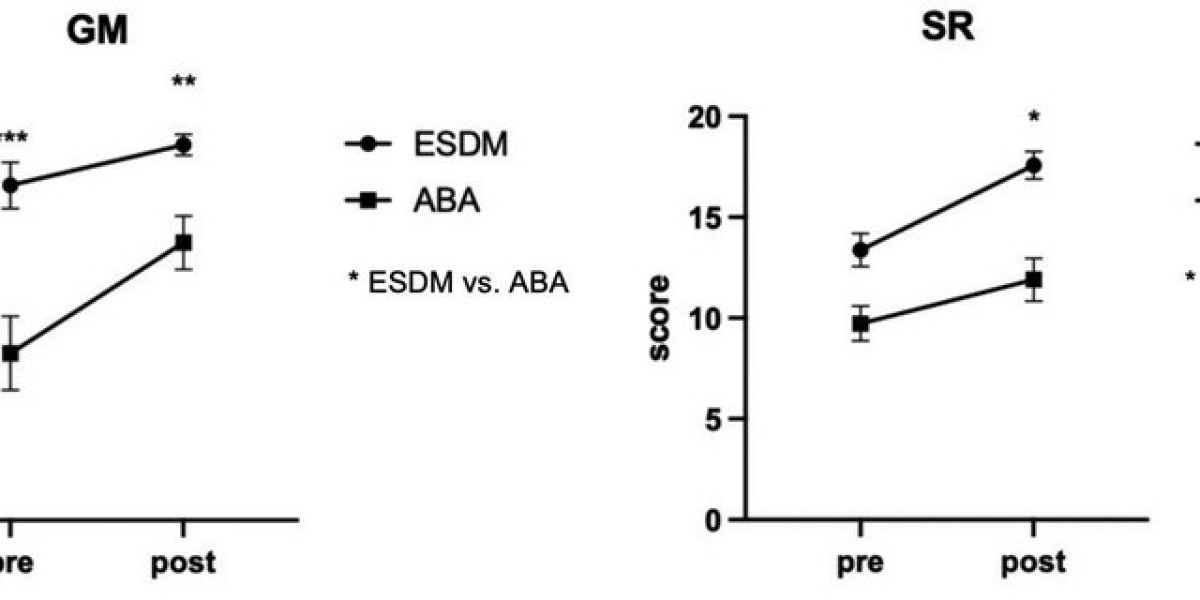
Researchers wanted to understand how ABA and ESDM therapy affect autistic children's development over a period of time. They followed a group of young autistic children who received either ABA or ESDM therapy for six months. The researchers measured different skills and behaviors at the beginning of the study and again after six months to see how the children changed.
What They Found
The study found that both ABA and ESDM therapy were associated with improvements in several areas. Children in both groups showed gains in communication skills, social interaction, and adaptive behaviors (like daily living skills). While both groups improved, the study didn't definitively say that one therapy was better than the other; both appeared to have a positive impact over the six-month period.
Why This Matters for Autism Families
This study is encouraging because it suggests that both ABA and ESDM can be effective interventions for autistic children. It reinforces the importance of early intervention and provides more evidence to support the use of these therapies. For families trying to decide which therapy is right for their child, this study highlights that both are viable options that can lead to positive outcomes.
Practical Implications
- Therapy: This study can help inform discussions with therapists and doctors about the potential benefits of ABA and ESDM. It provides evidence to support the use of these therapies as part of a comprehensive treatment plan.
- School: The improvements in communication and social skills observed in the study suggest that these therapies can help children be more successful in school settings.
- Daily Life: The gains in adaptive behaviors can make daily life easier for both the child and the family, as the child becomes more independent in activities like dressing, eating, and hygiene.
Important Considerations
It's important to remember that this is just one study, and it had some limitations. The study only followed children for six months, so we don't know how long these benefits last or whether they continue to improve over time. Also, the sample size was relatively small, which means the results might not apply to all autistic children. More research is needed to confirm these findings and to understand which factors might make one therapy more effective than the other for individual children. As always, it's crucial to consider your child's individual needs and preferences when making decisions about therapy.
Disclaimer: This blog post is for informational purposes only and should not be considered medical advice. Always consult with a qualified healthcare professional for any health concerns or before making any decisions related to your child's treatment.
You can read the original research paper here: Longitudinal changes in children with autism spectrum disorder following six months of ABA therapy or ESDM intervention
Read the study: Frontiers in Pediatrics