
New Study: How ABA and ESDM Therapies Impact Autistic Children Over Six Months
As parents of autistic children, we're always looking for information about what therapies might help our kids thrive. A new study published in Frontiers in Pediatrics (2025) investigated how two common therapies, Applied Behavior Analysis (ABA) and the Early Start Denver Model (ESDM), affected autistic children over a six-month period. Let's break down what they found.
What the Researchers Studied
Researchers wanted to see how autistic children's skills changed after receiving either ABA therapy or ESDM intervention for six months. They looked at several areas of development, including:
- Communication skills
- Social interaction
- Adaptive behavior (like daily living skills)
The study compared the progress of children receiving ABA to those receiving ESDM to see if one therapy led to significantly different outcomes over that time.
What They Found
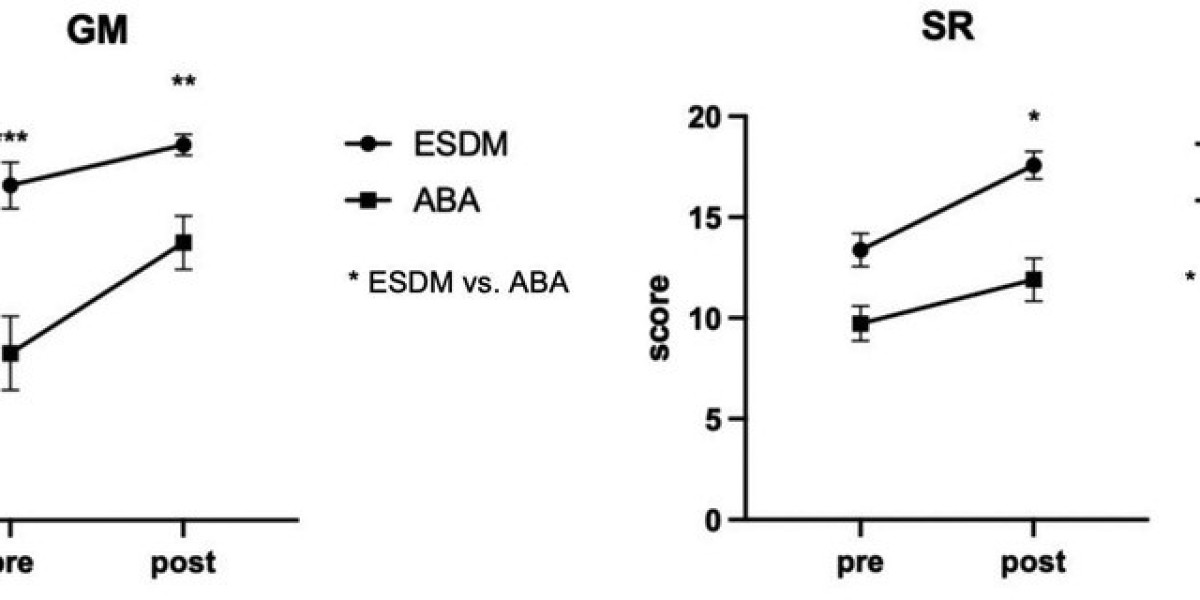
The study indicated that both ABA and ESDM therapies were associated with improvements in communication, social interaction, and adaptive behavior skills in autistic children after six months. Importantly, the researchers didn't find a significant difference in the *amount* of improvement between the two therapy types. This suggests that both therapies can be effective in supporting development.
Why This Matters for Autism Families
This research is helpful because it provides some evidence that both ABA and ESDM can be beneficial interventions for autistic children. Choosing the right therapy for your child is a big decision, and studies like this can help inform that process. Knowing that both approaches can lead to positive changes might empower you to focus on finding a therapy that best fits your child's individual needs and your family's values.
Practical Implications
So, what does this mean for your child's therapy, school, or daily life?
- Therapy: If you're considering ABA or ESDM, this study suggests both are viable options. Talk to therapists experienced in both methods and see which approach seems like a better fit for your child's learning style and preferences.
- School: Share this information with your child's school team. Understanding the potential benefits of both ABA and ESDM can help them support your child's development in the classroom, regardless of which therapy they are receiving outside of school.
- Daily Life: Remember that therapy is just one piece of the puzzle. Creating a supportive and understanding environment at home is crucial for your child's progress.
Limitations to Keep in Mind
It's important to remember that this is just one study, and like all research, it has limitations. For example, the study may have had a relatively small number of participants. Also, six months is a relatively short period to assess long-term outcomes. More research is needed to confirm these findings and explore the long-term effects of these therapies.
Ultimately, the best therapy for your child is the one that meets their individual needs and helps them reach their full potential. Talk to your child's doctor, therapists, and other professionals to make informed decisions about their care.
You can read the original research paper here: https://www.frontiersin.org/journals/pediatrics/articles/10.3389/fped.2025.1546001/full
Read the study: Frontiers in Pediatrics