
New Study: How ABA and ESDM Therapies Impact Autistic Children Over 6 Months
Navigating the world of autism therapies can feel overwhelming. A new study published in Frontiers in Pediatrics (2025) looked at how two common therapies, ABA (Applied Behavior Analysis) and ESDM (Early Start Denver Model), affected young autistic children over a six-month period. Let's break down what the researchers did and what they found, in a way that's easy to understand.
What the Researchers Studied
Researchers wanted to see how children with autism changed after receiving either ABA therapy or ESDM intervention for six months. They looked at a few key areas of development, including:
- Communication skills: How well children could express themselves and understand others.
- Social interaction: How children interacted with peers and adults.
- Adaptive behavior: How well children could perform everyday tasks like dressing, eating, and following instructions.
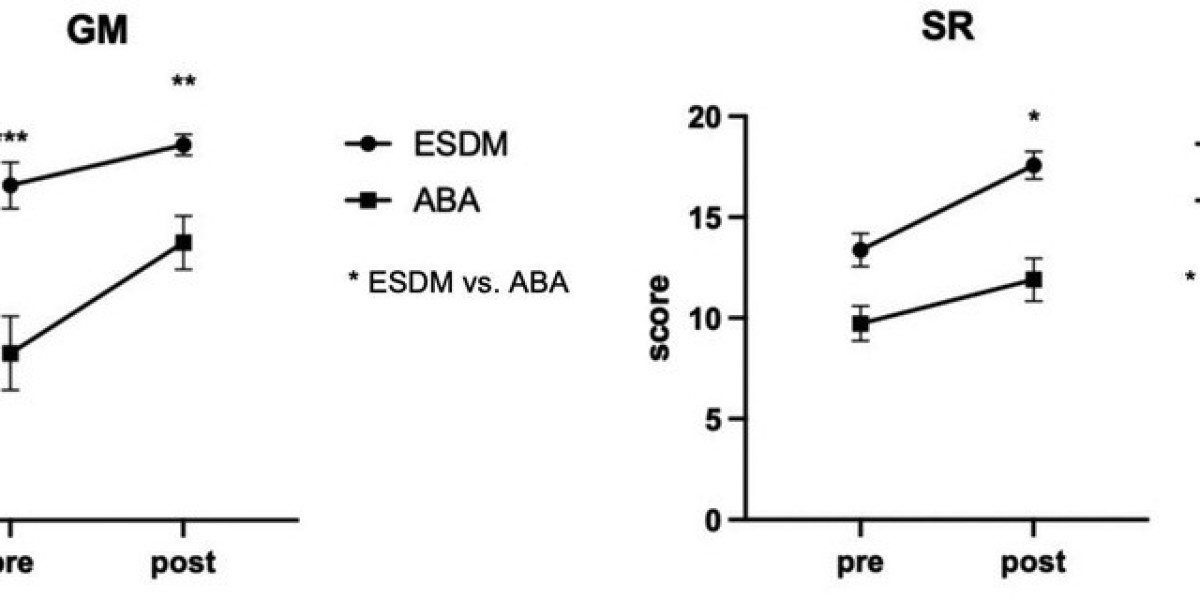
The study compared the progress of children receiving ABA to the progress of children receiving ESDM to see if one therapy led to significantly different outcomes over those six months.
What They Found
The study found that both ABA and ESDM therapies led to improvements in communication, social interaction, and adaptive behavior for most of the children involved. While both groups showed positive changes, the researchers noted some subtle differences. For example, one specific measure of adaptive behavior showed a slightly larger average increase in the ESDM group. However, it's important to note that these differences weren't huge, and both therapies appeared beneficial overall.
Why This Matters for Autism Families
This study is encouraging because it suggests that both ABA and ESDM can be effective interventions for young autistic children. It reinforces the idea that early intervention is crucial and that multiple therapeutic approaches can help children develop important skills.
Practical Implications
- Therapy Decisions: This study can help inform conversations with your child's therapists and doctors about which therapy approach might be the best fit. It highlights that both ABA and ESDM have the potential to be beneficial.
- School Planning: Understanding the potential benefits of these therapies can help you advocate for appropriate support and interventions in your child's school setting.
- Daily Life: The improvements in adaptive behavior seen in the study can translate to increased independence and participation in daily activities at home and in the community.
Important Considerations
It's important to remember that this is just one study, and like all research, it has limitations. The study only followed children for six months, so we don't know the long-term effects of these therapies. Also, the sample size wasn't huge, so the results might not apply to all autistic children. More research is always needed to confirm these findings and explore individual differences in response to therapy.
Every child is unique, and what works for one child may not work for another. It's crucial to work closely with qualified professionals to develop an individualized therapy plan that meets your child's specific needs and goals.
You can read the original research paper here: Longitudinal changes in children with autism spectrum disorder following six months of ABA therapy or ESDM intervention
Read the study: Frontiers in Pediatrics