
ABA vs. ESDM: New Research on Long-Term Outcomes for Autistic Children
Choosing the right therapy for your autistic child can feel overwhelming. Applied Behavior Analysis (ABA) and the Early Start Denver Model (ESDM) are two common approaches, and many parents wonder which is "better." A new study published in Frontiers in Pediatrics (2025) sheds some light on how children progress with each therapy over time.
What the Researchers Did
Researchers followed a group of autistic children over several years. Some children received ABA therapy, while others received ESDM intervention. The researchers wanted to see how the children changed in several areas, including:
- Language skills
- Social skills
- Adaptive behavior (like daily living skills)
- Cognitive abilities
What They Found
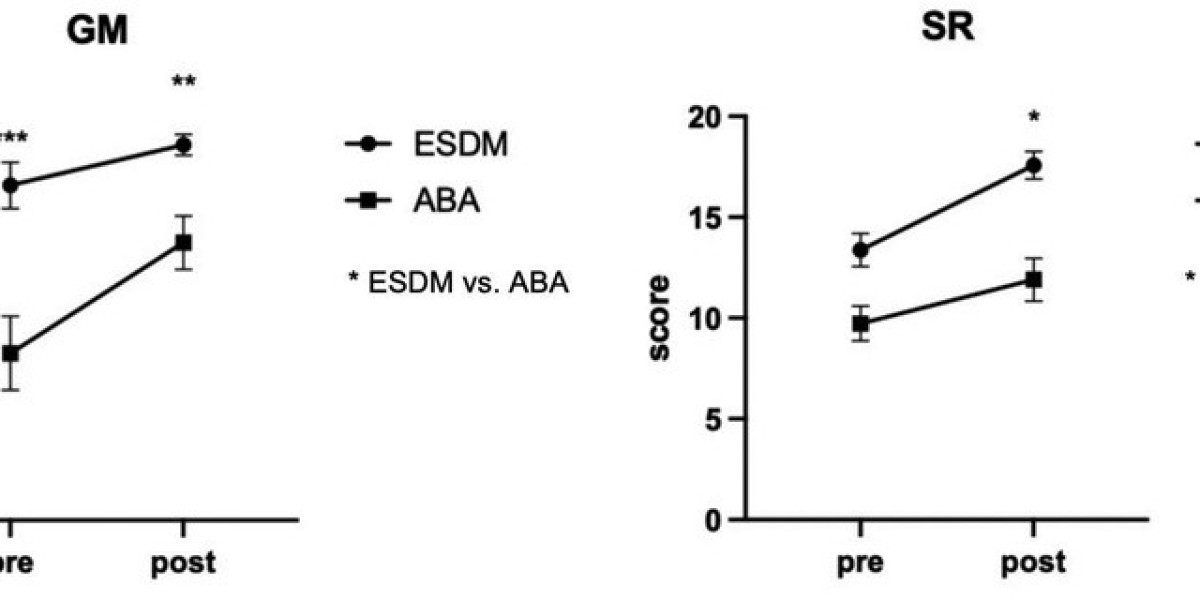
The study found that both ABA and ESDM were associated with improvements in all areas measured over time. Importantly, the researchers reported that children in both groups showed significant gains in language and adaptive behavior. While both groups improved, the study suggested a possible trend where children receiving ESDM showed slightly greater gains in social communication skills. However, these differences were not statistically significant, meaning they could have been due to chance.
Why This Matters for Autism Families
This study reinforces that both ABA and ESDM can be effective interventions for autistic children. It suggests that both therapies can lead to positive changes in key developmental areas like language and daily living skills. The potential trend toward slightly better social communication outcomes with ESDM, while not definitive, is something to consider when discussing therapy options with your child's team.
Practical Implications
- Therapy Decisions: This research can help inform your discussions with therapists and doctors about the best approach for your child. It highlights that both ABA and ESDM are viable options.
- Individualized Approach: Remember that every child is different. What works well for one child may not be the best fit for another. Consider your child's individual needs, strengths, and preferences when choosing a therapy.
- Focus on Progress: The study emphasizes the importance of tracking your child's progress over time, regardless of the specific therapy approach. Regular assessments can help you and your team adjust the intervention as needed.
- School Applications: Understanding the core tenets of each therapy can help you advocate for appropriate supports and services within your child's educational setting.
Important Considerations
It's important to remember that this is just one study, and more research is always needed. The sample size was relatively small, which means the results may not apply to all autistic children. Also, the study only looked at two specific interventions (ABA and ESDM), and there are many other therapies that can be beneficial. It is important to note that the study does not define the specific ABA or ESDM methodologies used, which can vary widely.
The Bottom Line
This study provides valuable information for parents considering ABA or ESDM for their autistic children. It suggests that both therapies can be effective, and the best approach will depend on your child's individual needs and preferences. Always consult with qualified professionals to develop a personalized treatment plan.
You can find the original research paper here: Longitudinal changes in children with autism spectrum disorder following ABA therapy or ESDM intervention: a comparative study
Read the study: Frontiers in Pediatrics