
ABA vs. ESDM: New Research on Long-Term Outcomes
As parents of autistic children, we're always looking for information about what therapies might be most effective. A new study published in Frontiers in Pediatrics (2025) looked at how two common interventions, Applied Behavior Analysis (ABA) and the Early Start Denver Model (ESDM), affected autistic children over time.
What the Researchers Studied
Researchers wanted to see how children with autism changed over several years after receiving either ABA therapy or ESDM intervention. They followed a group of young autistic children who started either ABA or ESDM. The researchers measured different skills and abilities of the children at the beginning of the study and then again after a few years of intervention. This allowed them to see how the children's skills changed over time with each type of intervention.
What They Found
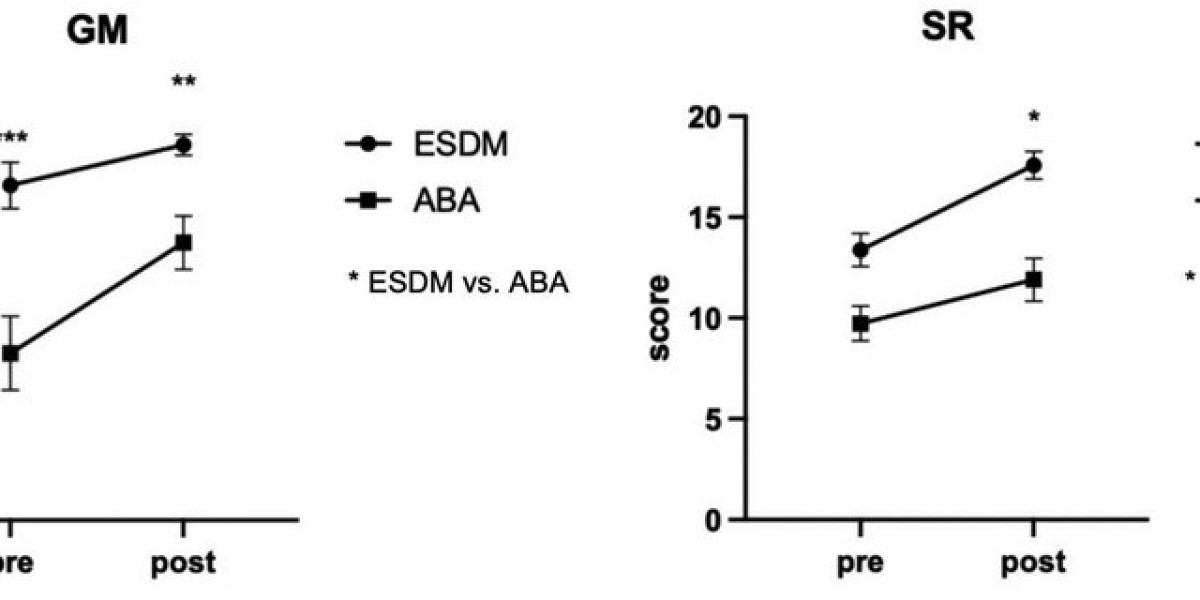
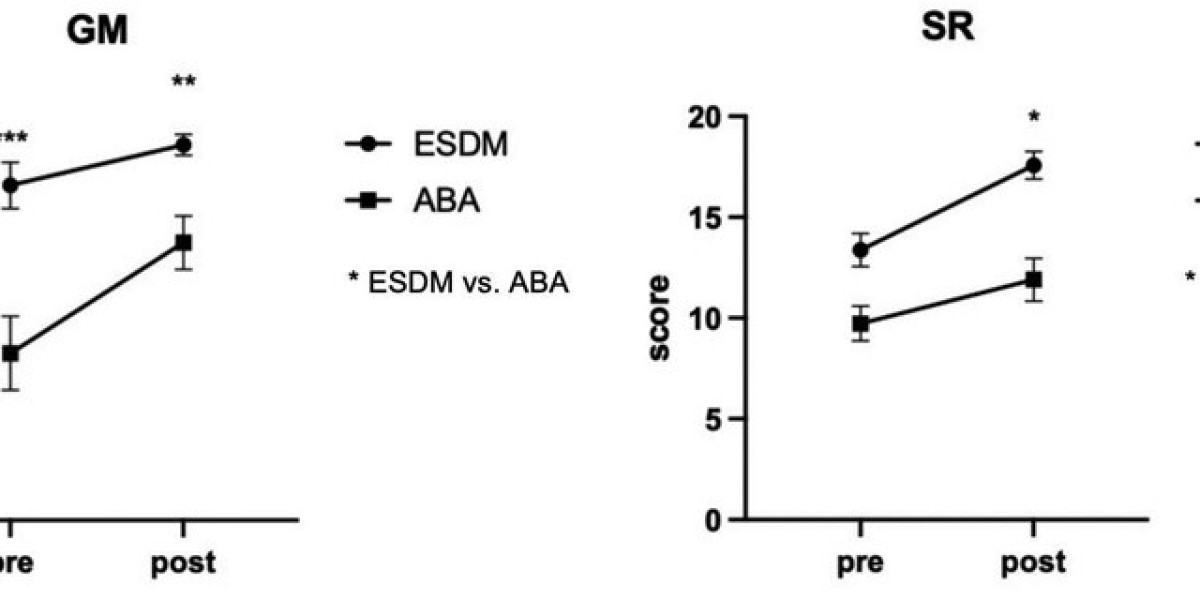
The study found that both ABA and ESDM were associated with positive changes in the children's development over time. Specifically, children in both groups showed improvements in communication, social skills, and adaptive behavior (things like daily living skills). While both groups improved, the study suggested that children receiving ESDM may have shown slightly greater gains in social communication skills compared to those receiving ABA. However, it's important to note that these differences were small and not statistically significant, meaning they could have been due to chance.
Why This Matters for Autism Families
This research is important because it provides more information about the potential long-term benefits of ABA and ESDM. Knowing that both interventions can lead to positive outcomes can help families feel more confident in their choices. The potential slight edge for ESDM in social communication, if confirmed by further research, could be a factor for parents to consider when choosing a therapy approach, especially for those prioritizing social skills development.
Practical Implications
- Therapy Decisions: This study reinforces that both ABA and ESDM can be effective interventions. Talk to your child's therapists and doctors to determine which approach best fits your child's individual needs and learning style.
- School Settings: Understanding the strengths of each approach can help advocate for appropriate support in school. For example, if your child is receiving ABA, you might discuss incorporating more social communication activities into their school day.
- Daily Life: Regardless of the chosen therapy, continue to reinforce skills learned in therapy at home and in the community. Consistent practice is key for long-term progress.
Important Limitations
It's crucial to remember that this is just one study, and more research is needed. The sample size was relatively small, which means the results might not apply to all autistic children. Also, the study acknowledges that there may be differences in the quality of ABA and ESDM implementation across different settings, which could influence the outcomes. Further research with larger groups of children is needed to confirm these findings and explore the nuances of each intervention.
Want to Learn More?
You can read the original research paper here: Longitudinal changes in children with autism spectrum disorder following ABA therapy or ESDM intervention: a comparative study
Read the study: Frontiers in Pediatrics