
Understanding the Evidence for ABA Therapy in Young Autistic Children
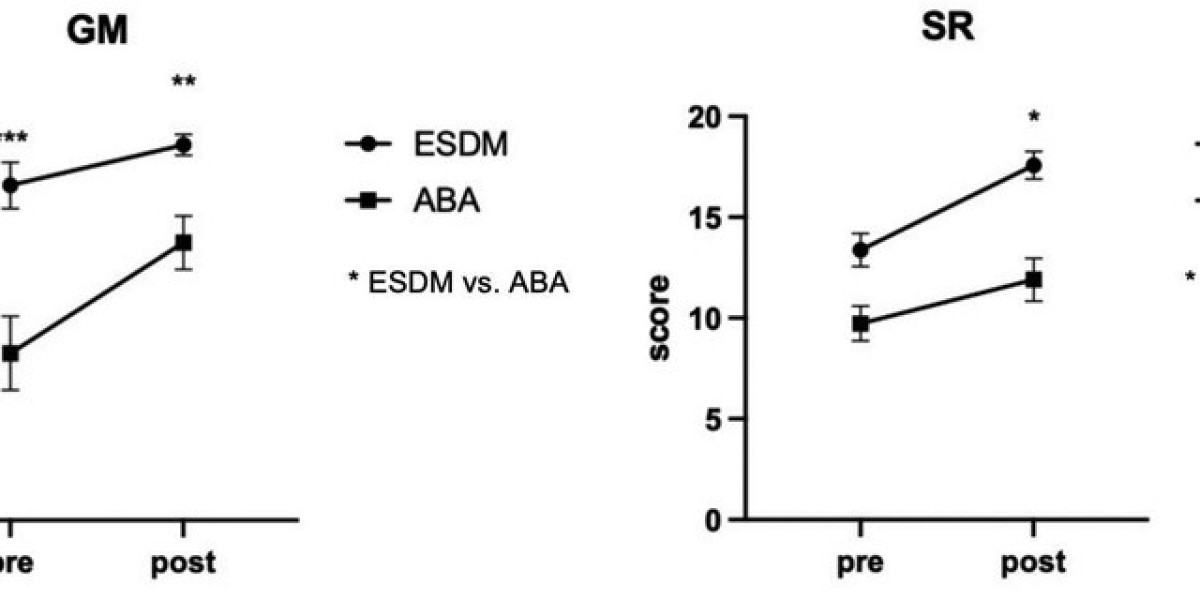
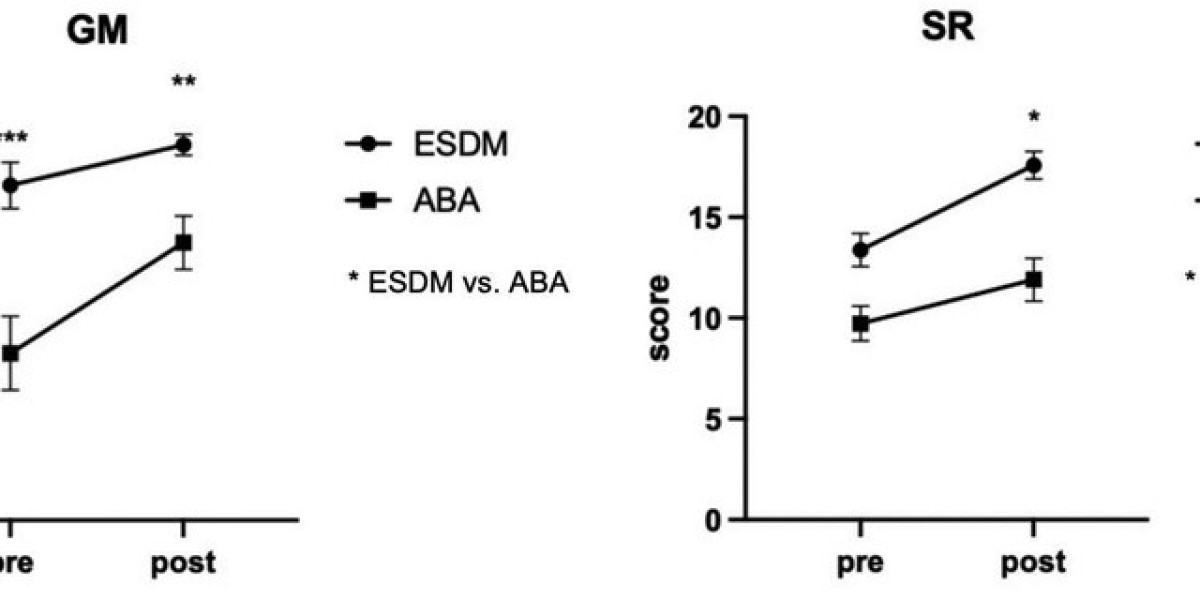
As parents, we all want what's best for our children. When it comes to autism, navigating the world of therapies and interventions can feel overwhelming. Applied Behavior Analysis (ABA) therapy is a common approach, and it's natural to have questions about its effectiveness. A recent review by the Association for Science in Autism Treatment (ASAT) examined the evidence for ABA therapy in young children with autism. Let's break down what they found, in a way that's easy to understand.
What Did the Researchers Study?
The ASAT review looked at existing research on ABA therapy for young children with autism. They wanted to understand:
- How well ABA therapy works to improve different skills in young autistic children.
- What the research tells us about the benefits of ABA.
What Did They Find?
The review found that:
- There is research supporting the use of ABA therapy for young children with autism.
- ABA therapy can be effective in improving skills like communication, social interaction, and daily living skills.
Why Does This Matter for Autism Families?
This review is important because it helps families make informed decisions about treatment options. Knowing that there's research supporting ABA therapy can give you confidence when considering different interventions for your child. It's a tool to help you advocate for your child's needs and understand what to expect from therapy.
Practical Implications
So, what does this mean for therapy, school, and daily life?
- Therapy: If you're considering ABA therapy, this review suggests it can be a helpful approach. Talk to therapists about their experience and how they tailor ABA to your child's specific needs.
- School: Understanding the potential benefits of ABA can help you collaborate with your child's school to implement effective strategies in the classroom.
- Daily Life: ABA principles can be used at home to support your child's learning and development. A therapist can guide you on how to use these techniques in everyday situations.
Important Considerations
It's important to remember that every child is different, and what works for one child may not work for another. Also, while this review found evidence supporting ABA, it's crucial to remember that this is just one piece of the puzzle. Always consult with qualified professionals to determine the best course of action for your child.
Want to Learn More?
You can read the full review on the ASAT website:
Read the study: Association for Science in Autism Treatment (ASAT)