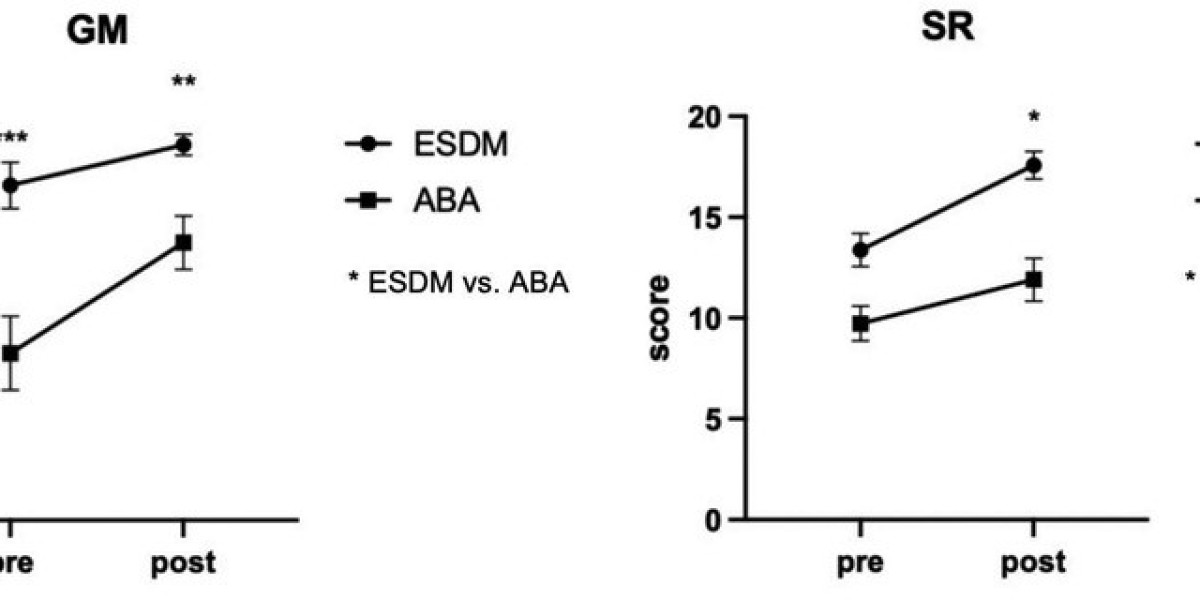

New Study: How ABA and ESDM Therapies Impact Autistic Children Over Six Months
As parents of autistic children, we're always looking for information about effective therapies. A new study published in Frontiers in Pediatrics (2025) examined how two common interventions, Applied Behavior Analysis (ABA) and the Early Start Denver Model (ESDM), affected children with autism over a six-month period. Let's break down what the researchers did and what they found.
What the Researchers Studied
Researchers wanted to see how autistic children changed after receiving either ABA therapy or ESDM intervention for six months. They looked at several areas of development, including:
- Communication skills: How well children could express themselves and understand others.
- Social interaction: How children engaged with others in social situations.
- Adaptive behavior: How well children could perform everyday tasks like dressing, eating, and following routines.
- Cognitive abilities: Thinking, learning, and problem-solving skills.
The study compared the progress of children receiving ABA to those receiving ESDM to see if there were noticeable differences between the two approaches over the six-month period.
What the Researchers Found
The study found that both ABA and ESDM interventions led to improvements in communication, social interaction, and adaptive behavior in the children who participated. Importantly, the researchers reported that both groups showed statistically significant improvements in all measured areas after six months. The study did not find significant differences in outcomes between the ABA and ESDM groups. This suggests both therapies can be effective in supporting development.
Why This Matters for Autism Families
This study provides further evidence that both ABA and ESDM can be valuable tools for supporting autistic children. It's encouraging to see research suggesting that multiple therapeutic approaches can lead to positive outcomes. This information can empower parents to work with their care teams to choose the therapy approach that best fits their child's individual needs and family preferences.
Practical Implications
- Therapy: This study reinforces the importance of early intervention. If you're considering therapy for your child, ABA and ESDM are both evidence-based options to discuss with your doctor or therapist.
- School: Understanding the potential benefits of ABA and ESDM can help you advocate for these approaches within your child's educational setting, if appropriate.
- Daily Life: The improvements in adaptive behavior highlight the potential for these therapies to help children become more independent in their daily routines.
Important Considerations
It's important to remember that this is just one study, and further research is always needed. While the study showed positive results, it's crucial to remember that every child is different, and what works for one child may not work for another. Also, keep in mind that this study only looked at outcomes over six months; longer-term studies are needed to understand the sustained impact of these therapies. Finally, remember that the sample size of the study may have been small, which can limit the generalizability of the findings.
Always consult with qualified professionals to determine the best course of action for your child.
You can read the full research paper here: Longitudinal changes in children with autism spectrum disorder following six months of ABA therapy or ESDM intervention
Read the study: Frontiers in Pediatrics