
New Study: How ABA and ESDM Therapy Impact Kids with Autism Over 6 Months
As parents, we're always looking for information about what therapies might help our children thrive. A new study published in Frontiers in Pediatrics (2025) investigated how two common therapies, Applied Behavior Analysis (ABA) and the Early Start Denver Model (ESDM), affected children with autism over a six-month period.
What the Researchers Studied
Researchers wanted to see how kids with autism changed after receiving either ABA therapy or ESDM intervention for six months. They looked at several things, including:
- Adaptive behavior: Skills needed for daily living, like communication, social skills, and self-care.
- Autism symptoms: Core characteristics of autism, such as social interaction difficulties and repetitive behaviors.
The researchers compared the progress of children receiving ABA to those receiving ESDM to see if there were noticeable differences in their development over the six-month period.
What They Found
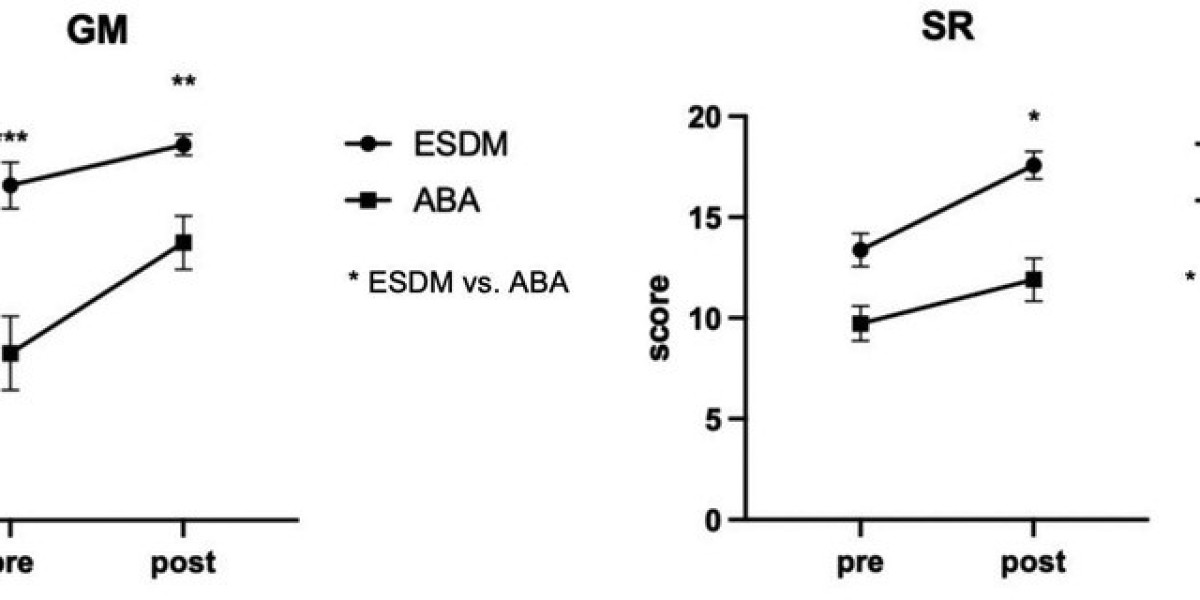
The study found that both ABA and ESDM therapy were associated with improvements in adaptive behavior and a reduction in autism symptoms over the six-month period. In other words, children in both groups showed positive changes! The study did not find significant differences in the *amount* of improvement between the two groups. Both therapies seemed to be helpful.
Why This Matters for Autism Families
This study is encouraging because it suggests that both ABA and ESDM can be effective interventions for children with autism. This is important because:
- It reinforces the value of early intervention.
- It gives parents more confidence in choosing a therapy that best fits their child's needs and family values.
- It highlights the importance of consistent and dedicated therapy over a sustained period.
Practical Implications
What does this mean for your child's therapy, school, or daily life? Here are a few takeaways:
- Therapy Decisions: If you're considering ABA or ESDM, this study suggests both can be beneficial. Talk to professionals to determine which approach aligns best with your child's strengths, needs, and learning style.
- Early Intervention: The earlier you start therapy, the better. Early intervention can have a significant impact on your child's development.
- Consistency is Key: This study looked at changes over six months. Consistent participation in therapy is crucial for seeing progress.
For example, if your child is struggling with social interactions, both ABA and ESDM could help them learn new social skills. If your child has difficulty with daily living skills, such as getting dressed or brushing their teeth, both therapies can be tailored to address these specific needs.
Important Limitations
It's important to remember that this is just one study, and like all research, it has limitations:
- Sample Size: The study involved a limited number of participants, so the results might not apply to all children with autism.
- Short Timeframe: Six months is a relatively short period. Longer-term studies are needed to understand the lasting effects of these therapies.
- Other Factors: Many factors can influence a child's development, including genetics, family support, and access to other resources. These factors weren't fully controlled in the study.
Therefore, while the findings are encouraging, it's essential to interpret them cautiously and consider them alongside other research and your own child's unique circumstances.
Want to Learn More?
You can read the original research paper here: https://www.frontiersin.org/journals/pediatrics/articles/10.3389/fped.2025.1546001/full
Read the study: Frontiers in Pediatrics