
New Study: How Do ABA and ESDM Therapies Affect Kids with Autism Over Time?
Choosing the right therapy for your child with autism can feel overwhelming. A new study published in Frontiers in Pediatrics (2025) looked at how two common therapies, Applied Behavior Analysis (ABA) and the Early Start Denver Model (ESDM), affect children with autism over several years. Let's break down what the researchers did and what they found, in a way that's easy to understand.
What Did the Researchers Study?
Researchers wanted to see how kids with autism changed over time when receiving either ABA or ESDM therapy. They followed a group of children diagnosed with autism spectrum disorder (ASD) who were receiving one of these two interventions. The researchers measured things like:
- Language skills: How well the children could understand and use language.
- Social skills: How they interacted with others.
- Adaptive behavior: Their ability to handle everyday tasks like dressing or eating.
- Cognitive abilities: Thinking and learning skills.
The study tracked these skills over a period of several years to see if there were differences in how children progressed depending on which therapy they received.
What Did They Find?
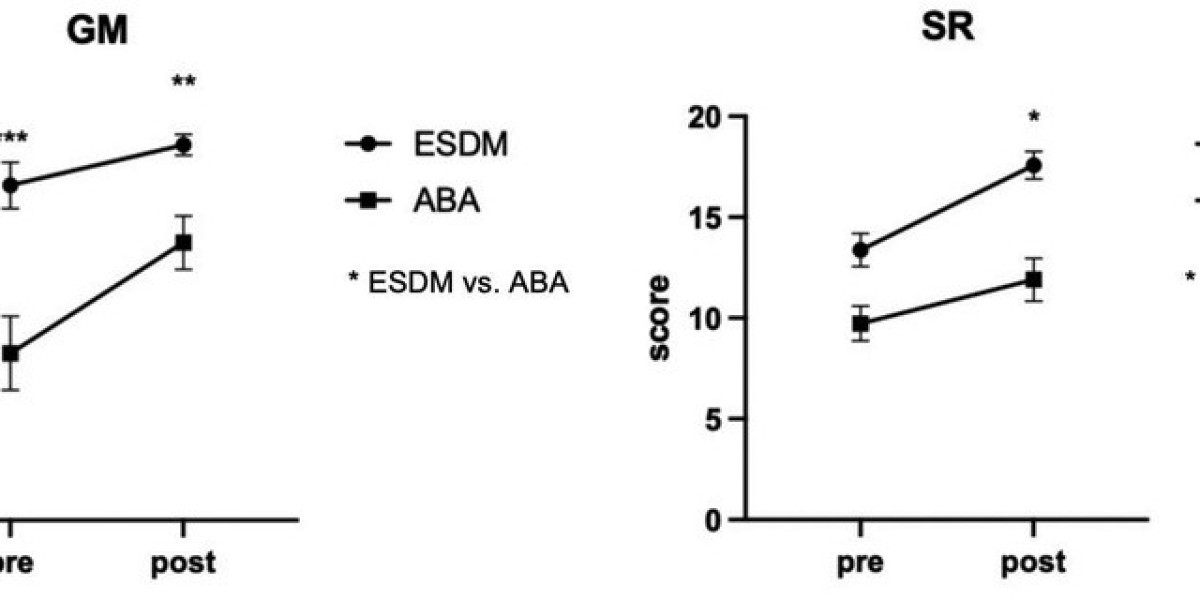
The study found that both ABA and ESDM therapies were associated with improvements in language, social skills, adaptive behavior, and cognitive abilities over time. This is great news! It suggests that both therapies can be effective in supporting the development of children with autism.
Interestingly, the study also suggested some potential differences in the *rate* of improvement. While both groups improved, the researchers noted that children receiving ABA therapy showed a slightly faster initial improvement in some areas, particularly in adaptive behavior. However, these differences seemed to lessen over the long term, with both groups showing similar progress after several years.
Why Does This Matter for Autism Families?
This study provides more evidence that both ABA and ESDM can be valuable interventions for children with autism. It can help families feel more confident in choosing a therapy that aligns with their child's needs and their family's values. The finding that both therapies lead to improvements across multiple areas is encouraging.
Practical Implications
- Therapy Decisions: This study reinforces the importance of early intervention. Both ABA and ESDM can be effective, so discuss both options with your child's doctor and therapists to determine the best fit.
- Individualized Approach: Remember that every child is different. What works well for one child may not be the best approach for another. Regular monitoring and adjustments to the therapy plan are crucial.
- Long-Term Perspective: The study highlights the importance of a long-term commitment to therapy. While some initial differences might be observed, both ABA and ESDM can lead to significant progress over time.
Important Considerations
It's important to remember that this is just one study. While the results are promising, there are limitations to consider:
- Sample Size: The study involved a limited number of participants, so the findings may not apply to all children with autism.
- Further Research: More research is needed to confirm these findings and to explore the specific factors that might influence the effectiveness of each therapy for different individuals.
Always consult with qualified professionals to make informed decisions about your child's care.
You can read the original research paper here: Frontiers in Pediatrics - Longitudinal changes in children with autism spectrum disorder following ABA therapy or ESDM intervention
Read the study: Frontiers in Pediatrics