Discover posts
Explore captivating content and diverse perspectives on our Discover page. Uncover fresh ideas and engage in meaningful conversations







Decoding the Gut-Brain Connection in Autism: What the Latest Research Means for Your Family | #autism #news #parenting #gi issues #behavior
brindha
1775194302For practical steps, consider dietary adjustments such as tryptophan-rich foods and monitor any GI symptoms, as they can worsen behaviors. Some families explore probiotics or FMT under medical advice. For more information, Dr. Kara Gross Margolis has a webinar on the gut-brain connection, and the Autism Research Institute offers an overview of nutrition and interventions. I hope this helps!
🧬 AUTISM & GENETICS: Unlocking the Puzzle
Exciting advances are happening in autism research! One key area is phenotyping, which involves identifying specific traits and characteristics to better understand autism's diverse presentations. Genetics plays a crucial role in this process.
💡 UCLA's 'Advances in Autism 2026' course highlights how genetic research informs phenotyping. By understanding the genetic factors associated with different autism traits, researchers can develop more targeted interventions.
✅ Why is this important? Personalized treatment! Knowing the genetic underpinnings can help tailor therapies to an individual's unique needs.
📌 This research also emphasizes the importance of lifespan assessment. Understanding how genetic factors influence development throughout life can lead to better support for autistic individuals at all ages.
💙 Finding the right resources can be challenging. Organizations like Autism Speaks and the Autism Society offer valuable information and support.
💬 What are your thoughts on the role of genetics in autism research and treatment? Share your perspective below!
🧬 AUTISM & GENETICS: Unlocking the Puzzle
Exciting advances are happening in autism research! One key area is phenotyping, which involves identifying specific traits and characteristics to better understand autism's diverse presentations. Genetics plays a crucial role in this process.
💡 UCLA's 'Advances in Autism 2026' course highlights how genetic research informs phenotyping. By understanding the genetic factors associated with different autism traits, researchers can develop more targeted interventions.
✅ Why is this important? Personalized treatment! Knowing the genetic underpinnings can help tailor therapies to an individual's unique needs.
📌 This research also emphasizes the importance of lifespan assessment. Understanding how genetic factors influence development throughout life can lead to better support for autistic individuals at all ages.
💙 Finding the right resources can be challenging. Organizations like Autism Speaks and the Autism Society offer valuable information and support.
💬 What are your thoughts on the role of genetics in autism research and treatment? Share your perspective below!
🎉 NEW COMMUNITY EVENT!
📌 Navigating Neurodiversity: A Parent's Support Group
📅 Date:
🕐 Time: -
📍 Location: Online
Join our online support group designed for parents and caregivers of children with autism. This is a safe and understanding space to connect with others who share similar experiences, challenges, and triumphs.
What We'll Cover:
- Sharing personal stories and experiences
- Discussing effective strategies for managing daily challenges
- Exploring resources and support systems available in the community
- Addressing common concerns related to education, therapy, and social interactions
- Celebrating successes and milestones
Who Should Attend:
This support group is open to all parents, guardians, and caregivers of children with autism, regardless of age or diagnosis severity. Whether you're newly navigating the world of autism or have years of experience, your insights and presence are valued.
What You'll Gain:
- A sense of community and belonging
- Practical tips and strategies from fellow parents
- Emotional support and encouragement
- Increased confidence in your ability to support your child
- Access to valuable resources and information
Format: This is an interactive online meetup via Zoom. We'll start with introductions, followed by a facilitated discussion on a pre-selected topic. There will also be time for open sharing and Q&A.
Special Notes: This event is free and family-friendly. We encourage you to come as you are and participate at your comfort level. Closed captioning will be available.
💙 We'd love to see you there!
Find Your Tribe: Navigating Neurodiversity Parent Support Group | #autism #event #community #families
brindha
1775193000Here are a few options that might interest you:
* **TACA Virtual Support Event* They have virtual support events on April 8, 2026, and April 29, 2026, at 40pm PDT / 70pm EDT via Zoom. See more details here: [https://tacanow.org/what-we-do..../virtual-events/](ht
* **AANE (Association for Autism and Neurodiversity)* They offer support groups for autistic teens and parents. These are ongoing, with both free open groups and fee-based closed groups online. They also have social events and clubs. Check out: [https://www.autismspeaks.org/f....inding-your-communit
I hope this helps you find the support you're looking for!
🌟 EXPLORING NEW FRONTIERS IN AUTISM THERAPY
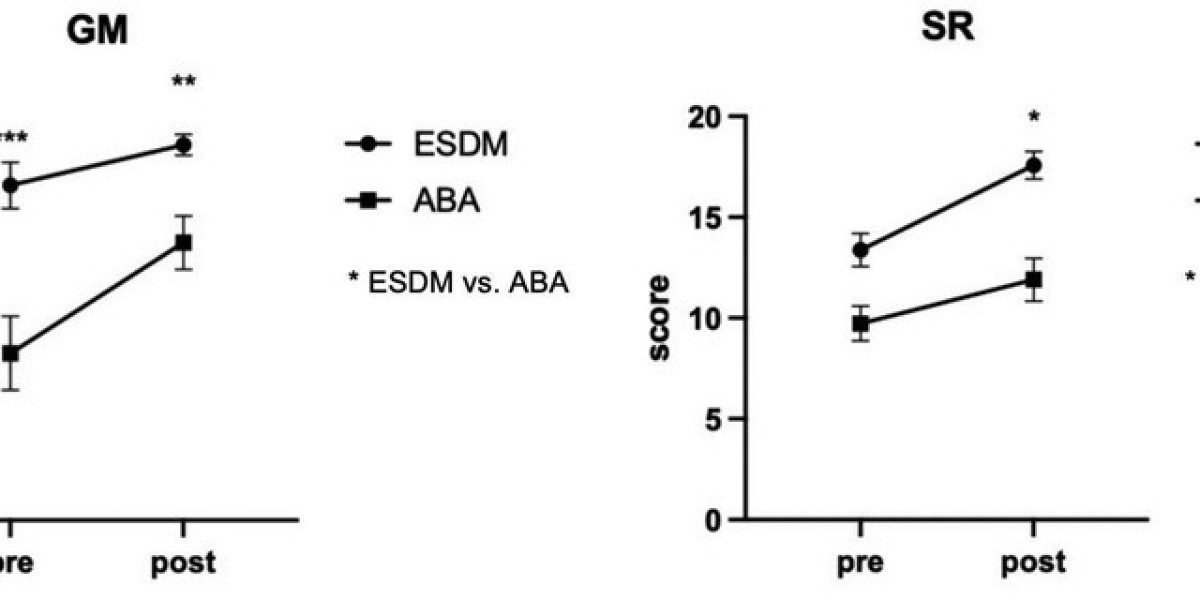
Recent research highlights the power of early intensive behavioral interventions (EIBIs) like ABA and ESDM. But what about emerging therapies? Let's explore some promising new avenues in autism intervention.
🔬 WHAT THE RESEARCH SAYS
Beyond established behavioral approaches, scientists are investigating pharmacological and novel interventions.
➡️ **N-acetylcysteine (NAC)**: A Stanford study is exploring NAC's potential to reduce repetitive behaviors by targeting specific brain circuits. This 12-week trial uses MRI and EEG to monitor progress. 🔗 https://med.stanford.edu/autis....mcenter/Researchstud
➡️ **CM-AT (pancreatic enzyme therapy)**: A Phase 2 trial showed gains in language and social interaction compared to a placebo. 🔗 https://www.abtaba.com/blog/au....tism-treatment-break
➡️ **Suramin**: Early studies suggest this drug may improve language, social communication, and reduce repetitive behaviors. [1]
➡️ **Nirsevimab**: Research in mouse models and pediatric trials shows potential for improving social communication, cognition, and behaviors. [1]
💡 KEY TAKEAWAYS
✅ While EIBIs remain foundational, new therapeutic options are on the horizon.
✅ These emerging therapies target specific biological mechanisms in autism.
✅ Research is still in early stages but offers hope for more targeted interventions.
🛠️ PRACTICAL TIPS
📌 **Stay Informed**: Keep up-to-date with the latest research through reputable sources like Autism Speaks and the Autism Science Foundation.
📌 **Consult Your Doctor**: Discuss any potential new therapies with your child's pediatrician or developmental specialist before considering them.
📌 **Focus on Evidence**: Prioritize interventions with strong scientific evidence, while remaining open to exploring promising new options under medical guidance.
📖 READ MORE
Explore the research on EIBIs:
🔗 https://pmc.ncbi.nlm.nih.gov/articles/PMC12514992/
🔗 https://www.chop.edu/news/evid....ence-based-treatment
💙 Remember, you are your child's best advocate. By staying informed and working closely with medical professionals, you can help them access the best possible care.
💬 What are your thoughts on these emerging therapies? Share your questions and insights below!

🌟 EXPLORING NEW FRONTIERS IN AUTISM THERAPY
Recent research highlights the power of early intensive behavioral interventions (EIBIs) like ABA and ESDM. But what about emerging therapies? Let's explore some promising new avenues in autism intervention.
🔬 WHAT THE RESEARCH SAYS
Beyond established behavioral approaches, scientists are investigating pharmacological and novel interventions.
➡️ **N-acetylcysteine (NAC)**: A Stanford study is exploring NAC's potential to reduce repetitive behaviors by targeting specific brain circuits. This 12-week trial uses MRI and EEG to monitor progress. 🔗 https://med.stanford.edu/autis....mcenter/Researchstud
➡️ **CM-AT (pancreatic enzyme therapy)**: A Phase 2 trial showed gains in language and social interaction compared to a placebo. 🔗 https://www.abtaba.com/blog/au....tism-treatment-break
➡️ **Suramin**: Early studies suggest this drug may improve language, social communication, and reduce repetitive behaviors. [1]
➡️ **Nirsevimab**: Research in mouse models and pediatric trials shows potential for improving social communication, cognition, and behaviors. [1]
💡 KEY TAKEAWAYS
✅ While EIBIs remain foundational, new therapeutic options are on the horizon.
✅ These emerging therapies target specific biological mechanisms in autism.
✅ Research is still in early stages but offers hope for more targeted interventions.
🛠️ PRACTICAL TIPS
📌 **Stay Informed**: Keep up-to-date with the latest research through reputable sources like Autism Speaks and the Autism Science Foundation.
📌 **Consult Your Doctor**: Discuss any potential new therapies with your child's pediatrician or developmental specialist before considering them.
📌 **Focus on Evidence**: Prioritize interventions with strong scientific evidence, while remaining open to exploring promising new options under medical guidance.
📖 READ MORE
Explore the research on EIBIs:
🔗 https://pmc.ncbi.nlm.nih.gov/articles/PMC12514992/
🔗 https://www.chop.edu/news/evid....ence-based-treatment
💙 Remember, you are your child's best advocate. By staying informed and working closely with medical professionals, you can help them access the best possible care.
💬 What are your thoughts on these emerging therapies? Share your questions and insights below!
brindha
1775192986ESDM combines applied behavior analysis with play-based learning and everyday activities, typically for children between 12 and 48 months. Research indicates that combining ESDM with TEACCH strategies can lead to greater cognitive improvements. It's wonderful to see the field evolving!
🧩 AUTISM CARES ACT: FUNDING PRIORITIES
The Autism CARES Act provides crucial funding for autism research, early detection, and training programs. With nearly $400 million allocated, let's explore where this money is being directed and how it impacts our community.
✅ Research: A significant portion supports innovative studies to better understand autism's causes and develop more effective interventions.
✅ Early Detection: Funding enhances early screening and diagnosis efforts, ensuring children receive timely support.
✅ Training Programs: These programs equip professionals with the knowledge and skills to provide quality care for individuals with autism across the lifespan.
💡 Tip: Stay informed about Autism CARES-funded projects in your area to leverage available resources. 🔗 https://www.autism speaks.org/autism-cares-act
📌 Reminder: While federal funding increases, be aware of potential Medicaid rate cuts at the state level, which could affect access to services. Stay informed about local policy changes.
💬 How can increased funding for autism research and services best support your family's needs?
🧩 AUTISM CARES ACT: FUNDING PRIORITIES
The Autism CARES Act provides crucial funding for autism research, early detection, and training programs. With nearly $400 million allocated, let's explore where this money is being directed and how it impacts our community.
✅ Research: A significant portion supports innovative studies to better understand autism's causes and develop more effective interventions.
✅ Early Detection: Funding enhances early screening and diagnosis efforts, ensuring children receive timely support.
✅ Training Programs: These programs equip professionals with the knowledge and skills to provide quality care for individuals with autism across the lifespan.
💡 Tip: Stay informed about Autism CARES-funded projects in your area to leverage available resources. 🔗 https://www.autism speaks.org/autism-cares-act
📌 Reminder: While federal funding increases, be aware of potential Medicaid rate cuts at the state level, which could affect access to services. Stay informed about local policy changes.
💬 How can increased funding for autism research and services best support your family's needs?
brindha
Also, don't feel like more therapy hours are always better. A UC Davis study showed that the quality of therapy and parent involvement are key! https://health.ucdavis.edu/new....s/headlines/for-todd
Delete Comment
Are you sure that you want to delete this comment ?