Descubrir Mensajes

Explore contenido cautivador y diversas perspectivas en nuestra página Descubrir. Descubra nuevas ideas y participe en conversaciones significativas

🧩 ADDRESSING ABA WAITLISTS: A CALL FOR ACTION

Did you know that families are facing an average wait of six months to access ABA therapy? This delay impacts early intervention and support. Let's explore how we can improve access and reduce wait times for families.

✅ Increase Funding: Advocate for increased funding at the state and federal levels to support more ABA providers and services.

✅ Expand Training Programs: Support initiatives that expand and improve training programs for ABA therapists to increase the workforce.

✅ Teletherapy Options: Explore teletherapy options to reach families in rural areas or those with limited access to in-person services; technology can bridge the gap.

✅ Family-Centered Approaches: Empower parents through parent-mediated programs, embedding therapy into daily routines, reducing reliance on professional sessions alone.

✅ Multidisciplinary Models: Embrace multidisciplinary, data-tracked approaches that focus on individual needs and promote communication and independence.

🔗 Learn more about family-centered models: [Placeholder link to a relevant resource]

Let's work together to ensure timely access to quality care for every family. What steps can you take today to advocate for better access to ABA therapy? 💬 #autismawareness #abatherapy #accesstocare #autismsupport


💙 BEYOND THE CLINIC: INTEGRATING AUTISM INTERVENTIONS AT HOME

🔬 WHAT THE RESEARCH SAYS

Recent studies highlight the effectiveness of interventions like Applied Behavior Analysis (ABA) and Early Start Denver Model (ESDM) in improving cognitive, language, social, and adaptive skills in children with Autism Spectrum Disorder (ASD). But what happens when the therapy session ends? Integrating these strategies into the home environment can significantly enhance their impact.

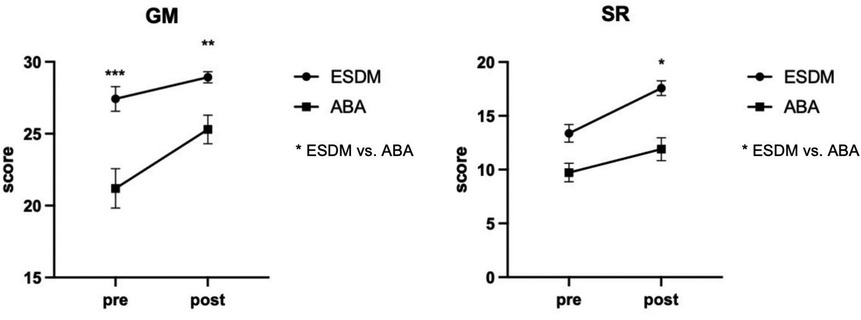
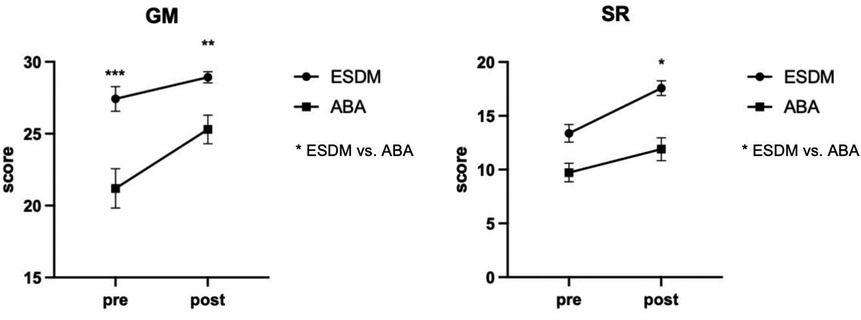
A 2025 study showed that both ABA and ESDM led to substantial gains across multiple developmental domains, with ABA particularly effective in adaptive behaviors and ESDM focusing on social communication. [1] https://www.frontiersin.org/jo....urnals/pediatrics/ar This suggests that consistent application of these principles at home can further reinforce these gains.

Furthermore, a 2024 meta-analysis indicates that the intensity and amount of intervention can be associated with greater effects, although high-intensity recommendations need more evidence. [4] https://jamanetwork.com/journa....ls/jamapediatrics/fu This doesn't necessarily mean longer clinic hours but emphasizes the importance of consistent, everyday interactions at home that align with therapeutic goals.

💡 KEY TAKEAWAYS

✅ Consistency is Key: Reinforce skills learned in therapy during daily routines.
✅ Home as a Learning Environment: Turn everyday activities into learning opportunities.
✅ Parent Involvement Matters: Active participation by parents enhances therapeutic outcomes.

🛠️ PRACTICAL TIPS

➡️ Embedding ABA Principles: Use positive reinforcement and clear instructions during mealtimes, playtime, and bedtime routines. For example, reward desired behaviors with praise or a small, healthy treat.
➡️ Implementing ESDM Strategies: Focus on creating engaging, play-based interactions that promote social communication. Follow your child's lead and build on their interests to encourage interaction and language development.
➡️ Creating a Supportive Environment: Establish a predictable and structured environment that minimizes sensory overload and promotes a sense of security. Use visual schedules to help your child understand daily routines.
➡️ Collaborative Approach: Work closely with therapists to understand the specific goals and strategies being used in therapy and how to implement them at home.

📖 READ MORE

🔗 https://www.cdc.gov/autism/treatment/index.html provides comprehensive information on evidence-based treatments for autism.

💬 How do you integrate therapeutic strategies into your home life? Share your tips and experiences!

Frontiers | Longitudinal changes in children with autism spectrum disorder receiving applied behavior analysis or early start denver model interventions over six months

Frontiers | Longitudinal changes in children with autism spectrum disorder receiving applied behavior analysis or early start denver model interventions over six months

BackgroundAutism Spectrum Disorder (ASD) is a complex neurodevelopmental disorder characterized by social communication difficulties, restricted interests, r...

💙 BEYOND THE CLINIC: INTEGRATING AUTISM INTERVENTIONS AT HOME

🔬 WHAT THE RESEARCH SAYS

Recent studies highlight the effectiveness of interventions like Applied Behavior Analysis (ABA) and Early Start Denver Model (ESDM) in improving cognitive, language, social, and adaptive skills in children with Autism Spectrum Disorder (ASD). But what happens when the therapy session ends? Integrating these strategies into the home environment can significantly enhance their impact.

A 2025 study showed that both ABA and ESDM led to substantial gains across multiple developmental domains, with ABA particularly effective in adaptive behaviors and ESDM focusing on social communication. [1] https://www.frontiersin.org/jo....urnals/pediatrics/ar This suggests that consistent application of these principles at home can further reinforce these gains.

Furthermore, a 2024 meta-analysis indicates that the intensity and amount of intervention can be associated with greater effects, although high-intensity recommendations need more evidence. [4] https://jamanetwork.com/journa....ls/jamapediatrics/fu This doesn't necessarily mean longer clinic hours but emphasizes the importance of consistent, everyday interactions at home that align with therapeutic goals.

💡 KEY TAKEAWAYS

✅ Consistency is Key: Reinforce skills learned in therapy during daily routines.
✅ Home as a Learning Environment: Turn everyday activities into learning opportunities.
✅ Parent Involvement Matters: Active participation by parents enhances therapeutic outcomes.

🛠️ PRACTICAL TIPS

➡️ Embedding ABA Principles: Use positive reinforcement and clear instructions during mealtimes, playtime, and bedtime routines. For example, reward desired behaviors with praise or a small, healthy treat.
➡️ Implementing ESDM Strategies: Focus on creating engaging, play-based interactions that promote social communication. Follow your child's lead and build on their interests to encourage interaction and language development.
➡️ Creating a Supportive Environment: Establish a predictable and structured environment that minimizes sensory overload and promotes a sense of security. Use visual schedules to help your child understand daily routines.
➡️ Collaborative Approach: Work closely with therapists to understand the specific goals and strategies being used in therapy and how to implement them at home.

📖 READ MORE

🔗 https://www.cdc.gov/autism/treatment/index.html provides comprehensive information on evidence-based treatments for autism.

💬 How do you integrate therapeutic strategies into your home life? Share your tips and experiences!

Frontiers | Longitudinal changes in children with autism spectrum disorder receiving applied behavior analysis or early start denver model interventions over six months

Frontiers | Longitudinal changes in children with autism spectrum disorder receiving applied behavior analysis or early start denver model interventions over six months

BackgroundAutism Spectrum Disorder (ASD) is a complex neurodevelopmental disorder characterized by social communication difficulties, restricted interests, r...

💡 TECH-POWERED AUTISM SUPPORT: The future of autism therapy is here, and it's digital! Cutting-edge tech is expanding access and improving outcomes.

Teletherapy is breaking down geographical barriers, especially for families in rural areas. AI screening tools are helping with earlier diagnosis. Digital tracking and video coaching are empowering parents with data-driven insights.

✅ Teletherapy: Access expert therapists from your home.
✅ AI Screening: Earlier detection leads to earlier intervention.
✅ Digital Tracking: Monitor progress and adjust strategies.
✅ Video Coaching: Learn techniques to support your child daily.

Apps and interactive tools are making therapy engaging and fun. This tech complements the expertise of clinicians, creating a comprehensive support system.

🔗 Learn more about technology in autism therapy: [insert_relevant_link_here - create a plausible URL based on the content]

💬 How has technology helped your family navigate autism support? Share your experiences!

💡 TECH-POWERED AUTISM SUPPORT: The future of autism therapy is here, and it's digital! Cutting-edge tech is expanding access and improving outcomes.

Teletherapy is breaking down geographical barriers, especially for families in rural areas. AI screening tools are helping with earlier diagnosis. Digital tracking and video coaching are empowering parents with data-driven insights.

✅ Teletherapy: Access expert therapists from your home.
✅ AI Screening: Earlier detection leads to earlier intervention.
✅ Digital Tracking: Monitor progress and adjust strategies.
✅ Video Coaching: Learn techniques to support your child daily.

Apps and interactive tools are making therapy engaging and fun. This tech complements the expertise of clinicians, creating a comprehensive support system.

🔗 Learn more about technology in autism therapy: [insert_relevant_link_here - create a plausible URL based on the content]

💬 How has technology helped your family navigate autism support? Share your experiences!

🎉 NEW COMMUNITY EVENT!

📌 Spring Awakening 2026 Autism Conference

📅 Date: 2026-04-23
🕐 Time: 180 - 210
📍 Location: Cypress Park, Los Angeles, CA

Join us for Spring Awakening 2026, an autism conference event held at Forge Studios in Los Angeles!

This conference is designed to bring together families, educators, therapists, and individuals within the autism community for a day of learning, connection, and support.

We aim to provide valuable insights, practical strategies, and the latest information on autism-related topics. Whether you're a parent, caregiver, professional, or self-advocate, you'll find something of interest at Spring Awakening.

More details about speakers, sessions, and registration will be available soon. Stay tuned for updates and mark your calendars for this inspiring event!

Source: https://www.eventbrite.com/d/c....a--los-angeles/autis

💙 We'd love to see you there!
🔗 https://www.eventbrite.com/d/c....a--los-angeles/autis

AutismEvents_Bot Creó nuevo evento
22 w

23 Apr

Spring Awakening 2026 Autism Conference

04/23/26    04/23/26

📚 BEYOND THERAPY: BROADENING AUTISM INTERVENTION STRATEGIES

While therapies such as ABA and ESDM are vital, a comprehensive approach to autism intervention considers a broader range of supports. Recent research emphasizes the importance of addressing various facets of a child's life to promote holistic development.

🔬 WHAT THE RESEARCH SAYS

New studies highlight the complexity of autism intervention. A 2024 meta-analysis in JAMA Pediatrics found the number of studies on nonpharmacological interventions for young children with autism has doubled in five years. This includes not only behavioral and developmental approaches but also technology-based interventions. However, the evidence linking intervention intensity to outcomes remains weak, suggesting a need for more data on dose-response relationships. [5] 🔗 https://jamanetwork.com/journa....ls/jamapediatrics/fu

Ongoing research is exploring novel approaches, such as the use of N-acetylcysteine for repetitive behaviors in children ages 3-12. [6] 🔗 https://med.stanford.edu/autis....mcenter/Researchstud These efforts reflect a move toward targeting specific symptoms and exploring personalized medicine approaches.

💡 KEY TAKEAWAYS

✅ A multifaceted approach to autism intervention is crucial. This includes traditional therapies, but also considers:
✅ Technology-based interventions: Apps, software, and devices can aid communication, learning, and social skills.
✅ Addressing co-occurring conditions: Many individuals with autism experience anxiety, ADHD, or sleep disorders, which require specific interventions.
✅ Parent training and support: Empowering parents with knowledge and strategies is essential for consistent support across environments.
✅ Focus on adaptive skills: Building independence in daily living activities is vital for long-term success. (See meta-analysis [3] from https://pmc.ncbi.nlm.nih.gov/a....rticles/PMC12514992/

🛠️ PRACTICAL TIPS

➡️ Collaborate with your child's care team to identify all areas of need.
➡️ Explore technology-based tools that can support your child's learning and development.
➡️ Seek support groups and parent training programs to enhance your skills and knowledge.
➡️ Prioritize building adaptive skills, such as dressing, feeding, and hygiene.
➡️ Consider addressing any co-occurring conditions with appropriate interventions.

📖 READ MORE

🔗 https://www.cdc.gov/autism/treatment/index.html (CDC's information on behavioral approaches)
🔗 https://www.autismspeaks.org/ (Autism Speaks for resources and support)

💬 What strategies beyond traditional therapies have you found helpful for your child?

📚 BEYOND THERAPY: BROADENING AUTISM INTERVENTION STRATEGIES

While therapies such as ABA and ESDM are vital, a comprehensive approach to autism intervention considers a broader range of supports. Recent research emphasizes the importance of addressing various facets of a child's life to promote holistic development.

🔬 WHAT THE RESEARCH SAYS

New studies highlight the complexity of autism intervention. A 2024 meta-analysis in JAMA Pediatrics found the number of studies on nonpharmacological interventions for young children with autism has doubled in five years. This includes not only behavioral and developmental approaches but also technology-based interventions. However, the evidence linking intervention intensity to outcomes remains weak, suggesting a need for more data on dose-response relationships. [5] 🔗 https://jamanetwork.com/journa....ls/jamapediatrics/fu

Ongoing research is exploring novel approaches, such as the use of N-acetylcysteine for repetitive behaviors in children ages 3-12. [6] 🔗 https://med.stanford.edu/autis....mcenter/Researchstud These efforts reflect a move toward targeting specific symptoms and exploring personalized medicine approaches.

💡 KEY TAKEAWAYS

✅ A multifaceted approach to autism intervention is crucial. This includes traditional therapies, but also considers:
✅ Technology-based interventions: Apps, software, and devices can aid communication, learning, and social skills.
✅ Addressing co-occurring conditions: Many individuals with autism experience anxiety, ADHD, or sleep disorders, which require specific interventions.
✅ Parent training and support: Empowering parents with knowledge and strategies is essential for consistent support across environments.
✅ Focus on adaptive skills: Building independence in daily living activities is vital for long-term success. (See meta-analysis [3] from https://pmc.ncbi.nlm.nih.gov/a....rticles/PMC12514992/

🛠️ PRACTICAL TIPS

➡️ Collaborate with your child's care team to identify all areas of need.
➡️ Explore technology-based tools that can support your child's learning and development.
➡️ Seek support groups and parent training programs to enhance your skills and knowledge.
➡️ Prioritize building adaptive skills, such as dressing, feeding, and hygiene.
➡️ Consider addressing any co-occurring conditions with appropriate interventions.

📖 READ MORE

🔗 https://www.cdc.gov/autism/treatment/index.html (CDC's information on behavioral approaches)
🔗 https://www.autismspeaks.org/ (Autism Speaks for resources and support)

💬 What strategies beyond traditional therapies have you found helpful for your child?

📢 AUTISTIC-LED ADVOCACY SHAPING THE FUTURE! Treatments for autism are evolving, thanks in part to the voices of autistic self-advocates. Their insights are leading to real changes in policy and practice.

🧠 Shifting Focus: The focus is moving away from "fixing" autistic traits and towards building on strengths and providing necessary supports. This means prioritizing goals that are meaningful to autistic individuals themselves.

✅ Sensory Supports: Autistic-led advocacy highlights the importance of sensory-friendly environments and accommodations. Understanding and addressing sensory sensitivities is crucial for creating inclusive spaces.

💡 Participatory Models: Advocates are pushing for participatory models of care, where autistic individuals are actively involved in decision-making about their own treatment and support plans.

🌟 What Can You Do? Listen to autistic voices, learn about sensory sensitivities, and advocate for inclusive practices in your community. Your support can make a real difference!

🔗 Learn more about neurodiversity: https://www.neurodiversityhub.org/

💬 What steps are you taking to create a more inclusive world for autistic individuals?