
ABA vs. ESDM: New Study Looks at Long-Term Progress in Autism
Choosing the right therapy for your child with autism can feel overwhelming. A new study published in Frontiers in Pediatrics (2025) looked at how two common therapies, Applied Behavior Analysis (ABA) and the Early Start Denver Model (ESDM), affected children over time.
What the Researchers Studied
Researchers wanted to understand how children with autism changed after receiving either ABA or ESDM therapy. They followed a group of children over several years, tracking their progress in areas like communication, social skills, and adaptive behavior (things like self-care and daily living skills). The study compared the progress of children receiving ABA to those receiving ESDM.
What They Found
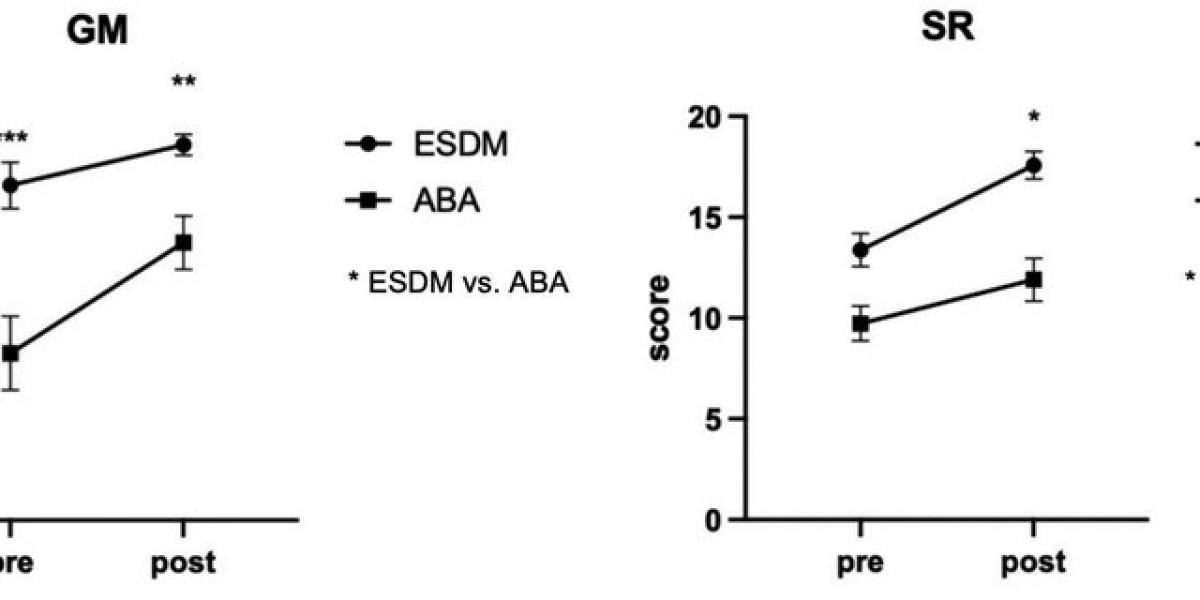
The study found that both ABA and ESDM were effective in helping children with autism make progress. Specifically, children in both groups showed improvements in communication and adaptive behavior over time. While both therapies led to positive outcomes, the researchers noted some subtle differences in the *rate* of progress in certain areas, with some children in the ESDM group showing earlier gains in social communication. However, at the end of the study period, the overall outcomes were fairly similar. This suggests that both therapies can be valuable tools, and the best choice might depend on your child's individual needs and learning style.
Why This Matters for Autism Families
This study is helpful because it provides more information about the long-term effects of ABA and ESDM. It reinforces that both are evidence-based therapies that can lead to positive changes. Knowing this can empower you to make informed decisions about your child's treatment plan, working closely with therapists and other professionals to determine the best fit.
Practical Implications
- Therapy: This study highlights the importance of early intervention. Whether you choose ABA or ESDM, starting therapy as early as possible can make a significant difference.
- School: Share this information with your child's school team. Understanding the potential benefits of both ABA and ESDM can help them create a supportive and effective learning environment.
- Daily Life: Focus on creating opportunities for your child to practice their communication and social skills in everyday situations. Reinforce positive behaviors and celebrate their progress, no matter how small.
Important Considerations
It's important to remember that this is just one study, and more research is always needed. The sample size was relatively small, which means the results might not apply to all children with autism. Also, the study focused on specific implementations of ABA and ESDM; the quality and specific techniques used in real-world settings can vary. Always discuss your child's individual needs with qualified professionals to determine the most appropriate treatment approach.
You can read the full research paper here: Frontiers in Pediatrics
Read the study: Frontiers in Pediatrics