
New Study: How ABA and ESDM Therapies Impact Kids with Autism Over Time
As parents of children with autism, we're always looking for information about what works. A new study published in Frontiers in Pediatrics (2025) examined how two common therapies, Applied Behavior Analysis (ABA) and Early Start Denver Model (ESDM), affected children with autism spectrum disorder (ASD) over a longer period.
What the Researchers Studied
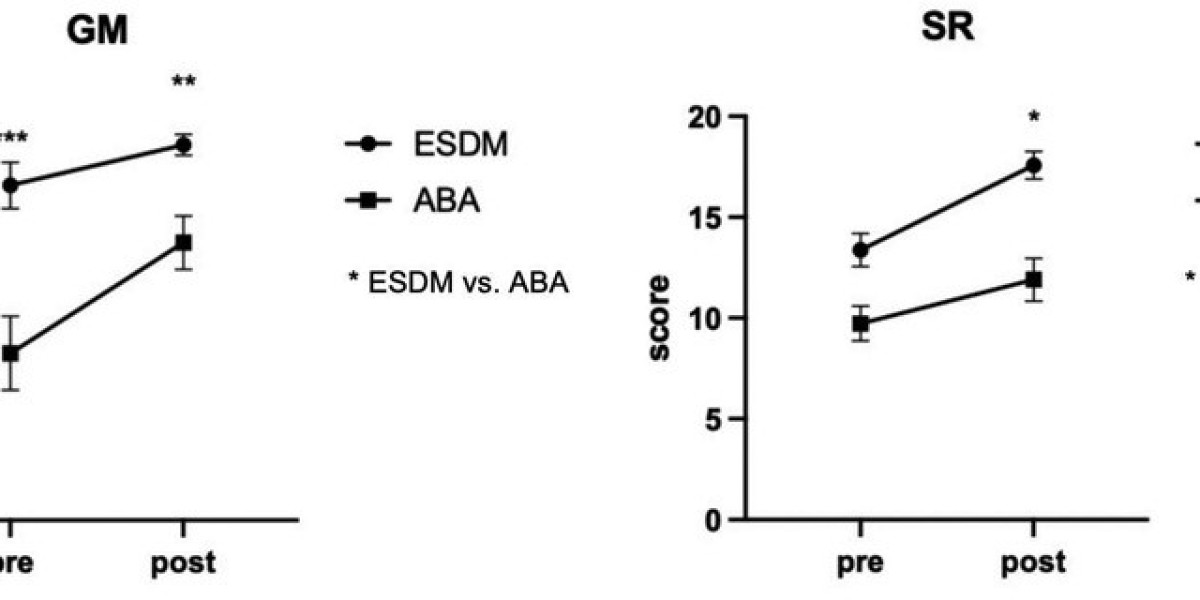
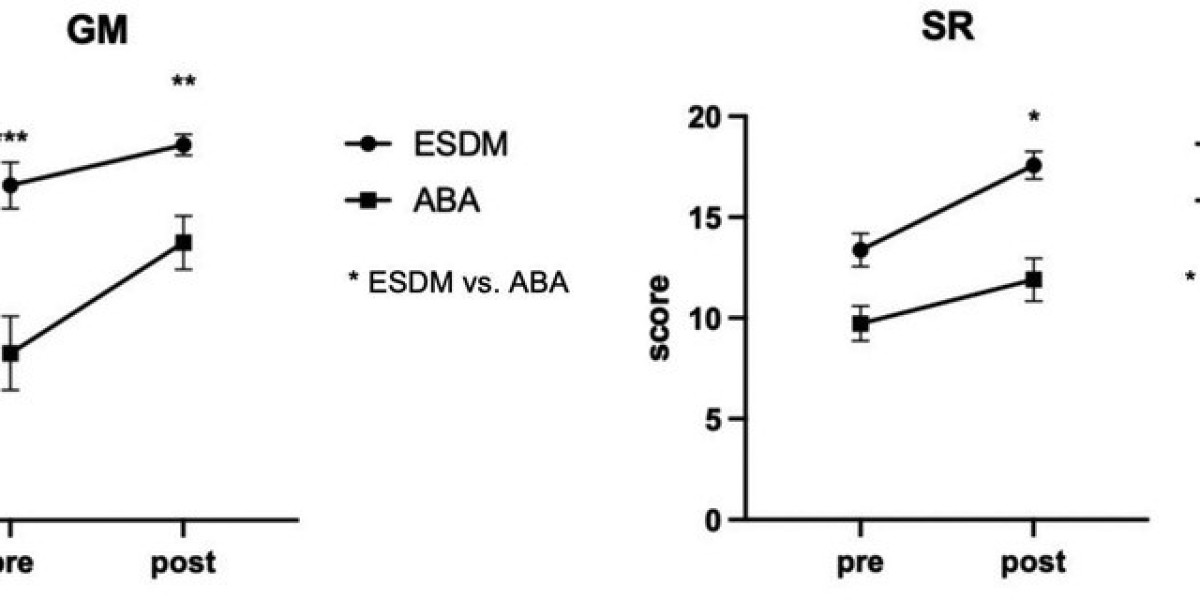
Researchers wanted to see how kids with autism changed over time when receiving either ABA or ESDM therapy. They followed a group of children with ASD for several years, tracking their progress in different areas like communication, social skills, and adaptive behavior (things like self-care and daily living skills). The study compared the progress of children receiving ABA to those receiving ESDM.
What They Found (in Plain Language)
The study found that both ABA and ESDM were associated with positive changes in children with autism over time. Children in both groups showed improvements in their communication, social skills, and adaptive behavior. Importantly, the researchers noted that the rate and type of progress could vary between individuals, regardless of which therapy they received. Some children made faster progress in certain areas than others. The study did not find a significant difference in overall outcomes between the ABA and ESDM groups. This suggests that both therapies can be effective, and the best choice might depend on the individual child's needs and preferences.
Why This Matters for Autism Families
This study is encouraging because it reinforces that early intervention can make a real difference for children with autism. It also suggests that there isn't a single "best" therapy for everyone. What works for one child might not be the best fit for another. This information can empower parents to work with therapists and educators to choose the most appropriate and effective interventions for their child.
Practical Implications
- Therapy: This study highlights the importance of individualized therapy plans. Talk to your child's therapist about setting specific, measurable goals and regularly tracking progress.
- School: Share this information with your child's school team. It reinforces the need for individualized education programs (IEPs) that are tailored to your child's strengths and needs.
- Daily Life: Remember that progress takes time. Celebrate small victories and focus on creating a supportive and understanding environment for your child.
Important Considerations (Limitations)
It's important to remember that this is just one study, and like all research, it has limitations. The sample size was relatively small, which means the results might not be generalizable to all children with autism. Also, the study only looked at ABA and ESDM; other therapies might also be effective. More research is always needed to confirm these findings and explore other factors that contribute to positive outcomes.
Want to Learn More?
You can read the original research paper here: Longitudinal changes in children with autism spectrum disorder following ABA therapy or ESDM intervention
Read the study: Frontiers in Pediatrics