
New Study: How ABA and ESDM Therapies Impact Kids with Autism Over Time
As parents of children with autism, we're always looking for information about what therapies might help our kids thrive. A new study published in Frontiers in Pediatrics (2025) investigated how two common therapies, Applied Behavior Analysis (ABA) and Early Start Denver Model (ESDM), affect children with autism over a longer period. Let's break down what the researchers did and what they found.
What the Researchers Studied
Researchers followed a group of children diagnosed with autism spectrum disorder (ASD) for several years. Some children received ABA therapy, while others received ESDM intervention. The researchers wanted to see how the children's skills and behaviors changed over time with each type of therapy. They looked at things like:
- Communication skills: How well the children could understand and use language.
- Social interaction: How they interacted with others and participated in social situations.
- Adaptive behavior: Their ability to perform everyday tasks like dressing, eating, and personal hygiene.
- Autism symptoms: The severity of core autism traits.
What They Found (In Plain Language!)
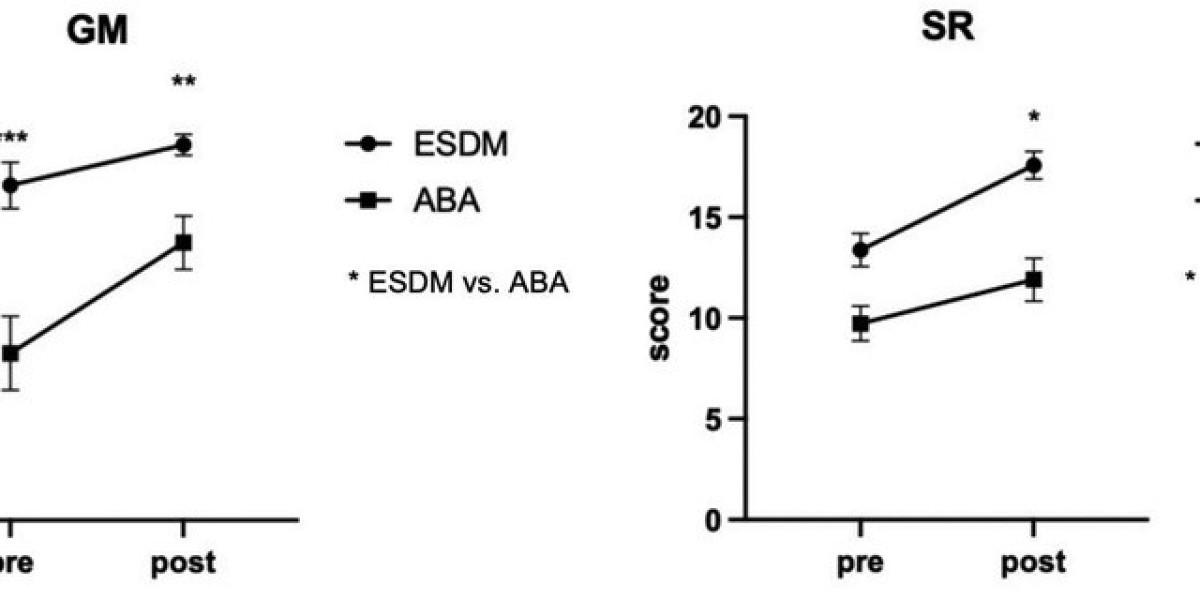
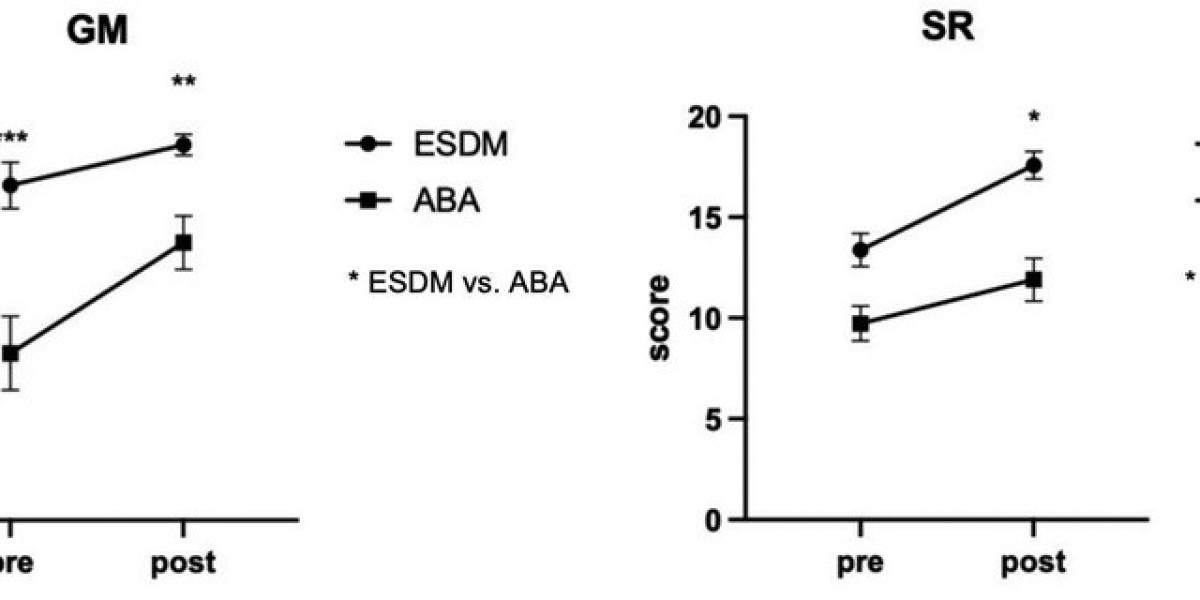
The study found that both ABA and ESDM therapies were associated with positive changes in children with autism over time. Children in both groups showed improvements in communication, social interaction, and adaptive behavior. In other words, both therapies seemed to help kids develop important skills.
Interestingly, the researchers also noted some potential differences. While both groups improved, the study suggested that children receiving ESDM might have shown slightly greater gains in certain areas of social communication. However, these differences were not statistically significant, meaning they could have been due to chance.
Why This Matters for Autism Families
This study is encouraging because it suggests that both ABA and ESDM can be effective interventions for children with autism. It reinforces the importance of early intervention and provides more information for families as they consider different therapy options. Knowing that both approaches can lead to positive changes can empower parents to make informed decisions based on their child's individual needs and their family's preferences.
Practical Implications
- Therapy Choices: This study can help you discuss therapy options with your child's doctor or therapist. It highlights that both ABA and ESDM are viable options, and the best choice might depend on your child's specific strengths and challenges.
- School Planning: Understanding the potential benefits of these therapies can inform your child's Individualized Education Program (IEP) goals and strategies.
- Daily Life: The skills learned in ABA or ESDM can be generalized to everyday situations, helping your child navigate social interactions, communicate their needs, and become more independent.
Important Considerations
It's important to remember that this is just one study, and like all research, it has limitations. For example, the sample size was relatively small, and more research is needed to confirm these findings with larger groups of children. Also, every child is different, and what works for one child may not work for another. It is also important to note that this study was conducted in 2025, so therapeutic techniques may have evolved since then.
The information in this blog post is for informational purposes only and should not be considered medical advice. Always consult with your child's doctor or qualified healthcare provider for any questions you may have about your child's health or treatment.
Want to Learn More?
You can read the original research paper here: Longitudinal changes in children with autism spectrum disorder following ABA therapy or ESDM intervention
Read the study: Frontiers in Pediatrics