
ABA vs. ESDM: New Research on Long-Term Outcomes
Choosing the right therapy for your autistic child can feel overwhelming. There are so many options, and it's hard to know what will be most effective in the long run. A new study published in Frontiers in Pediatrics (2025) sheds some light on this, comparing the progress of children receiving Applied Behavior Analysis (ABA) therapy versus the Early Start Denver Model (ESDM) over several years.
What the Researchers Studied
Researchers wanted to see how autistic children developed over time when receiving either ABA or ESDM. They followed a group of children diagnosed with autism spectrum disorder (ASD) for three years. Some children received ABA therapy, which focuses on teaching specific skills through reinforcement and repetition. Others received ESDM, a play-based therapy that emphasizes building relationships and promoting development through natural interactions and play. The researchers looked at changes in several areas, including:
- Adaptive behavior: Skills needed for daily living, like dressing, eating, and communicating.
- Language skills: Ability to understand and use language.
- Social skills: Ability to interact with others appropriately.
- Cognitive abilities: Thinking and problem-solving skills.
What They Found
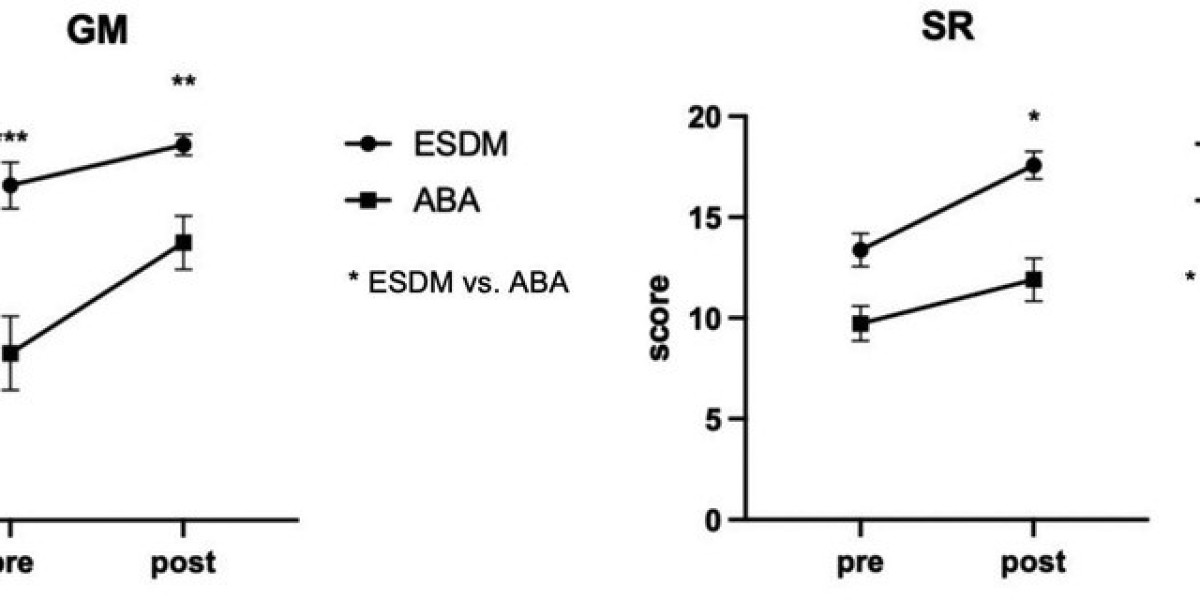
The study found that both ABA and ESDM were effective in helping children make progress in all these areas over the three years. Importantly, the study suggested that children in both groups showed similar improvements in adaptive behavior, language skills, social skills, and cognitive abilities. This suggests that both approaches can be valuable tools for supporting autistic children's development.
Why This Matters for Autism Families
This research is helpful for parents because it suggests that both ABA and ESDM can lead to positive outcomes. It highlights the importance of early intervention, regardless of the specific approach. Knowing that multiple paths can lead to progress might ease some of the pressure of choosing the "perfect" therapy. It can empower parents to focus on finding a therapy that aligns with their child's needs and their family's values.
Practical Implications
Here are some possible implications for therapy, school, and daily life:
- Therapy: This study reinforces the importance of early intervention. When choosing a therapy, consider your child's individual needs and preferences, as well as the expertise and approach of the therapists. Don't be afraid to ask questions and observe therapy sessions.
- School: Share this research with your child's school team. It can inform discussions about the best ways to support your child's learning and development in the classroom.
- Daily Life: Remember that therapy is just one piece of the puzzle. Create a supportive and enriching environment at home where your child can practice their skills and build meaningful relationships.
Important Considerations
It's important to remember that this is just one study, and like all research, it has limitations. For example, the sample size was relatively small, so the results may not apply to all autistic children. More research is needed to confirm these findings and to explore which factors might make one approach more effective than another for specific individuals. Also, this study only looked at outcomes for three years. Longer-term studies are needed to understand the lasting effects of these therapies.
Disclaimer: This blog post is for informational purposes only and should not be considered medical advice. Always consult with a qualified healthcare professional for any questions you have about your child's health or treatment.
You can read the original research paper here: Longitudinal changes in children with autism spectrum disorder following ABA therapy or ESDM intervention: a comparative study
Read the study: Frontiers in Pediatrics