
New Study: How ABA and ESDM Therapies Impact Kids with Autism Over Time
As parents of children with autism, we're always looking for information about what therapies work best. A new study published in Frontiers in Pediatrics (2025) looked at how two common therapies, Applied Behavior Analysis (ABA) and the Early Start Denver Model (ESDM), affect children with autism over a longer period. Let's break down what they found.
What the Researchers Studied
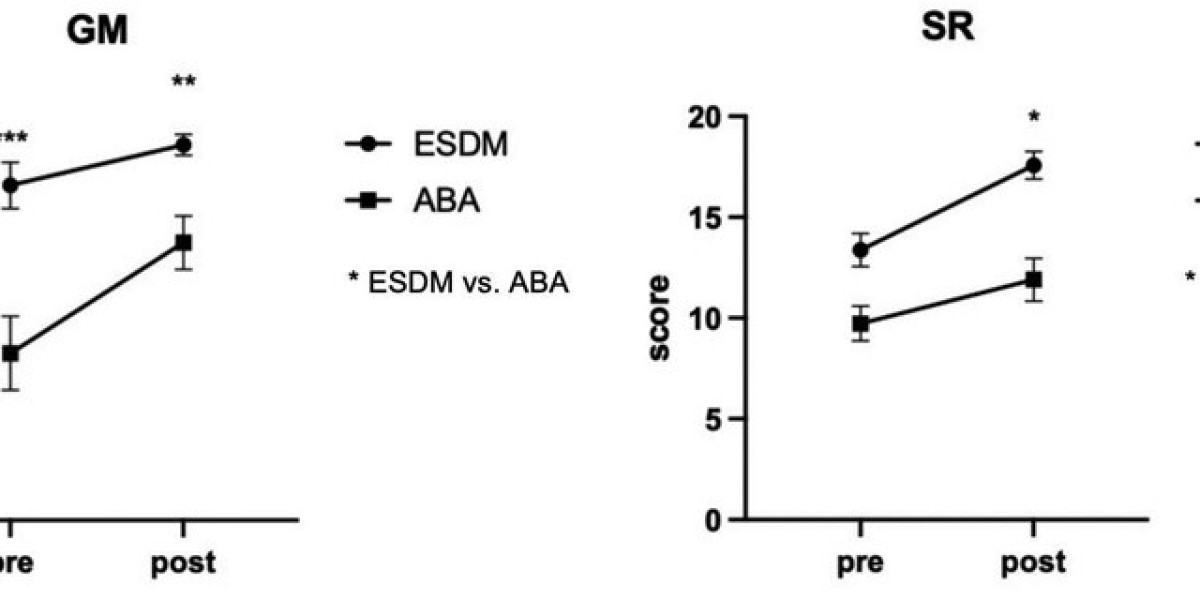
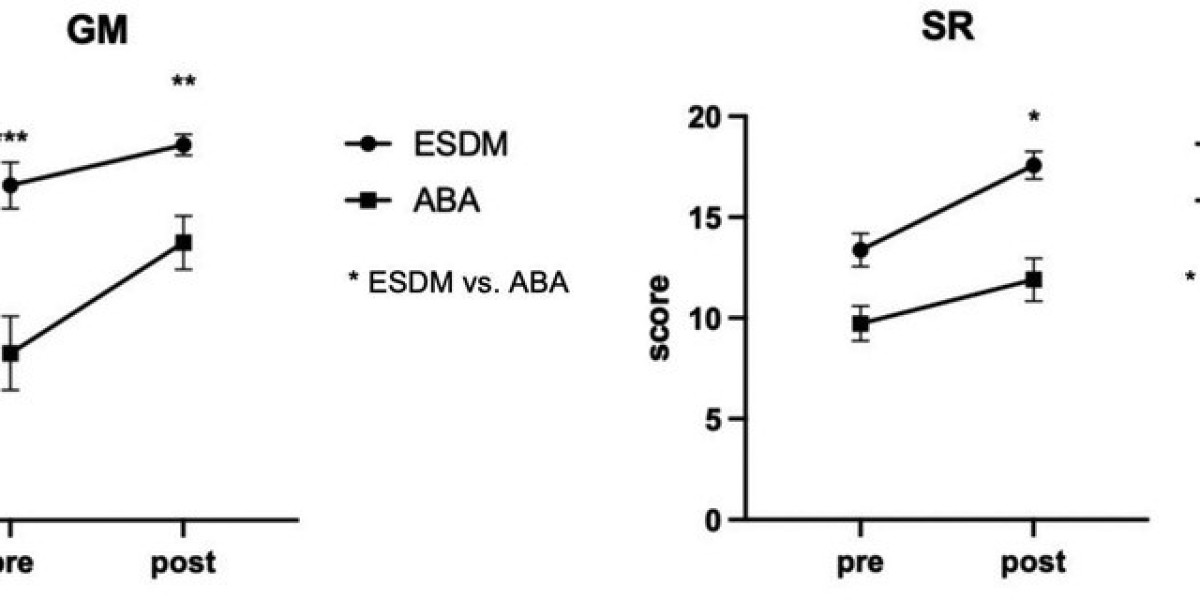
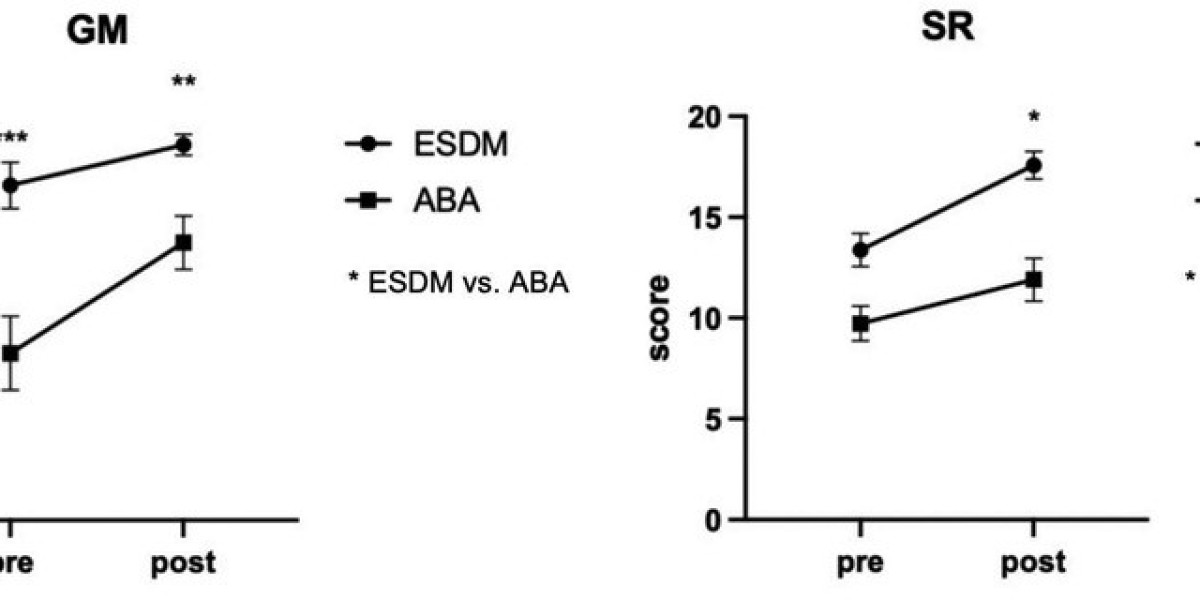
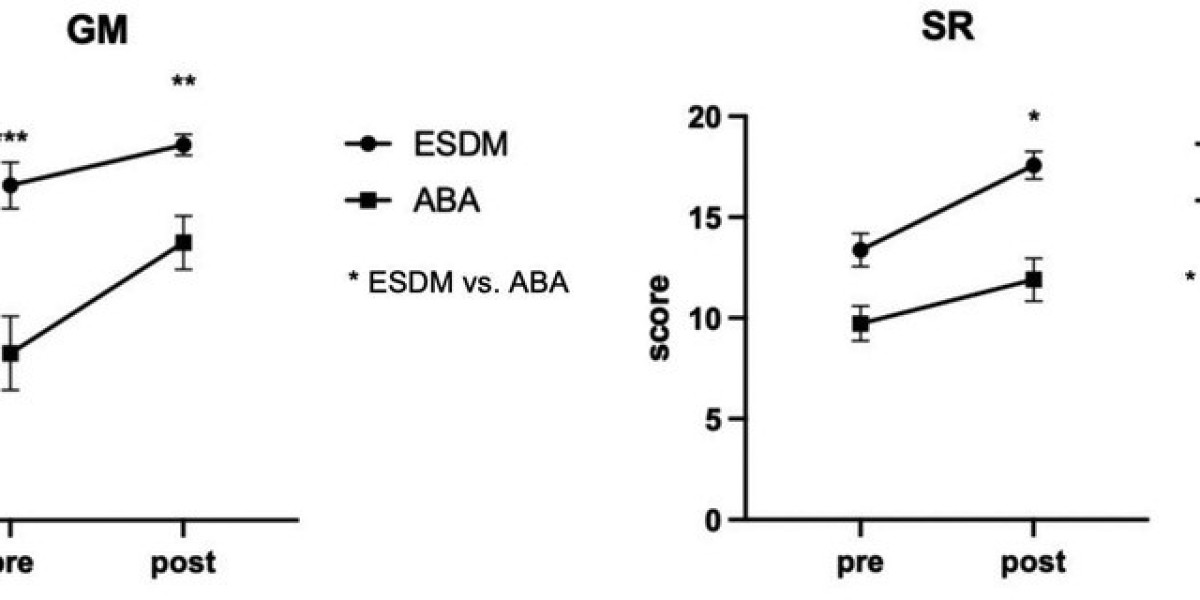
Researchers wanted to understand how ABA and ESDM therapies impact children with autism over time. This kind of study, called a longitudinal study, follows the same children for several years, allowing researchers to see changes as they happen. They looked at a group of children with autism who received either ABA or ESDM therapy and tracked their progress in areas like communication, social skills, and adaptive behavior (things like daily living skills).
What They Found
The study found that both ABA and ESDM were associated with improvements in children's skills over time. Specifically, children in both groups showed gains in communication and social interaction. The researchers noted that the amount of progress varied from child to child, which isn't surprising, as every child is unique. Importantly, the study suggested that both ABA and ESDM can be effective interventions for children with autism when implemented consistently over several years.
Why This Matters for Autism Families
This study is encouraging because it provides more evidence that early intervention can make a real difference in the lives of children with autism. Knowing that both ABA and ESDM can lead to positive changes might help families feel more confident in choosing a therapy approach that fits their child's needs and their family's values. It also highlights the importance of sticking with therapy over the long term to see meaningful progress.
Practical Implications
- Therapy: This study reinforces the importance of early intervention. If you haven't already, consider exploring ABA or ESDM therapy options for your child.
- School: Share this information with your child's school team. Understanding the potential benefits of these therapies can help them better support your child's needs in the classroom.
- Daily Life: Remember that consistency is key. Work with your therapists to find ways to incorporate therapy strategies into your daily routines at home.
Important Considerations
It's important to remember that this is just one study, and like all research, it has limitations. For example, the sample size wasn't huge, so the results might not apply to all children with autism. More research is always needed to confirm these findings and to understand which therapies work best for different children. Also, the study doesn't tell us why these therapies are effective, only that they can be effective.
As always, talk to your child's doctor, therapists, and educators to make informed decisions about their care. Every child is different, and what works for one child may not work for another.
You can read the original research paper here: Frontiers in Pediatrics - Longitudinal changes in children with autism spectrum disorder following ABA therapy or ESDM intervention
Read the study: Frontiers in Pediatrics