
New Study: How ABA and ESDM Therapies Impact Kids with Autism Over Time
As parents of children with autism, we're always looking for information about what works. A new study published in Frontiers in Pediatrics (2025) investigated how two common therapies, Applied Behavior Analysis (ABA) and Early Start Denver Model (ESDM), affect children with autism over several years. Let's break down what they found.
What the Researchers Studied
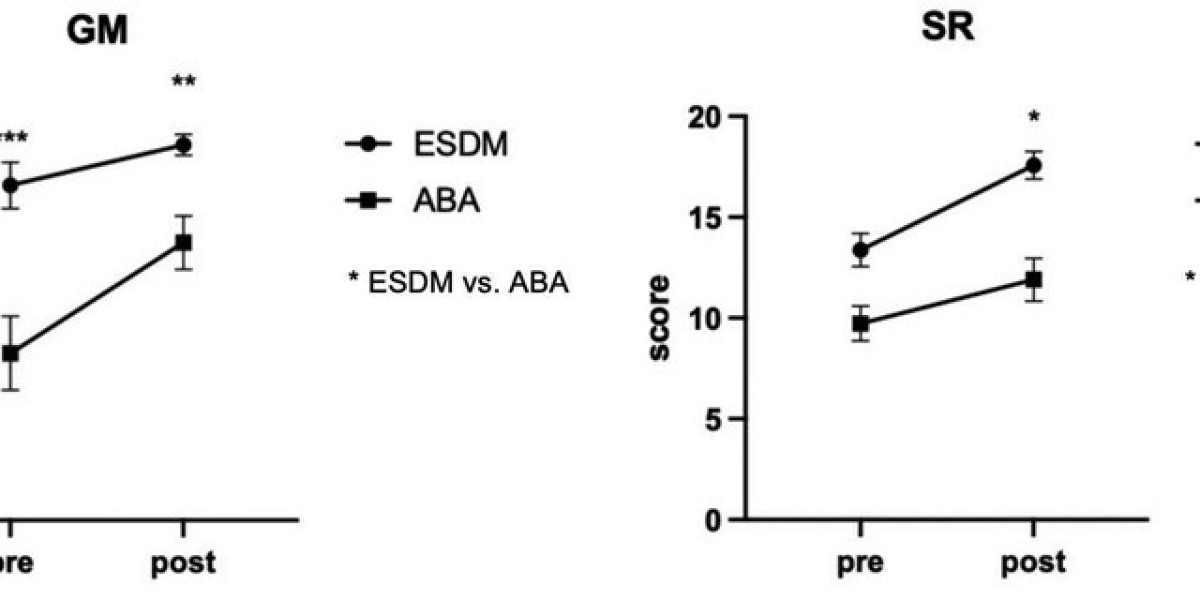
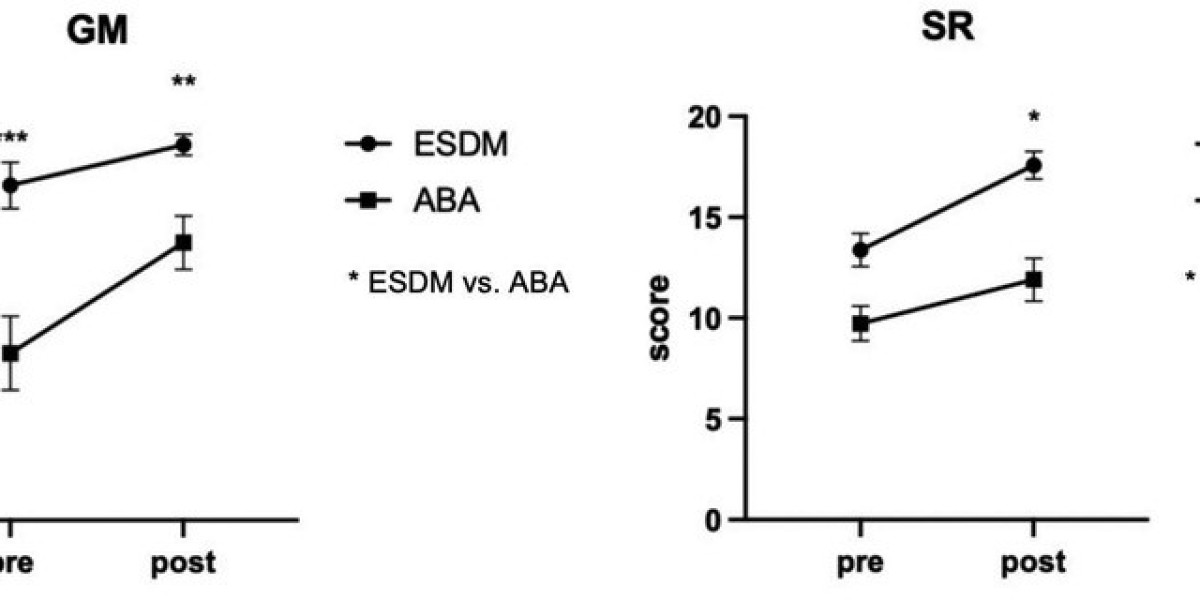
Researchers wanted to understand how children with autism changed over time after receiving either ABA or ESDM therapy. They followed a group of children for several years, tracking their progress in different areas like communication, social skills, and adaptive behavior (things like daily living skills).
What They Found
The study found that both ABA and ESDM were associated with positive changes in children with autism over time. Specifically, children in both groups showed improvements in their communication and social skills. The researchers also noted that the amount of improvement varied from child to child, which isn't surprising since every child is different!
Why This Matters for Autism Families
This study is encouraging because it provides more evidence that early intervention can make a real difference in the lives of children with autism. It suggests that both ABA and ESDM are valuable tools that can help children develop important skills. Knowing that there is research to back up these interventions can help you feel more confident in your therapy decisions.
Practical Implications
- Therapy: If you're considering ABA or ESDM for your child, this study supports the idea that both can be effective. Talk to your doctor or therapist about which approach might be the best fit for your child's individual needs and learning style.
- School: Share this information with your child's school team. Understanding the potential benefits of these therapies can help them better support your child's learning and development in the classroom.
- Daily Life: Remember that therapy is just one piece of the puzzle. Continue to create a supportive and understanding environment at home where your child can practice their skills and feel successful.
Important Considerations
It's important to remember that this is just one study, and more research is always needed. Also, the study likely had a limited number of participants. While the results are promising, they don't guarantee specific outcomes for every child. The effectiveness of any therapy can depend on many factors, including the child's age, the severity of their autism, and the quality of the intervention.
Always consult with qualified professionals to determine the best course of action for your child.
You can read the original research paper here: https://www.frontiersin.org/journals/pediatrics/articles/10.3389/fped.2025.1546001/full
Read the study: Frontiers in Pediatrics