
ABA vs. ESDM: New Study Looks at Long-Term Progress in Autism
Choosing the right therapy for your child with autism can feel overwhelming. A new study published in Frontiers in Pediatrics (2025) looks at how two common interventions, Applied Behavior Analysis (ABA) and the Early Start Denver Model (ESDM), impact children with autism over time.
What the Researchers Studied
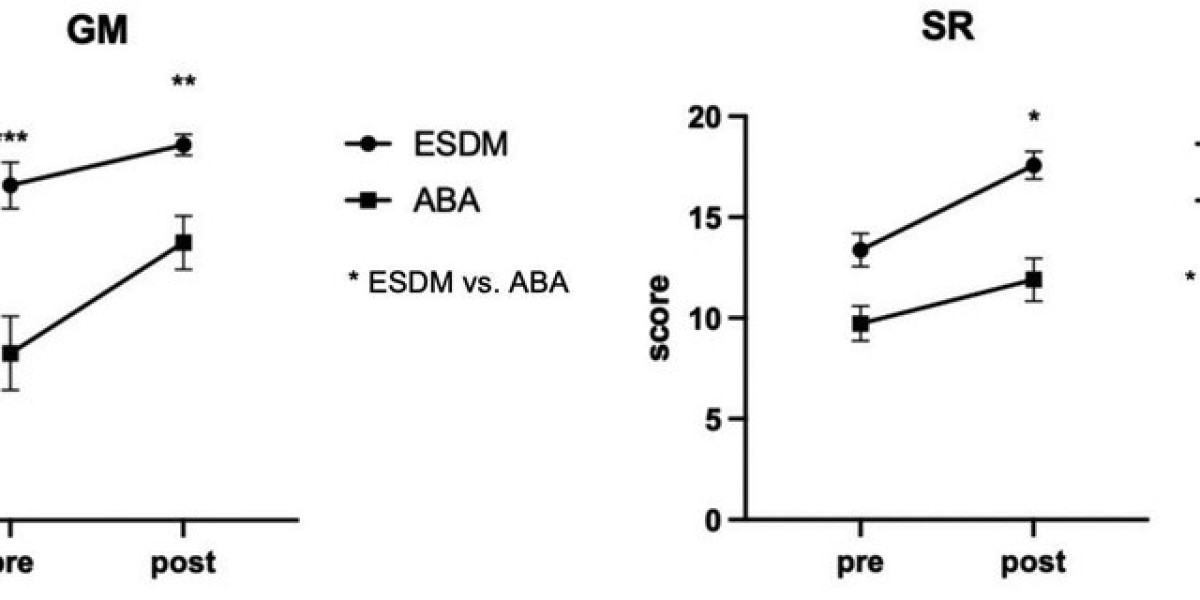
Researchers wanted to understand how children with autism progress after receiving either ABA or ESDM therapy. They followed a group of children over several years, regularly assessing their:
- Communication skills: How well they understand and use language.
- Social interaction: How they interact with others and build relationships.
- Adaptive behavior: Their ability to perform everyday tasks like dressing, eating, and hygiene.
The study compared the progress of children who received ABA to those who received ESDM.
What They Found
The study found that both ABA and ESDM were effective in helping children with autism improve their communication, social interaction, and adaptive behavior skills over time. Importantly, the researchers reported no significant difference in outcomes between the two groups. This suggests that both ABA and ESDM can be valuable interventions for children with autism.
Why This Matters for Autism Families
This research is helpful because it suggests that multiple paths can lead to positive outcomes for children with autism. It reinforces the idea that the "best" therapy isn't necessarily one-size-fits-all. Families can work with professionals to choose an intervention approach that best fits their child's individual needs, learning style, and family values.
Practical Implications
Here's how this study might influence decisions about therapy, school, and daily life:
- Therapy: When choosing a therapy, consider your child's strengths, challenges, and preferences. Discuss the principles of ABA and ESDM with therapists and see which approach resonates more with your family.
- School: Advocate for individualized education programs (IEPs) that incorporate evidence-based strategies from either ABA or ESDM, or a combination of both.
- Daily Life: Use the principles of both ABA and ESDM at home. For example, breaking down tasks into smaller steps (ABA) and creating play-based learning opportunities (ESDM) can be beneficial.
Important Considerations
It's important to remember that this is just one study. While the results are encouraging, it's crucial to consider the limitations:
- Sample Size: The study involved a limited number of participants, so the findings may not apply to all children with autism.
- Early Study: As a 2025 publication, further research may refine or expand upon these findings.
- Individual Variation: Every child with autism is unique, and their response to therapy can vary.
Always consult with qualified professionals to determine the most appropriate interventions for your child.
Want to Learn More?
You can read the full research paper here: Longitudinal changes in children with autism spectrum disorder following ABA and ESDM interventions: A comparative study
Read the study: Frontiers in Pediatrics