Introduction
Raising a child with autism spectrum disorder (ASD) comes with unique joys and challenges. As a parent, you are your child's biggest advocate and a vital part of their support system. The good news is that research increasingly highlights the power of parent involvement in autism therapy. Studies show that parent-led and parent-mediated interventions can significantly improve outcomes for children with autism while also empowering parents themselves. Let's explore some of the latest research and practical tips for incorporating these findings into your family's journey.
What the Research Shows
Recent studies underscore the effectiveness of empowering parents through training and active participation in their child's therapy:
- Parent Empowerment Programs: A study from 2020-2022 demonstrated that programs combining training sessions with motivational interviews significantly boosted parental self-efficacy, reduced perceived stress, and enhanced family empowerment. Parents reported statistically significant improvements in their confidence and stress levels (NIH/PMC study).
- Parent-Led ABA Therapy: Applied Behavior Analysis (ABA) is a widely recognized therapy for autism. Research now shows that when parents are trained to deliver ABA techniques, children experience positive clinical outcomes, especially in communication, social skills, and emotional regulation. Parent-led ABA also addresses practical barriers like long waitlists and scheduling conflicts associated with clinic-based therapy (Parent-led ABA outcomes). Parents who receive ABA training can see an average increase of over 39% in ABA knowledge and over 40% improvement in successful implementation.
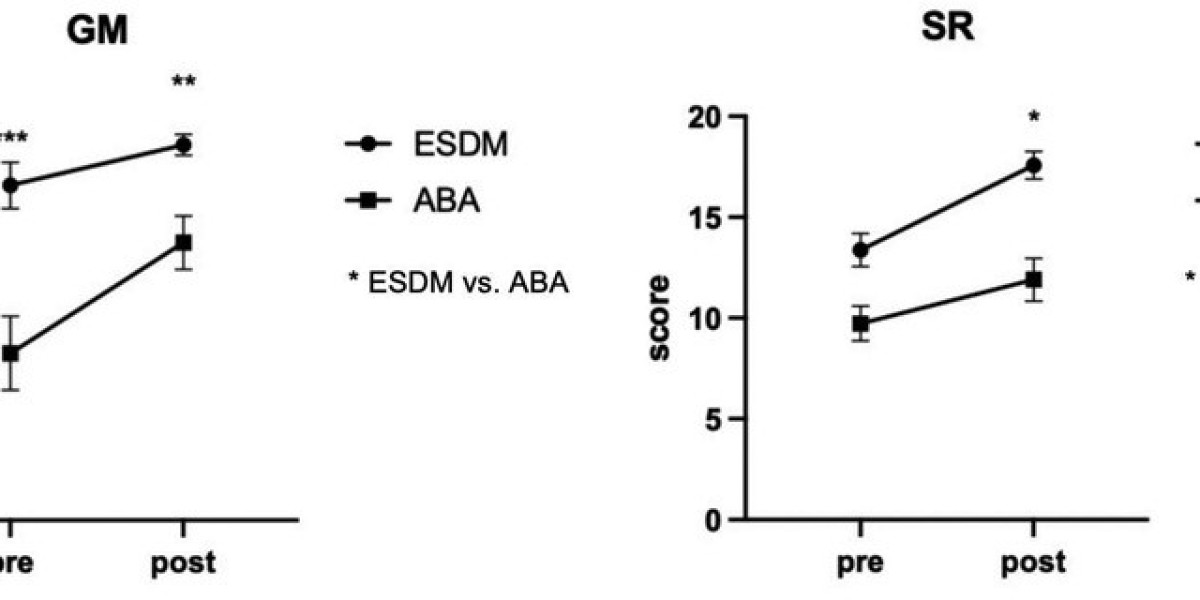
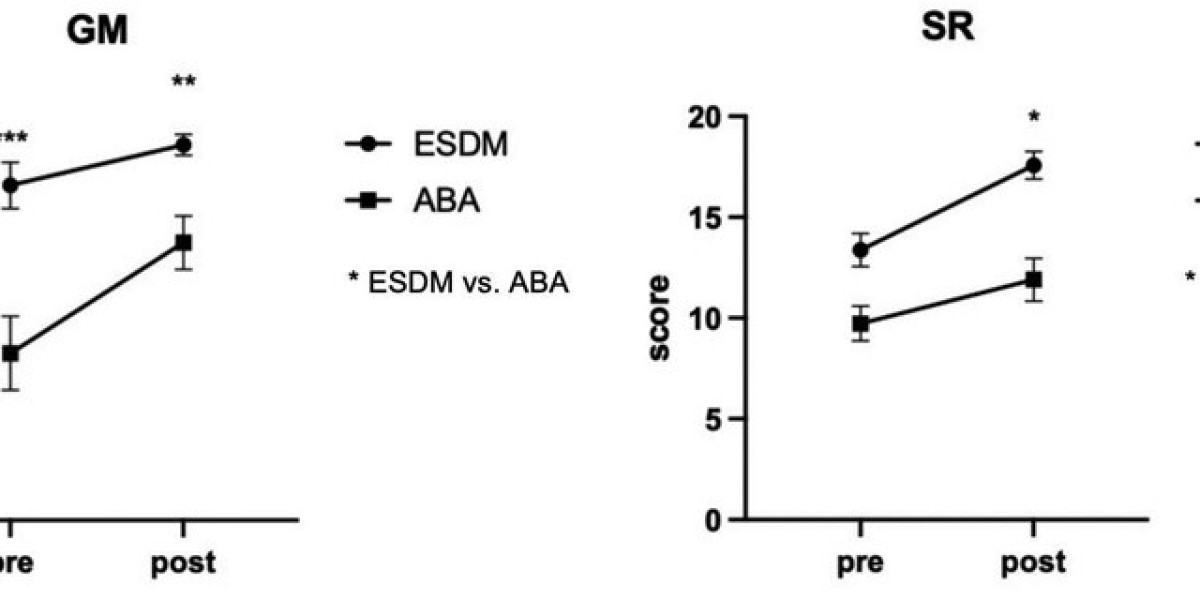
- Broader Evidence-Based Treatments: Beyond ABA, a range of evidence-based treatments can benefit children with autism, including occupational therapy, speech therapy, physical therapy, and, in some cases, pharmacological therapy. Early intervention is key, and appropriate interventions should continue throughout an individual's lifespan. The Early Start Denver Model (ESDM), which emphasizes parent involvement, has shown remarkable results, with children receiving 20 hours of weekly therapy (including 5 hours from parents) demonstrating greater improvements in IQ, adaptive skills, and autism symptoms (Children's Hospital of Philadelphia treatment guide).
Practical Tips for Parents
Here are some actionable steps you can take to leverage these research findings:
- Seek Out Parent Training Programs: Look for workshops, online courses, or support groups that offer training in ABA techniques or other evidence-based interventions. Many organizations and therapists provide specialized programs for parents.
- Collaborate with Therapists: Work closely with your child's therapists to understand their treatment plans and learn how you can reinforce these strategies at home. Ask for specific guidance and resources.
- Prioritize Self-Care: Remember that taking care of yourself is essential for effectively supporting your child. Find ways to manage stress, maintain your well-being, and build a strong support network.
- Advocate for Early Intervention: Early intervention can make a significant difference in your child's development. Advocate for access to early intervention services and therapies in your community.
- Stay Informed: Keep up-to-date on the latest research and best practices in autism treatment. Reputable organizations like the Autism Society of America and the National Clearinghouse on Autism Evidence and Practice offer valuable resources (Evidence-based practices overview).
Empowering parents through knowledge and training is a game-changer in autism therapy. By actively participating in your child's treatment and prioritizing your own well-being, you can create a supportive and nurturing environment that fosters their growth and development. We invite you to share your experiences and connect with other parents in the AutismCare Hub community. Together, we can learn from each other and build a brighter future for our children.