
New Study: How ABA and ESDM Therapies Impact Kids with Autism Over Time
As parents of children with autism, we're always looking for information about what therapies work best. A new study published in Frontiers in Pediatrics (2025) examined how two common interventions, Applied Behavior Analysis (ABA) and the Early Start Denver Model (ESDM), affected children with autism spectrum disorder (ASD) over a longer period.
What the Researchers Studied
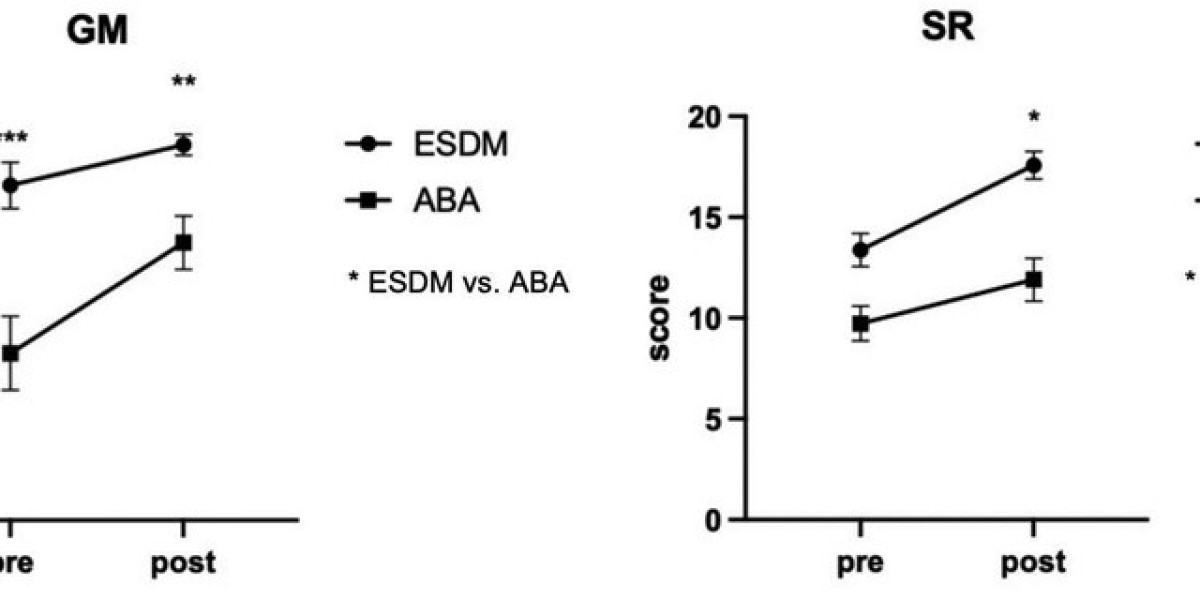
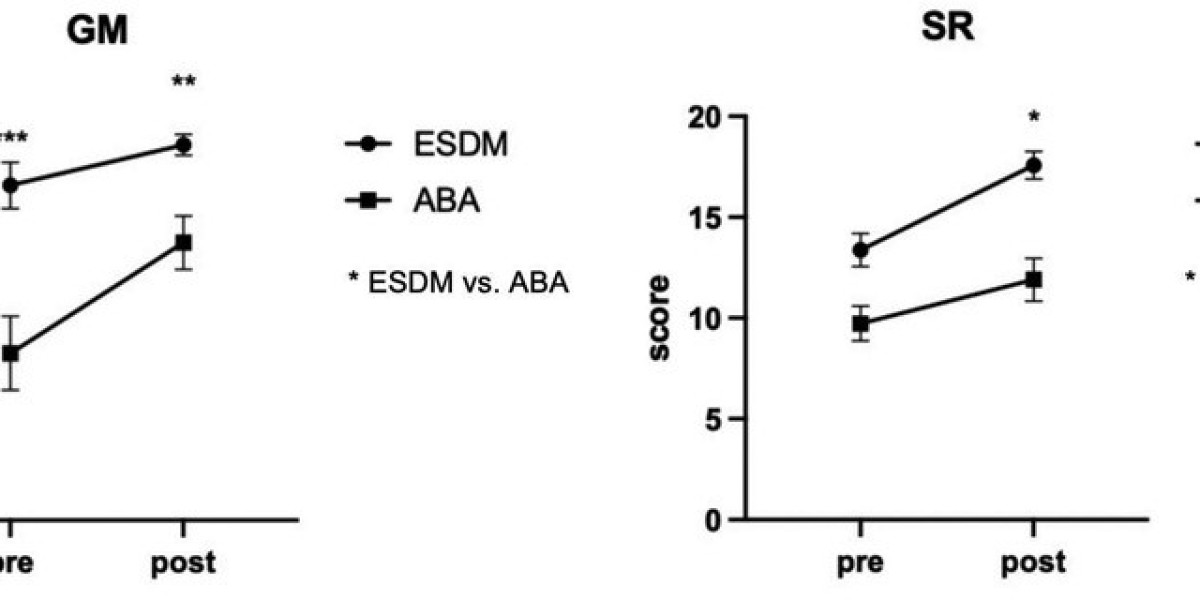
Researchers wanted to understand how children with autism changed over time when receiving either ABA therapy or ESDM intervention. They followed a group of children for several years, regularly assessing their development in areas like communication, social skills, and adaptive behavior (things like self-care and daily living skills). The study compared the progress of children receiving ABA to those receiving ESDM.
What They Found (In Plain Language)
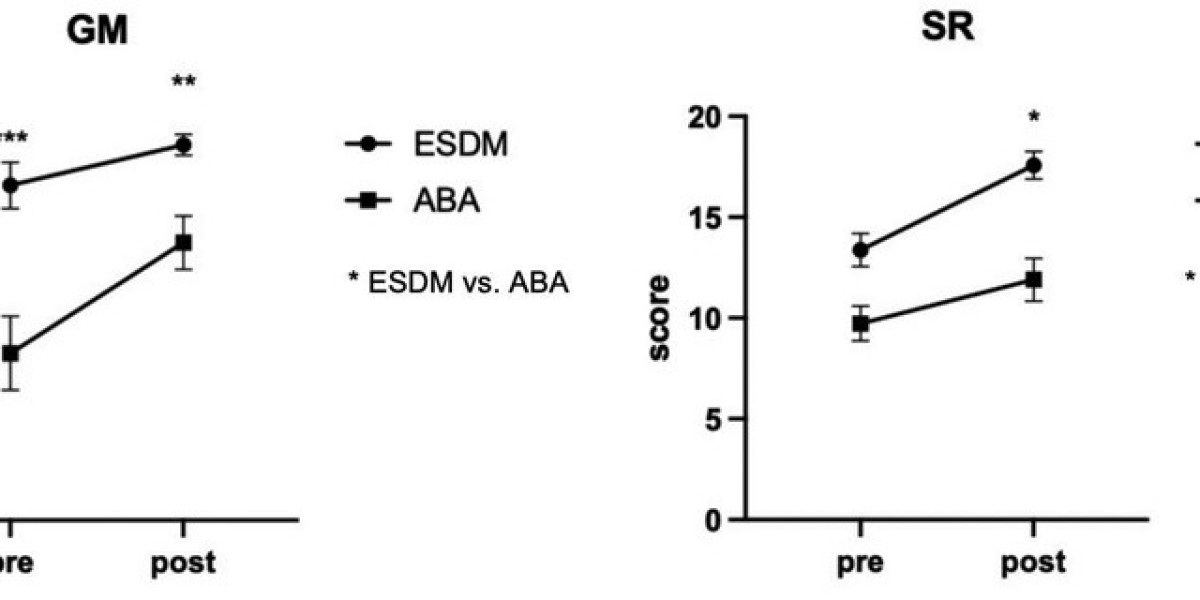
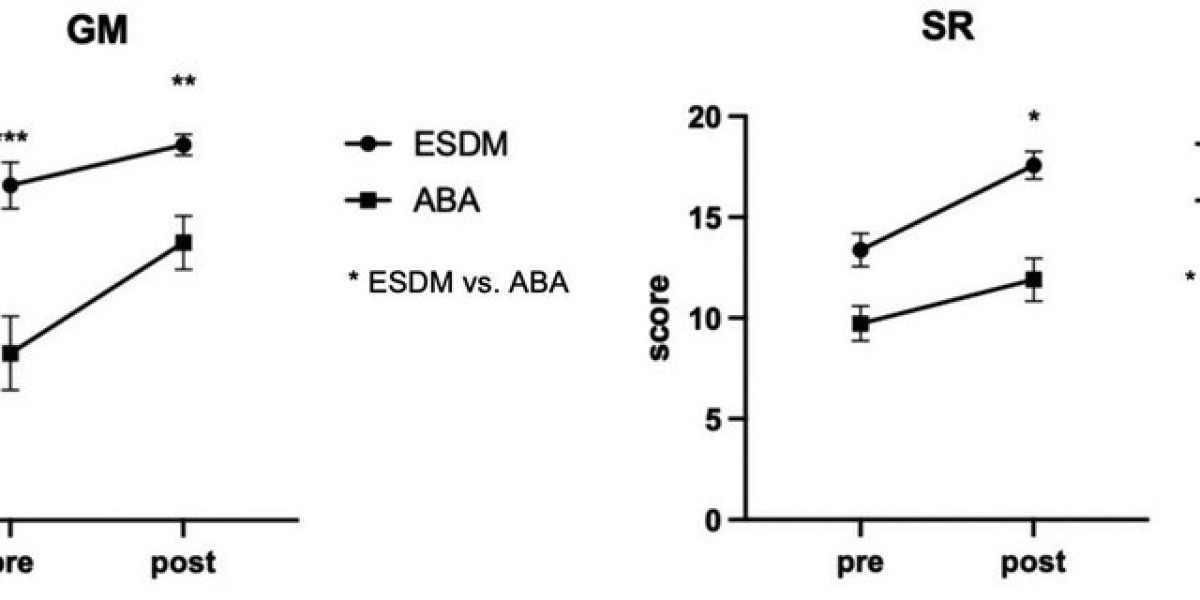
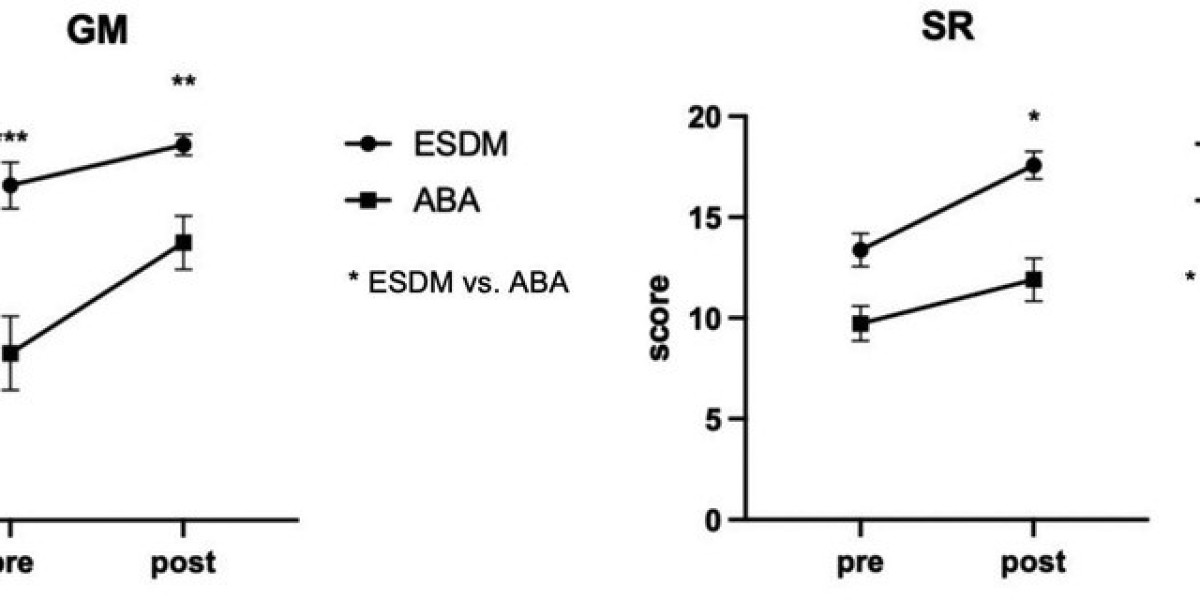
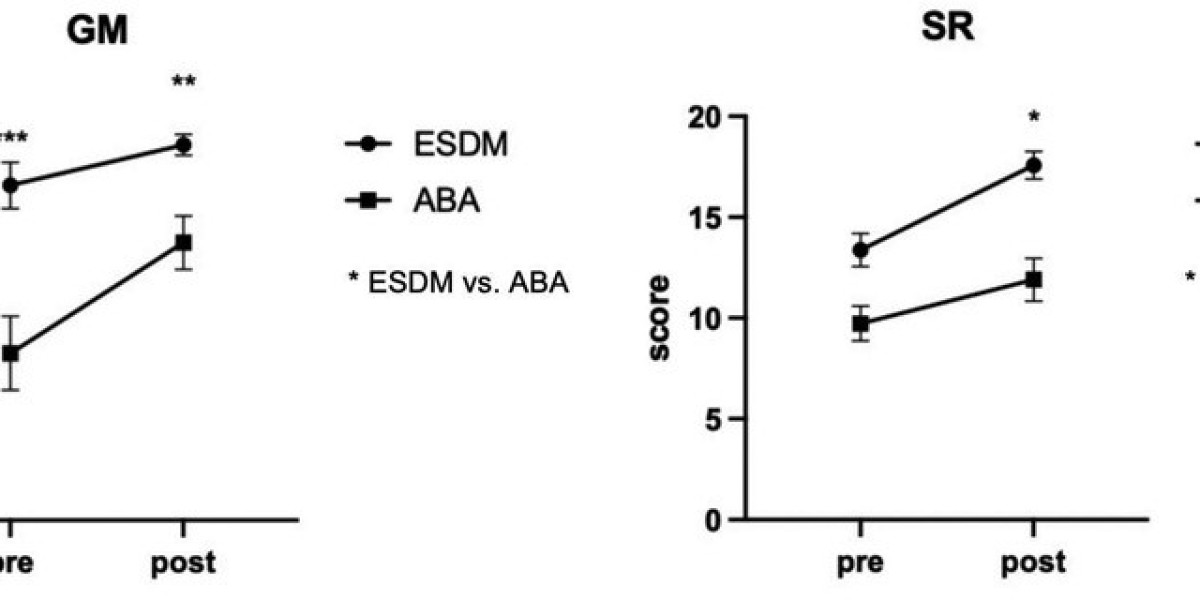
The study found that both ABA and ESDM were associated with positive changes in children with autism over time. Children in both groups showed improvements in their communication and social skills. Importantly, the researchers noted that the *rate* and *type* of progress could differ between the two groups, and also varied a lot between individual children. While both therapies were helpful, the study suggests that some children might benefit more from one approach than the other, depending on their individual needs and strengths. They also found that earlier intervention generally led to better outcomes.
Why This Matters for Autism Families
This research reinforces that early intervention is crucial for children with autism. It also highlights that both ABA and ESDM can be effective therapies. The fact that individual responses varied underscores the importance of finding the right therapy fit for your child, and working closely with therapists to monitor progress and make adjustments as needed.
Practical Implications
- Therapy Decisions: This study can help inform discussions with your child's doctor and therapists about which therapy approach might be most suitable.
- Individualized Approach: Remember that every child is different. What works for one child might not work for another. Regular assessments and open communication with therapists are key.
- Early Intervention: The earlier you start intervention, the better the potential outcomes. Don't delay seeking support and services.
- Advocate for your child: Use information like this to advocate for your child's needs at school and in therapy.
Important Limitations
It's important to remember that this is just one study. While promising, it has limitations. For example, the sample size wasn't huge, meaning the results might not apply to all children with autism. More research is always needed to confirm these findings and explore which factors predict success with different therapies. Also, this study only looked at ABA and ESDM, but there are other therapies that can be helpful for children with autism.
Always talk to your child's doctor and therapists to make informed decisions about their care.
You can read the original research paper here: Longitudinal changes in children with autism spectrum disorder following ABA therapy or ESDM intervention
Read the study: Frontiers in Pediatrics