
New Study: How ABA and ESDM Therapies Impact Kids with Autism Over Time
As parents of children with autism, we're always looking for information about what therapies might help our kids thrive. A new study published in Frontiers in Pediatrics (2025) investigated how two common therapies, Applied Behavior Analysis (ABA) and the Early Start Denver Model (ESDM), affect children with autism over a longer period.
What the Researchers Studied
Researchers wanted to understand how children with autism change over time after receiving either ABA or ESDM therapy. They followed a group of children who had been diagnosed with autism and started either ABA or ESDM. They looked at several things, including:
- Adaptive behavior: This refers to everyday skills like getting dressed, eating, and interacting with others.
- Language skills: How well the children could understand and use language.
- Social skills: How well the children interacted with others and understood social cues.
What They Found
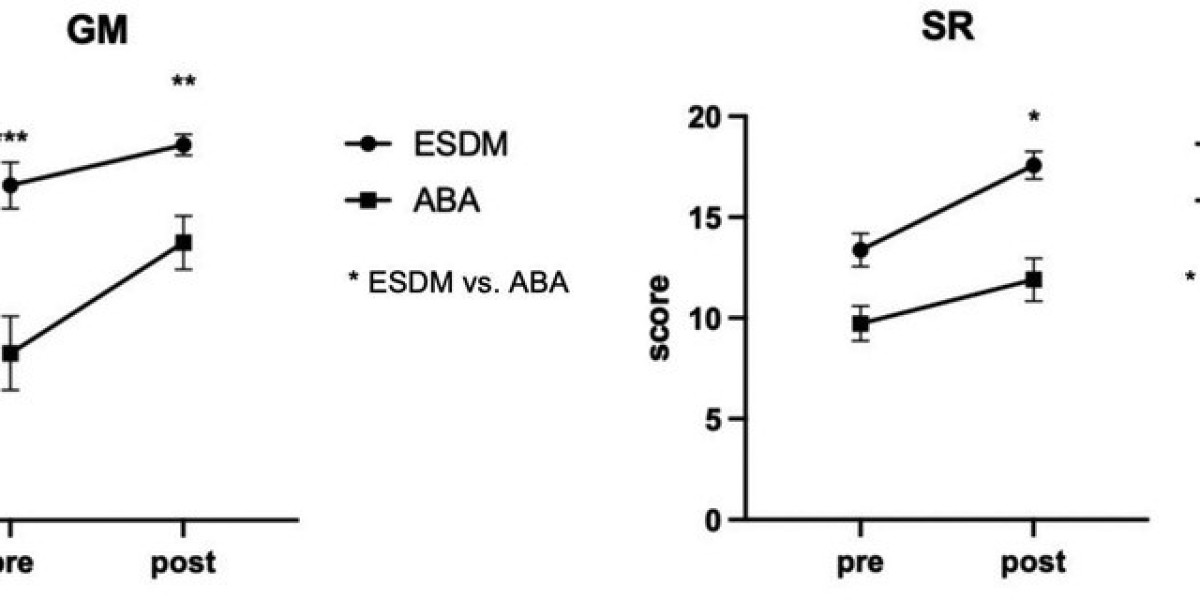
The study found that, on average, children in both the ABA and ESDM groups showed improvements in adaptive behavior, language skills, and social skills over the course of the study. The researchers observed that both therapies appeared to support positive developmental trajectories for the children involved. Importantly, the study didn't find significant differences in outcomes between the two therapy groups. This suggests that both ABA and ESDM can be effective interventions for children with autism.
Why This Matters for Autism Families
This study is encouraging because it reinforces that early intervention can make a real difference in the lives of children with autism. Knowing that both ABA and ESDM can lead to improvements gives parents more options and can help them feel more confident in choosing a therapy approach that best fits their child's needs and their family's values.
Practical Implications
So, what does this mean for you?
- Therapy Decisions: This study supports the idea that both ABA and ESDM are valuable interventions. When considering therapy options, think about your child's individual needs, your family's preferences, and the availability of qualified therapists in your area.
- Collaboration with Therapists: Regardless of which therapy you choose, open communication with your child's therapists is essential. Discuss your goals, track progress, and adjust the therapy plan as needed.
- Individualized Approach: Remember that every child is different. What works well for one child may not work as well for another. It's important to work with professionals to create a therapy plan that is tailored to your child's specific strengths and challenges.
Important Considerations
It's important to remember that this is just one study, and like all research, it has limitations. For example, the study involved a specific group of children, and the results may not be generalizable to all children with autism. Also, more research is always needed to understand the long-term effects of these therapies and to identify which children are most likely to benefit from each approach. Also, while the study found no significant difference, that doesn't mean there were no differences, just that the study couldn't definitively prove one was better than the other.
Want to Learn More?
You can read the original research paper here: Longitudinal changes in children with autism spectrum disorder following ABA therapy or ESDM intervention
Read the study: Frontiers in Pediatrics