
New Study: How ABA and ESDM Therapies Impact Kids with Autism Over Time
As parents of children with autism, we're always looking for information about what works. A new study published in Frontiers in Pediatrics (2025) investigated how two common therapies, Applied Behavior Analysis (ABA) and the Early Start Denver Model (ESDM), affect kids with autism over a longer period.
What the Researchers Studied
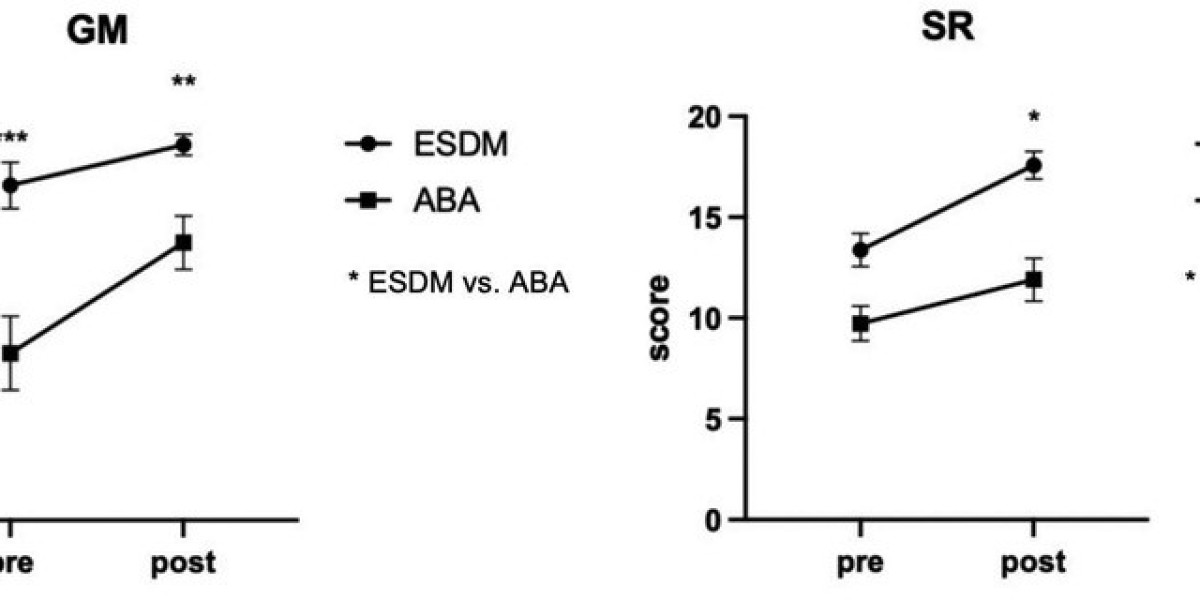
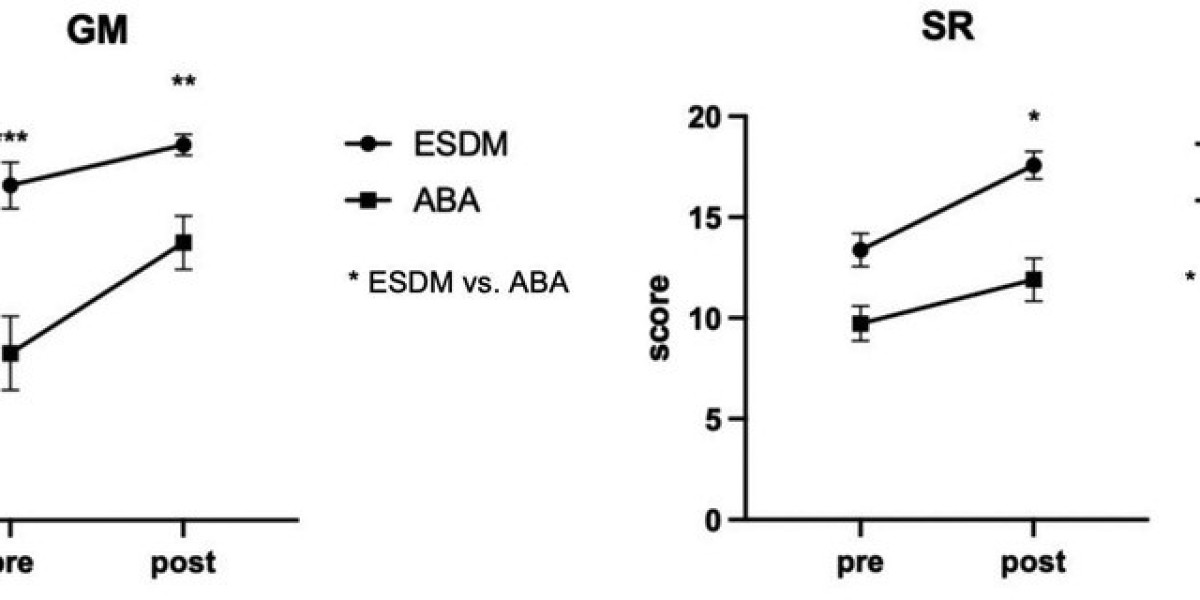
Researchers wanted to understand how children with autism changed over time after receiving either ABA or ESDM therapy. They followed a group of children for several years, tracking their progress in areas like:
- Language skills
- Social interaction
- Adaptive behavior (like daily living skills)
The study compared the progress of children receiving ABA to those receiving ESDM to see if there were noticeable differences in how they developed over time.
What They Found (In Plain Language)
The study found that both ABA and ESDM were associated with positive changes in children with autism over the years. Specifically:
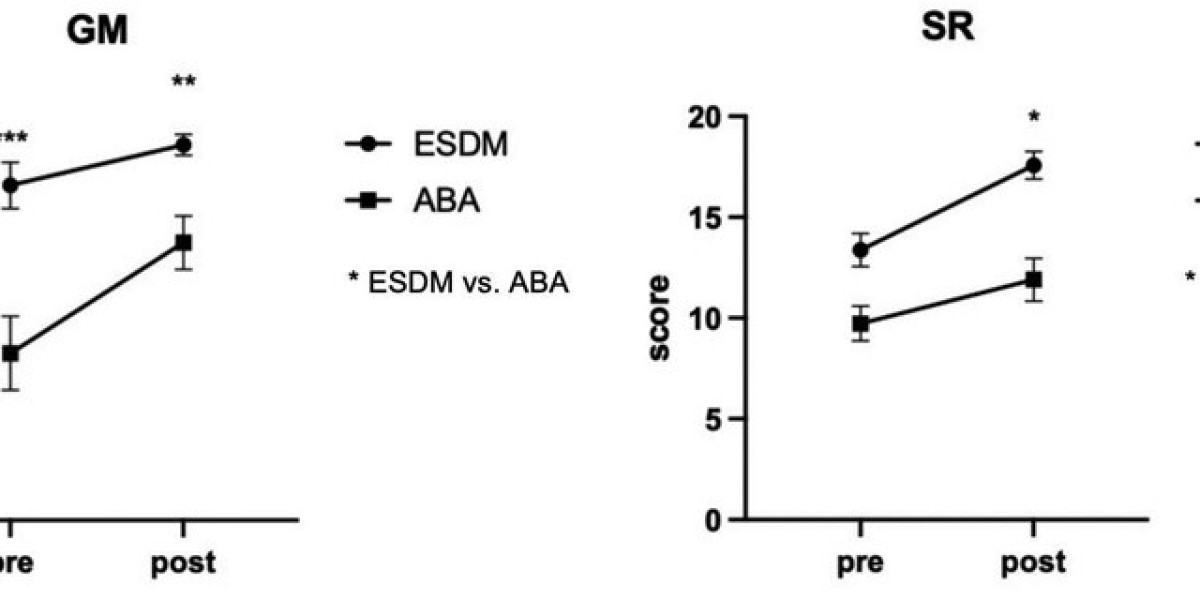
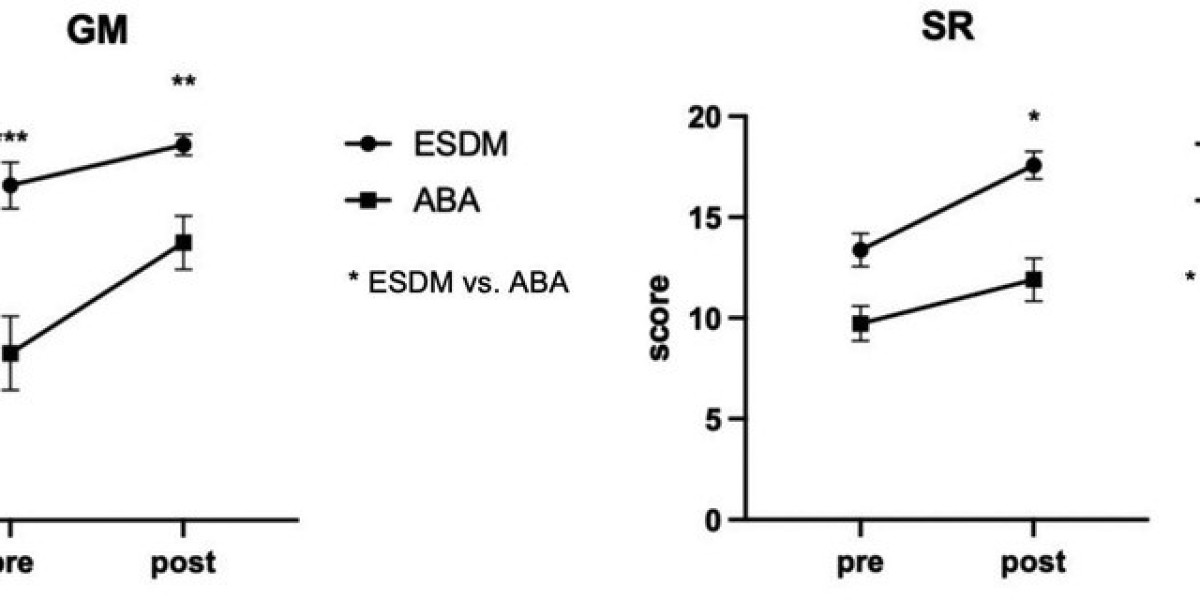
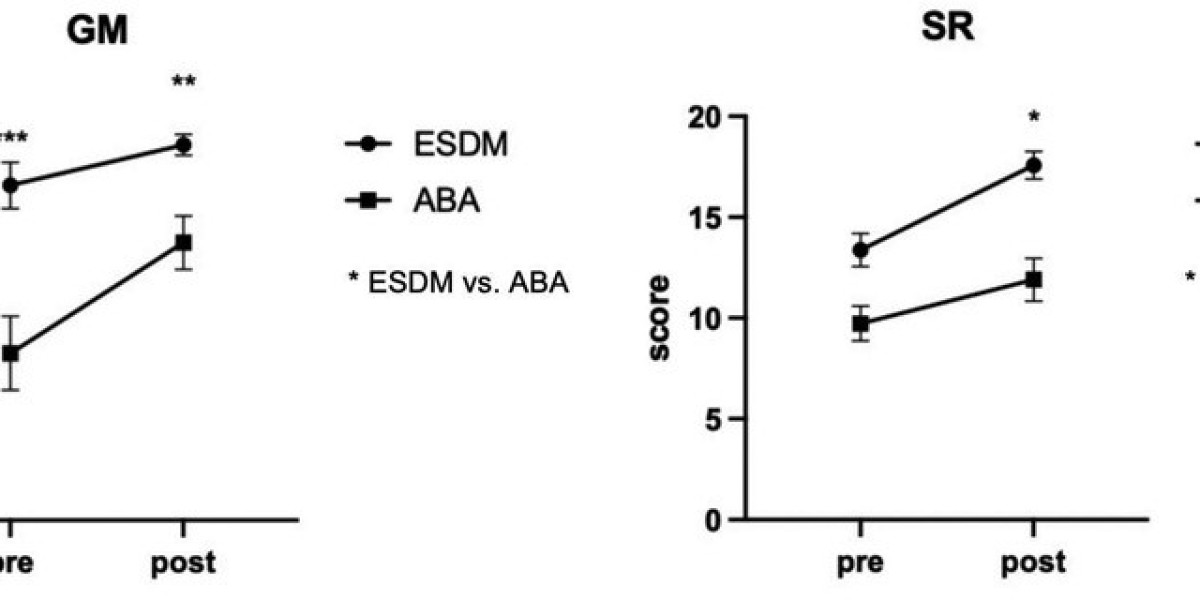
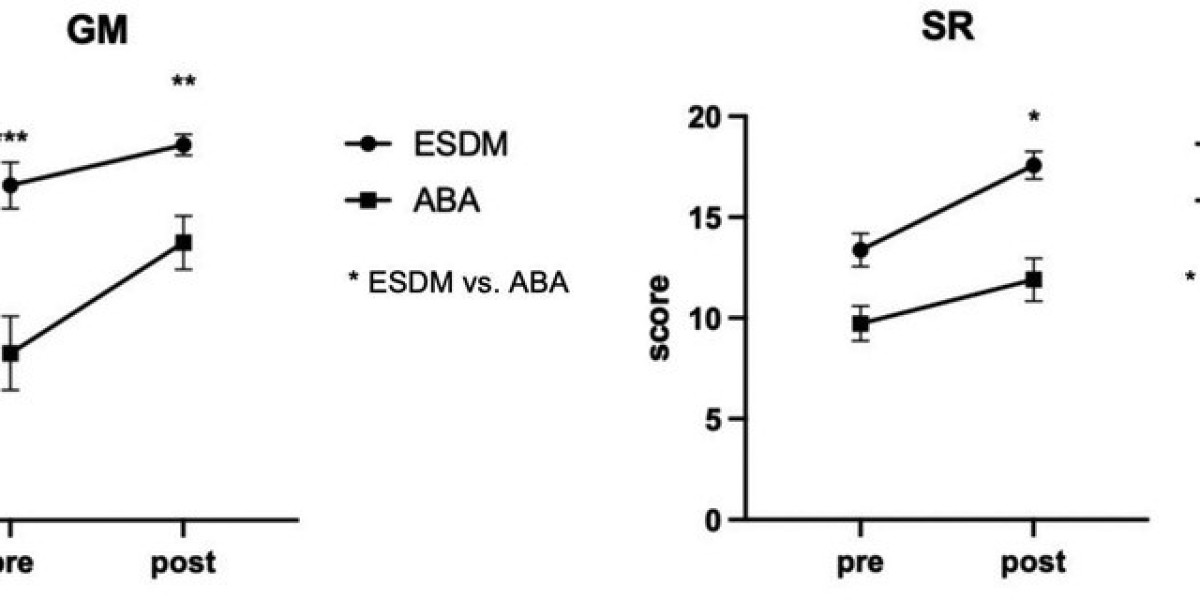
- Children in both groups showed improvements in language and social skills.
- Both therapies appeared to help children develop better adaptive behaviors.
- The researchers noted that the amount of therapy received seemed to play a role in the level of progress. Kids who received more hours of therapy tended to show greater gains.
- Interestingly, the study didn't find significant differences in outcomes between the ABA and ESDM groups. This suggests that both therapies can be effective ways to support development.
Why This Matters for Autism Families
This study is encouraging because it provides more evidence that early intervention can make a real difference in the lives of children with autism. It also suggests that both ABA and ESDM can be valuable tools, offering families choices in selecting a therapy approach that best fits their child's needs and their family's values.
Practical Implications
What does this mean for you? Here are a few takeaways:
- Therapy Works: This study reinforces the importance of seeking early intervention for your child.
- Consider Your Options: ABA and ESDM are both evidence-based therapies. Talk to professionals to determine which approach might be the best fit for your child.
- Intensity Matters: The study suggests that the amount of therapy can impact progress. Discuss therapy intensity with your child's therapists.
- Individualized Approach: Remember that every child is different. What works for one child may not work for another. Closely monitor your child's progress and adjust the therapy approach as needed.
Important Limitations
It's important to keep in mind that this is just one study, and it has some limitations:
- Sample Size: The study involved a limited number of participants, so the findings may not be generalizable to all children with autism.
- Further Research: More research is needed to understand the long-term effects of these therapies and to identify which children are most likely to benefit from each approach.
Don't make any major decisions based on this one study alone. Always consult with qualified professionals for personalized advice.
Want to Learn More?
You can read the original research paper here: Longitudinal changes in children with autism spectrum disorder following ABA therapy or ESDM intervention
Read the study: Frontiers in Pediatrics